Problem with Washing Machine: Urgent Troubleshooting Guide
Facing a problem with washing machine? This urgent troubleshooting guide walks you through safe checks, common causes, a diagnostic flow, and step-by-step fixes to get laundry day back on track.


Most often, a problem with washing machine starts with a simple power or drainage issue. Check the outlet, plug, and power switch first, then inspect hoses and the pump for clogs. If the drum won’t spin or water won’t drain after basic checks, follow the diagnostic flow below. For persistent problems, consider seeking professional help—safety matters with electrical and mechanical faults.
Why a problem with washing machine happens
A problem with washing machine performance is commonly caused by a few repeatable issues rather than mysterious faults. According to Best Washing Machine, the vast majority of calls fall into solvable categories: power supply problems, door interlock failures, clogged drainage, or simple control glitches. When you hear a humming noise without movement, or if the display shows an error code you don’t recognize, you’re likely dealing with one of these root causes. Understanding these roots helps you triage quickly and safely, reducing downtime and preventing unnecessary part replacements. By approaching the problem with a methodical mindset, you can separate what’s urgent from what’s routine, and decide when to escalate to professional service. The goal is to restore normal operation while protecting your home from water or electrical hazards. Remember: never overlook leaks or signs of overheating, which require immediate attention.
Quick checks you can do safely
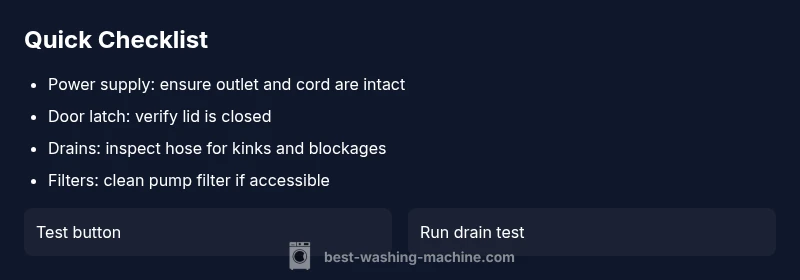
Before opening panels or touching internal components, perform these quick checks to rule out obvious and easy fixes. Start with the simplest steps first, and only move to more invasive checks if you’re comfortable. Always unplug the machine before touching any electrical parts. Check the power outlet with a known-working device to ensure the circuit isn’t tripped or dead. Inspect the power cord for cracks or scorch marks and verify the plug is firmly seated. Confirm the door or lid is fully closed and the latch engages; a misaligned interlock can prevent the drum from spinning or starting a cycle. Inspect hoses for kinks, crimps, or disconnections, and ensure the drain hose is positioned correctly to prevent siphoning. If you see a visible leak, stop the cycle and address it before proceeding. These basic steps cover the vast majority of “not starting,” “not draining,” or “not spinning” issues, and they are a great first line of defense for homeowners, renters, and even small laundromats.
How to test the drainage system and pump
Drainage problems are a very common reason a washer refuses to complete a cycle. Start by checking the pump filter (if your model has one) and clean out any lint, coins, or debris that block the flow. Locate the drain hose and make sure there are no kinks or clogs that could force water back into the drum. If your model has a conduit or trap, clear it of obstructions. After cleaning, run a short rinse cycle with no clothes to observe whether water is draining properly and whether the pump remains quiet. If you still hear a hum but no drain, the pump may be stalled or worn, and you should consider professional service. Regular drain maintenance helps prevent persistent clogs that cause long-term damage.
Common culprits and how to test each one
There are several frequent culprits behind a problem with washing machine. A power issue (dead outlet, tripped breaker, or faulty cord) tops the list, followed by a faulty door latch or lid switch, which prevents the machine from starting or spinning. Blocked drainage, a clogged pump, or a kinked hose is another frequent factor, especially in households with long hose runs or hard water. Error codes on the control panel point you toward the right subsystem, whether it’s the motor, the timer, or the electronic control. Testing each area with a simple checklist saves you time and helps you avoid unnecessary parts replacement. If you can’t identify the root cause after these checks, you should perform the diagnostic flow step by step to narrow down the issue.
When to escalate to the diagnostic flow and professional help
If basic checks don’t restore function, it’s time to escalate. A persistent failure to start, an unusual burning smell, persistent leaks, or new loud noises are red flags that warrant professional evaluation. Also, if you’re uncomfortable working with electrical components or you notice scorched plastic or melted insulation, stop immediately and contact a certified technician. Following a formal diagnostic flow reduces guesswork and speeds up accurate repair, especially for complex electronics or motor issues. The goal is safety first—electrical faults can pose serious risks to you and your home.
Maintenance tips to prevent future problems
Prevention is the best medicine when it comes to washing machines. Regularly clean the detergent drawer and door seal to prevent residue buildup that can cause odor or mold. Run an empty hot-water rinse cycle every couple of months to clear soap scum and mineral deposits, especially in hard-water areas. Do not overload the drum; distribute clothes evenly and use the correct detergent type in the right amount. Routinely inspect hoses and connections for wear or cracks, and replace aging hoses every five years or sooner if you notice bulging or leaks. Finally, keep the machine level to reduce vibrations and wear on the bearings. Small proactive habits add up to longer appliance life and fewer trips to the repair shop.
Steps
Estimated time: 30-45 minutes
- 1
Check power and outlet
Unplug the machine and inspect the cord for any damage. Test the outlet with a simple lamp or charger to confirm it supplies power. If the outlet is fine, check the circuit breaker and GFCI protection to ensure the circuit is not tripped.
Tip: Always unplug before handling electrical components to avoid shock. - 2
Inspect door latch and lid switch
Close the door firmly and listen for the latch engaging. If the machine still doesn’t respond, test the lid switch with a multimeter or by shorting the switch (only if you know how to do this safely). Replace damaged switches promptly.
Tip: A faulty interlock is a common but easily overlooked cause of non-start issues. - 3
Check water supply and hoses
Confirm both hot and cold water taps are fully open and connected hoses are not kinked. Inspect hose ends for leaks and ensure the intake screens aren’t clogged with sediment.
Tip: Water supply issues can mimic power problems; don’t assume the unit is dead without verifying valves. - 4
Test drain system and pump
Inspect the drain hose for kinks and ensure it isn’t inserted too far into the standpipe. Access the pump filter if present and remove any debris. Run a drain cycle to observe if water is pumped out properly.
Tip: A clogged pump is a frequent cause of not draining and not spinning. - 5
Read error codes and reset
If the display shows an error code, consult the manual for the meaning and recommended reset steps. Some models require a soft reset or a specific button sequence to clear codes.
Tip: Document any codes you see so you can reference them with a technician. - 6
Run a controlled test cycle
After performing checks, run a short empty wash cycle using the default settings. Observe the drum movement, noise level, and drainage. Stop the test if you notice burning smells or unusual vibrations.
Tip: Only run cycles you’re comfortable with; never run a test that could cause overflow or leaks. - 7
Evaluate the control panel and motor
If the machine still misbehaves, the issue may be a faulty control board or motor. This usually requires a professional diagnostic using model-specific diagnostics, especially for high-end units.
Tip: Do not attempt to disassemble the control panel without proper training. - 8
Decision point: repair or replace
If multiple subsystems fail or the cost of repair nears or exceeds the appliance’s value, consider replacement. Compare long-term energy efficiency and warranty terms when deciding.
Tip: Factor in remaining lifespan and energy use when weighing whether to repair.
Diagnosis: Machine won't start, not spinning, or not draining
Possible Causes
- highPower issue (outlet, cord, or breaker)
- mediumDoor/lid switch or interlock failure
- mediumClogged drain pump or hose
- lowControl board or timer fault
Fixes
- easyTest the outlet with a known-working device; reset any tripped breakers or GFCI outlets.
- easyInspect the power cord and plug for damage; reseat or replace as needed.
- easyCheck the door latch and ensure the door closes fully; replace the switch if it’s loose or faulty.
- easyRemove foreign objects from the pump filter and drain hose; clear blockages and re-test.
- mediumIf error codes appear, consult the user manual or call a technician to diagnose the control board.
FAQ
Why won’t my washing machine start?
Most start failures are due to power, door latch, or control panel issues. Check the outlet, plug, and door latch first. If these basics don’t fix it, proceed with the diagnostic flow to isolate the problem.
Most start failures come from power, door latch, or control panel issues. Check power and door latch first, then follow the diagnostic flow if needed.
Why is my washer not draining water?
Not draining is usually caused by a blocked pump, kinked drain hose, or clogged filter. Clear blockages, reset, and run a drain cycle to verify. If water still remains, the pump or control may need professional attention.
Not draining is usually a clogged pump or hose. Clear blockages and test again; seek help if it persists.
What should I do if I smell burning from the washer?
A burning smell indicates electrical or motor issues. Stop the machine immediately, unplug it, and do not operate until a professional inspects the unit. This protects you from fire hazards.
If you smell burning, stop and unplug the washer, then call a technician to check for electrical or motor problems.
When should I call a professional for a problem with washing machine?
Call a professional if you encounter electrical smells, leaks that won’t stop, or a fault you can’t diagnose with basic checks. Complex electronics or motor issues usually require specialized tools and safe handling.
Call a pro if you smell electrical issues or have persistent leaks or complex electronics faults.
How can I prevent future problems with washing machines?
Preventive maintenance includes regular cleaning, avoiding overloading, using the correct detergent, and inspecting hoses for wear. Schedule routine checks of gaskets and filters to catch issues before they escalate.
Clean regularly, don’t overload, and inspect hoses to prevent future problems.
Watch Video
The Essentials
- Start with power and drainage checks.
- Unplug before any inspection and handle wiring safely.
- Use the diagnostic flow for deeper issues if basics fail.
- Regular maintenance reduces future break downs.