Washing Machine Drain: Before or After the Trap?
Learn whether a washing machine drain should connect before or after the trap, plus setup steps, code considerations, and maintenance tips to prevent leaks and sewer odors in your laundry area.


To ensure safe, effective drainage, position the washer drain so the standpipe and trap are arranged with the trap downstream from the standpipe. The washer drains into the standpipe, then into the trap before joining the main drain. Key requirements include a proper standpipe height, correct trap size, and venting per local codes.
Why the trap position matters
The arrangement of the washer drain, standpipe, and trap is a fundamental part of a safe, odor-free laundry area. When the trap sits downstream from the standpipe, wastewater passes through the standpipe first, then through the trap before entering the main drain. This layout minimizes the chance that sewer gases can travel back through the washer hose and helps maintain proper venting and flow. In addition, a correctly placed trap catches solids and reduces the chance of clogs forming in the main drain. According to Best Washing Machine, a well-planned drainage setup reduces maintenance and protects your family’s indoor air quality. Always verify standpipe height, trap size, and venting requirements for your locale.
In any installation, the objective is a straightforward path: water goes from the washer into a standpipe, then through a trap, and finally to the building drain. Deviations from this standard can create siphoning, odors, or backflow. The goal is reliability, not complexity, so start with a clean, accessible trap location and plan your piping with code requirements in mind.
How the washer drainage path typically looks
Most homes with a dedicated washer drain use a vertical standpipe connected to a P-trap, which then connects to the building drain. The washer drain hose enters the standpipe near its top; water flows down, through the trap, and out to the waste line. The trap's purpose is to hold a small amount of water, creating a gas seal that blocks sewer odors. When the trap is upstream of the standpipe, air or gases can bypass the standpipe and travel back toward the washer—this is undesirable. The typical codes specify standpipe height, trap size, and venting. If your laundry area has a compact or combined drainage setup, you may need to adapt with an elbow and horizontal branch, but the general principle remains: do not place the trap before the standpipe. For most installations, leaving the trap downstream of the standpipe provides a safer, more reliable drain path.
The phrase you’ll hear most in instruction manuals is to keep a clean, continuous path for wastewater. If you notice damp spots around the trap or a persistent odor, the problem is rarely the washer itself but the drain configuration.
Step-by-step overview (conceptual layout)
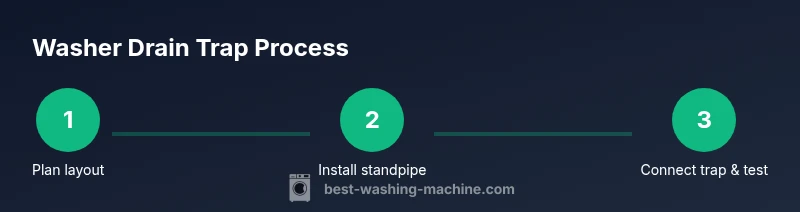
Placing the drain correctly starts with understanding the layout. A standpipe rises from the laundry floor or wall and leads directly to a P-trap that connects to the home’s main drain. The washer drain hose should terminate inside the standpipe, not in a dry, unsealed cavity. Proper venting is essential to prevent siphoning and to maintain a smooth flow. Below is a quick concept of how the components relate to each other: standpipe above the trap, trap below, and venting to the house line. Remember, the key principle is that the trap should be downstream of the standpipe to maintain a gas seal and to prevent backflow. The goal is a code-compliant, maintenance-friendly setup.
Detailed configuration: washer before vs after trap
-
Washer before trap (upstream): This configuration places the trap downstream of the overall drain path, which is the standard and recommended setup. Water flows from the washer into the standpipe, then into the trap, and from there to the main drain. This arrangement minimizes sewer gas risk and helps trap debris early, reducing clogs further down the line.
-
Washer after trap (upstream): Some unconventional layouts attempt to place the trap closer to the washer or before the standpipe. This can compromise venting, increase siphoning risk, and allow sewer gases to seep back toward the washer. It also makes cleaning and maintenance more difficult. In most jurisdictions, this is not permitted or is considered a code violation. If you already have an upstream trap or think your space forces this arrangement, consult a licensed plumber and check local code.
Common code and venting considerations
Codes vary by region, but the core requirements typically cover standpipe height, trap size, venting, and access for cleaning. A typical standpipe height falls within a range that accommodates the washer’s discharge speed while preventing overflow. A properly installed vent prevents siphoning from the trap during heavy water flow. If your area requires a cleanout or special fittings, ensure you’ve included them in your plan. The presence of a vent is the difference between a gurgling sound and a smooth discharge. For homeowners, this is where local building codes and inspections matter most, so verify your plan against your jurisdiction’s plumbing code. Best Washing Machine analysis shows that following standard trap placement guidelines reduces maintenance and improves reliability.
Troubleshooting common installation mistakes
Common mistakes include placing the trap too far from the standpipe, using an undersized trap, or neglecting venting. Another frequent error is a standpipe that’s too short or too tall, which can cause splashing or poor drainage. Tightening connections without proper sealant or thread tape can lead to leaks. Make sure all joints use appropriate sealants or tapes according to code. In addition, avoid using the washer drain as a general purpose sink drain; it should not be connected to a horizontal 90-degree elbow without a proper standpipe. If you notice slow drainage or repeated clogs, revisit the trap’s position and venting first before replacing components.
Maintenance and testing tips
Regular inspection of the drain line, trap, and standpipe is valuable. Look for signs of wetness around joints, musty odors, or standing water in the trap. A clean trap is essential; if you have a trap that’s difficult to access, consider installing a cleanout. Periodically run a test wash and observe the flow—watch for any backflow, siphoning, or gurgling sounds. Maintenance is easier when you document the layout with photos during the initial installation. Best Washing Machine’s practical guide emphasizes keeping the trap downstream of the standpipe as part of a reliable, low-maintenance laundry drainage system.
When to call a licensed plumber
If you’re unsure about the trap location, venting, or the required pipe sizes for your home, don’t guess. A licensed plumber can verify code compliance, ensure proper venting, and adjust the system to avoid leaks and odors. This is especially important in older homes with repurposed spaces where existing plumbing may not conform to modern standards. A professional assessment saves time and reduces the risk of costly fixes later.
Quick test and verification steps
After completing the installation, perform a controlled test: run a short wash cycle with towels in the drum to simulate a load. Observe for leaks, verify that water rises to the expected standpipe height without overflowing, and listen for vent-related gurgling. Check the area around the standpipe and trap for moisture or odors over the next 24 hours. If you detect any smell or dripping, recheck connections and sealant usage.
Tools & Materials
- Bucket(To catch drips and hold screws during installation)
- Towels or rags(For quick cleanups and drying around joints)
- Adjustable wrench(For hose clamps and fittings)
- Pipe wrench(Helpful for stubborn metal pipes)
- Plumber’s tape (Teflon)(Seal threaded connections)
- Silicone sealant(Optional for extra sealing at joints)
- Measuring tape(Check standpipe height and trap fit)
- Replacement trap and standpipe components(If upgrading or replacing existing parts)
Steps
Estimated time: 1-3 hours
- 1
Assess the current layout
Identify where your standpipe, trap, and main drain connect. Measure clearances and take photos for reference. Confirm that the intended trap location will be downstream of the standpipe.
Tip: Take before-and-after photos to verify you’ve maintained the proper sequence. - 2
Determine standpipe height and trap sizing
Measure the available vertical space and select a standpipe height compatible with your washer’s discharge and local codes. Choose a trap size that matches the pipe diameter and maintains a watertight seal.
Tip: Use a level to ensure the standpipe is plumb for smooth drainage. - 3
Plan placement with trap downstream
Mark the standpipe and trap locations on the wall or floor, ensuring the trap sits immediately downstream of the standpipe. Ensure easy access for cleaning and venting clearance where required.
Tip: Leave at least a few inches of vertical clearance for the trap cover and any cleanout access. - 4
Install or adjust standpipe and trap
Secure the standpipe, connect the trap, and ensure there is a proper slope toward the main drain. Use pipe joint compound or tape where appropriate and seal joints to prevent leaks.
Tip: Do not overtighten fittings; this can crack plastic components or damage threads. - 5
Connect the washer drain hose properly
Insert the washer’s drain hose into the top of the standpipe or into a proper standpipe inlet. Avoid kinks or pushing the hose too far down, which can impede flow and cause backpressure.
Tip: Use a hose guard or clamp to prevent the hose from slipping out during cycles. - 6
Test the system and verify venting
Run a test wash and observe for leaks, proper drainage, and venting behavior. Look for slow draining, gurgling, or odors that indicate venting or trap problems.
Tip: If you hear gurgling, it may indicate poor venting; consider adding or adjusting the vent according to code.
FAQ
Should the washer drain be before or after the trap?
The drain should feed into a standpipe that leads to the trap downstream; this is the standard arrangement. Upstream traps can cause venting and odor issues.
The washer drain should go into the standpipe, then through the trap to the main drain.
Is a vent required for a washer drain?
Yes, most codes require venting to prevent siphoning and to maintain proper drainage. Check your local code for specifics.
Yes, venting is usually required.
What height should the standpipe be?
A common guidance range is around 18-30 inches from the floor, but verify with local codes and the washer model requirements.
Standpipe height is typically 18 to 30 inches, depending on local rules.
Can I relocate the trap if the washer is already installed?
Relocation depends on existing piping and code rules. It often requires a licensed plumber to avoid code violations and leaks.
Modifications should follow code; a pro is best for relocation.
What are signs of a wrong trap layout?
Odors, gurgling sounds, slow drainage, or frequent clogs are common indicators of a misconfigured trap or vent.
Odors and gurgling can signal vent/trap problems.
When should I call a plumber?
If you’re unsure about venting, trap sizing, or local code obligations, a licensed plumber should assess and correct the setup.
Call a pro if you’re unsure about code or venting.
Watch Video
The Essentials
- Place the trap downstream of the standpipe.
- Verify standpipe height meets local code and fits your washer.
- Ensure proper venting to prevent siphoning.
- Test the system for leaks and odors after installation.
- Consult a licensed plumber for complex layouts or code questions.