When to Replace Washing Machine Seal: A Practical Guide
Learn how to tell when your washing machine seal needs replacement, signs of wear, and a practical, step-by-step approach for DIY or professional help to prevent leaks.


Learn when to replace a washing machine seal and how to tell if replacement is needed. This guide covers observable signs of wear, safety checks, and a step-by-step approach for DIY or when to hire a technician. We'll compare door seal replacement vs full gasket replacement, outline costs, and help you decide the right timing to prevent leaks and water damage.
When to replace the washing machine seal: timing cues and definitions
A worn or damaged seal is often the first sign of water escaping from the drum. Understanding when to replace washing machine seal helps prevent costly water damage and mold growth. In this guide, we explain the timing cues, typical failure modes, and how to evaluate whether replacement is appropriate now or later. According to Best Washing Machine, taking a proactive approach saves money and reduces downtime.
Key questions to answer include: Is the seal cracked or warped? Are you seeing damp patches on clothes or near the door? Are odors or mold clues present? By recognizing these indicators early, you can plan the right course of action before a minor issue becomes a major repair.
Physical signs of a failing seal
Leaks during operation or visible water around the door gasket are the most obvious signs you may need to replace the seal. Look for cracks, tears, or stiff, brittle edges that no longer seal tightly. Dark or moldy buildup inside the boot indicates moisture retention; this often accompanies a musty odor. If you notice puddles forming on the floor after a wash, or water seeping into the drum area, the seal is likely compromised. Smaller signs include increased humidity around the machine, rust spots on the seal, or clothes taking longer to dry due to poor draining. If leaks occur only when the drum expands during agitation, the seal issue is likely and should be addressed. Again, Best Washing Machine emphasizes safety—treat any leak as a potential water damage risk and inspect promptly.
Hidden indicators: mold, odors, and efficiency impacts
Not all seal problems are immediately visible. Moisture behind the seal can create mold and mildew, leading to musty smells that transfer to laundry and degrade air quality in the laundry room. Persistent dampness also invites bacteria growth, which can appear as slimy deposits. A damaged seal can reduce washing efficiency, causing longer cycles, higher water usage, and more energy consumption. If you notice an unexplained increase in your water bill or detergents not dissolving as they should, inspect the seal path for leaks or gaps. The Best Washing Machine analysis suggests that many homeowners overlook hidden moisture and only act after obvious leaks appear, which raises repair costs and downtime.
DIY assessment: safe checks you can perform before replacement
Before ordering a replacement seal, perform a careful, safe assessment. Unplug the machine and shut off the water supply. Wipe the gasket and surrounding area to dry it for a close inspection. Use a flashlight to examine the entire seal for cracks, splits, or deformations; gently press along the edge to feel for softness or stiffness. If your machine is front-loading, you’ll usually access the seal from the front; for top-loaders, access may differ. Keep a journal of which symptoms you observed and when they occur, as this helps determine whether the seal warrants replacement or if another component (like hoses or a door latch) is involved.
DIY vs professional replacement: costs, warranties, and skill level
Replacing a washing machine seal yourself can save money, but it’s not always the best choice. For straightforward seals on common models, a DIY replacement is feasible with the right tools and patience. However, if the seal sits behind the drum or is integrated with the door boot, or if you’re unsure of model compatibility, a professional replacement may be safer and faster. Professional service also protects warranties; some manufacturers require service by authorized technicians to maintain coverage. Expect to pay for parts and labor, with typical ranges that depend on your location and the washer type. If you rent or own a high-end front-loader, gauge the risk of water damage against the cost of a pro, and weigh the disruption to daily chores.
After replacement: testing, maintenance, and prevention
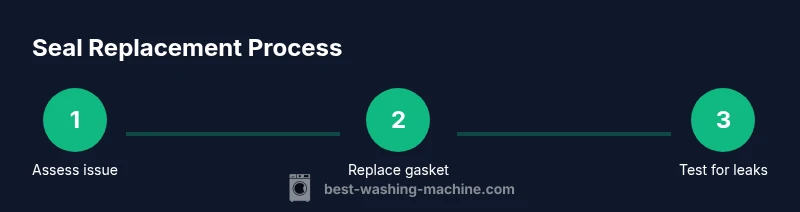
Once the new seal is in place, reassemble the machine and perform a thorough test. Reconnect water supply, plug in, and run a short wash without clothes to verify there are no leaks. Check every seam, especially the door boot, for fresh seepage during the cycle. If possible, run a light fill and check for dripping around the seal before full operation. Regular maintenance—keeping the seal clean and dry, wiping away soap scum, and inspecting for wear every 6–12 months—helps prevent future failures. If you notice recurring leaks, consider whether other components (door, tub, or hoses) are involved and consult a professional if needed.
Tools & Materials
- Replacement seal (door boot gasket) compatible with your washer model(Verify compatibility before purchase; know model number.)
- Flathead screwdriver(For removing trim screws.)
- Phillips screwdriver(For panel screws.)
- Torx driver or nut driver set(Model-dependent fasteners.)
- Pliers (slip-joint)(For hose clamps and clamps.)
- Bucket or bowl(To catch residual water.)
- Towels or rags(Absorb spills during replacement.)
- Silicone grease or lubricant(Lightly lubricate the seal edge.)
- Gloves(Protect hands from sharp edges.)
- Flashlight(Better visibility behind panels.)
Steps
Estimated time: 1-2 hours
- 1
Power down and water shutoff
Unplug the washer and close both hot and cold water valves. Place towels around the base to catch spills. This protects you from electric shock and minimizes water exposure.
Tip: Have a bucket nearby and unplug before touching any components. - 2
Access the seal housing
Remove the lower toe-kick panel and the front panel if needed to expose the door boot. Disconnect hoses only if required, labeling positions for easy reattachment.
Tip: Consult model-specific diagrams and avoid forcing panels. - 3
Inspect the seal and determine replacement necessity
Carefully inspect the edge of the seal for cracks, tears, or hardening. Look for signs of mold, persistent dampness, or water behind the seal at the drum. If damage is present, replacement is indicated.
Tip: Take photos of the seal orientation before removal. - 4
Remove the old seal
Detach the seal from its groove or retainer, keeping track of clips or brackets. Do not pry too hard to avoid tearing the drum or housing.
Tip: Keep the old seal complete to compare fit with the new one. - 5
Install the new seal
Align the new seal with the drum and seating groove. Ensure there are no folds and the edge sits evenly inside the drum. Gently lubricate the edge to ease installation.
Tip: Follow the seal's installation instructions and avoid pinching. - 6
Reassemble and test for leaks
Reassemble panels, reconnect hoses, and plug in the machine. Run a short cycle with water and observe all seals for leaks, especially at the boot.
Tip: Start with a short test cycle and watch for 1–2 minutes of observation.
FAQ
What are signs that indicate the seal needs replacement?
Look for visible cracks, tears, or hardening around the door boot. Leaks during wash or fill are typical indicators. If you observe moisture buildup or musty odors accompanying leaks, replacement is usually warranted.
Look for cracks, tears, or damp spots around the door boot. Leaks during cycles mean you should plan a replacement.
Can I replace the seal myself, or do I need a technician?
DIY replacement is feasible for common front-load washers with a compatible seal and basic tools. If the seal is behind the drum or you’re unsure about compatibility, a professional replacement may be safer and protect your warranty.
You can usually replace a simple seal yourself, but call a pro if the seal is hard to access or you’re unsure.
How much does a seal replacement typically cost?
Costs vary by model and region. Expect parts and labor to factor into the price; check local service estimates before proceeding.
Costs depend on your model and local rates; obtain a precise quote from a licensed technician.
Is a damaged seal a safety risk?
Yes. A failing seal can cause water to reach electrical components and create slip or mold hazards. Address promptly to minimize risk.
Leaks near electrical parts can be hazardous; fix promptly.
How long does a typical seal replacement take?
DIY replacements typically take about 60–120 minutes, depending on model and access. Pro services may be faster with the right setup.
Most DIY jobs run around an hour or two; pros may finish faster.
Should I replace the entire door boot or just the seal?
For many front-loaders, replacing the seal alone suffices. If the boot is torn or the drum is damaged, you may need to replace the boot as well.
If the boot is torn or the drum is damaged, replace both; otherwise the seal alone may suffice.
Watch Video
The Essentials
- Identify clear leak signs and the right timing for seal replacement.
- Decide between DIY replacement and professional service based on model and skill.
- Use the correct seal size and approximate lubricant to avoid pinching.
- Test thoroughly after replacement to ensure a complete seal.
- Regular maintenance reduces future seal wear and leaks.