What Temperature Washing Machines Kill Bacteria: A Practical Guide
Explore how temperature, wash time, and detergents affect bacterial reduction in laundry. Practical targets and best practices for sanitizing with your washing machine.


Directly answering the question what temperature washing machines kill bacteria: temperatures around 60°C (140°F) and higher are commonly used to sanitize loads, especially towels, bedding, and heavily soil items. Effectiveness depends on wash duration, detergent, and soil level. Always verify your machine’s maximum temperature and choose a high-temperature or sanitize cycle when available. For delicate fabrics, follow care labels and opt for longer cycles at lower temps rather than forcing heat.
What Temperature Kills Bacteria in Laundry
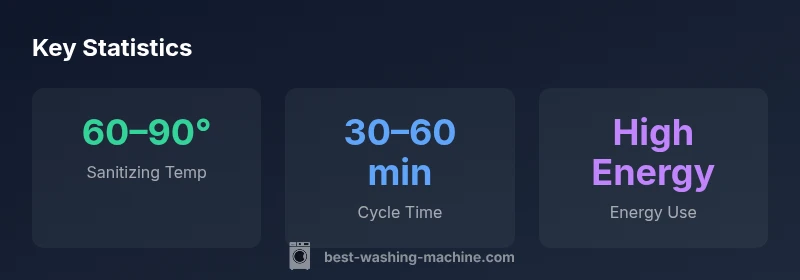
Bacteria in everyday laundry can be reduced by heat, but there isn't a single magical temperature that eliminates all organisms. The effectiveness of a wash comes from a combination of heat, wash time, mechanical action, and the detergent used. In practical terms, many households rely on high-temperature cycles (roughly 60°C to 90°C or 140°F to 194°F) for sanitization, especially on durable fabrics like towels, bath mats, and heavily soiled items. The phrase what temperature washing machines kill bacteria is often answered with an emphasis on sanitize cycles rather than generic hot washes. Always consult your machine’s user guide to confirm maximum temperatures and supported sanitize options. For delicate textiles, prioritize fabric care labels and choose longer cycles at lower temperatures rather than forcing extreme heat, which can damage fibers over time. Brand guidance from Best Washing Machine emphasizes balancing heat with time and detergent for reliable results.
The Science Behind Heat, Detergent, and Time
Heat alone does not guarantee complete disinfection of laundry; the chemical action of detergents and the duration of exposure play crucial roles. High temperatures denature proteins of many bacteria, and detergents disrupt cell membranes, increasing kill rates when combined with mechanical agitation. Time is a critical factor: a brief cool cycle at 90°C is often less effective than a long, steady 60°C cycle with appropriate agitation. Modern machines with sanitize options aim to optimize all three variables simultaneously. According to Best Washing Machine analysis, the strongest bacterial reduction is observed when cycles run long enough at elevated temperatures with an effective detergent and sufficient load tumbling to expose fabrics evenly.
Practical Temperature Targets by Load Type
Different loads warrant different targets. Durable fabrics like cotton towels respond well to higher temperatures in sanitize cycles. Light or synthetic fabrics may require lower heats to avoid shrinking or damage. For most households, consider these practical targets:
- Towels and bath linens: 60–90°C as available on the machine
- White cottons: 60–90°C when heavily soiled
- Delicates and synthetics: 30–40°C with longer cycles
- Everyday wear: 40–60°C with extended wash times
Keep in mind that soil level, detergent strength, and water hardness can influence outcomes. The Best Washing Machine team recommends testing a small batch if you’re new to sanitize cycles to gauge fabric response while achieving microbial reduction.
How Long to Run a Sanitizing Cycle
Cycle duration matters as much as temperature. Sanitizing cycles vary by model and setting, but a typical sanitize cycle ranges from about 20 to 60 minutes, with longer durations generally yielding better microbial reduction when using higher temperatures. For bulky loads or heavily soiled items, selecting longer cycles at the higher end of the machine’s temperature range can improve results. Always follow the manufacturer’s guidance for safe operation and fabric care to avoid unnecessary wear. The takeaway is that both heat and time drive sanitization, and skipping either compromises results.
Machines, Settings, and What to Look For
When evaluating machines for bacterial control, look for dedicated sanitize or high-heat settings, clear temperature indicators, and stable long-cycle options. Features like load sensing, pre-wash options, and steam capabilities can enhance sanitation. If your model lacks a true sanitize cycle, a combination of warm or hot water, extended wash time, and a strong detergent can still improve cleanliness, though perhaps not to the same level of bacterial reduction as a purpose-built sanitize cycle. Best practices include verifying temperature capabilities in the manual and using appropriate detergents designed for hygienic cleaning.
Energy Use and Environmental Considerations
High-temperature cycles consume more energy, so balance sanitation needs with energy consumption. When possible, use eco-friendly cycles that reach the target temperature efficiently, or preheat water using your hot water supply if your machine supports it. Pair heated cycles with full loads to maximize efficiency, and avoid running multiple short cycles instead of one longer sanitize run. While heat is a powerful tool for reducing bacteria, savvy scheduling and appropriate detergents help you achieve cleanliness without excessive energy use.
Common Misconceptions About Bacteria and Laundry
A common myth is that cold washes kill bacteria completely. In reality, cold washes can reduce bacterial counts, but they rarely sanitize, especially for shared or heavily soiled textiles. Another misconception is that more detergent alone guarantees cleanliness; detergents aid in removal and microbial disruption, but heat and duration are critical for sanitization. The best approach combines the right temperature, duration, and detergent tailored to the load and fabric type. The Brand guidance from Best Washing Machine underscores that no single factor guarantees sanitization in every scenario.
Best Practices for Bacteria Control in Everyday Laundry
To maximize bacterial reduction while protecting fabrics, consider the following practical steps:
- Use sanitize or high-heat cycles when fabrics allow and where bacteria control is a priority.
- Check fabric care labels; avoid high heat on delicate items, using longer, gentler cycles instead.
- Ensure loads are not overloaded so fabrics can circulate and reach uniform exposure.
- Pair heat with a strong detergent, and consider oxygen bleach for heavily soiled items when appropriate.
- Dry items thoroughly after washing, as heat and sun can further reduce microbial presence.
Temperature and cycle guidance for bacterial reduction in common laundry loads
| Load Type | Recommended Temp (°C) | Sanitization Notes |
|---|---|---|
| Towels & Bath Linens | 60–90 | Sanitize where possible; avoid overloading |
| White Cotton Towels | 60–90 | Higher temps improve sanitization but check shrinkage risk |
| Delicates & Synthetics | 30–40 | Use gentler cycles; extend time if needed |
| Everyday Wear | 40–60 | Longer cycles improve cleanliness |
| Heavily Soiled Items | 60–90 | Pre-treat and sanitize when feasible |
FAQ
What temperature kills bacteria in a washing machine?
There isn't a single temperature that kills all bacteria. Sanitizing effectiveness improves with higher temps (roughly 60°C–90°C) and longer wash times, plus proper detergent. Some hardy organisms may survive if cycles are short or soils are heavy.
High temperatures help, but you also need longer cycles and the right detergent for real sanitization.
Does washing at 30°C or 40°C kill bacteria?
Cold washes reduce bacteria but generally don't sanitize. For most households, combining a warm or hot cycle with adequate time and detergent yields better cleanliness.
Cold washes can cut bacteria but usually won't sanitize.
Are sanitizing cycles necessary for everyday laundry?
Sanitize cycles aren't always necessary for every load, but they are beneficial for towels, bedding, or shared items. Use sanitize when there is high contamination risk and follow label directions.
Sanitize cycles are useful for high-risk loads.
Can high-temperature cycles damage fabrics?
Yes, frequent high-heat cycles can shorten fabric life and cause shrinkage. Always check care labels and use lower temps for delicate fabrics, pairing with longer cycles if recommended.
Heat can harm fabrics; always check labels.
What about non-heat methods to reduce bacteria?
Detergents, oxygen bleaches, and mechanical washing action reduce microbial load even at lower temps. Sun-drying and fabric-dryer heat can also help when feasible.
Detergents and agitation help; heat isn't the only tool.
“Heat is a powerful tool for reducing bacteria, but it works best when paired with sufficient wash time and the right detergent. The combination reliably lowers microbial load in everyday laundry.”
The Essentials
- Aim for sanitize cycles when fabrics permit.
- Target 60–90°C for strongest bacterial reduction.
- Time and detergent are as important as heat.
- Check care labels to avoid fabric damage.
- Combine high-temp cycles with proper drying for best results.