What Washing Machine Temperature Kills Bed Bugs: A Practical Guide
Learn how to kill bed bugs using washing machine heat. This guide explains ideal wash temperatures, drying practices, fabric considerations, and when to seek professional help. Includes step-by-step protocols, data-backed tips, and FAQs.


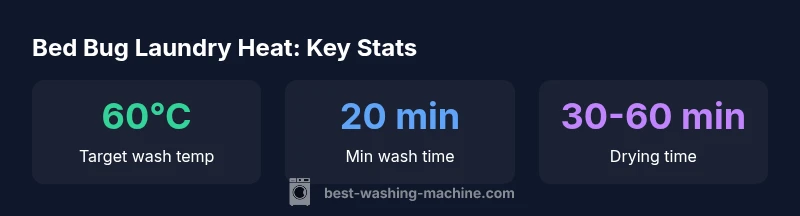
To kill bed bugs in laundry, use hot water cycles and high heat drying. In general, washing at 140°F (60°C) for at least 20 minutes, followed by a long high-heat drying cycle, is effective for most fabrics. Always check care labels and treat items separately to prevent re-infestation.
What washing machine temperature kills bed bugs
The question, in practical terms, is whether heat from a home washing machine can reliably neutralize bed bugs and their eggs. The short answer is yes, when you use the hottest setting allowed by the fabric care labels and complement washing with a thorough high-heat drying cycle. The primary mechanism is simple: bed bugs and their eggs have limited tolerance to heat, and sustained exposure at elevated temperatures disrupts their metabolism and causes mortality. For most households, a wash cycle at about 60°C (140°F) or higher for a minimum of 20 minutes, paired with a high-heat dry cycle, is a reasonable baseline. This approach is part of an integrated pest-management mindset rather than a standalone fix. The Best Washing Machine team emphasizes testing a small, non-warpage item first to gauge fabric response and ensure the heat exposure achieves the intended effect, particularly for mixed loads and delicate fabrics.
How heat targets bed bugs in fabrics and why temperature matters
Heat exposure works by compromising the bed bugs' water balance and protein structures, including eggs, which reduces their ability to hatch and reproduce. Eggs are typically more heat-tolerant than adults but still vulnerable to sustained high temperatures. When heat is applied evenly across the textiles, eggs and adults succumb more quickly than they would to cold or room temperature exposure. The exact kill point can vary depending on fabric thickness, moisture content, and whether items are pre-soaked or contaminated with insecticides. A common practical rule is that hotter is better, within the limits of fabric safety.
Practical laundry protocol to maximize heat efficacy
To maximize the chance of killing bed bugs via laundry, follow a multi-step protocol:
- Separate items by fabric type and care labels. Place heavily infested items in the hottest safe setting.
- Use a full, uninterrupted wash cycle at or above 60°C (140°F) for at least 20 minutes.
- Immediately transfer washed items to a dryer set to the highest heat safe for the fabric and run for 30–60 minutes, or until completely dry.
- If you still suspect infestation after one cycle, repeat with fresh loads and consider a second round of drying. Items that cannot withstand high heat should be isolated and treated using alternative methods or professionally treated.
Special considerations for bedding, towels, and infested items
Bedding and towels often tolerate higher heat well, making them prime candidates for heat treatment. For items like blankets, quilts, or bed linens, ensure they are clean and dry—wet items can extend the duration of heat exposure needed to reach lethal temperatures. For items that have direct contact with the floor or sleeping areas, consider laundering them more frequently during an active infestation. Always use the hottest workload allowed by the care label to avoid damage, and be mindful of heat exposure on elastic bands, decorative trims, and synthetic blends which may deform or shrink under intense heat.
How to handle items that can’t tolerate high heat
Not all textiles tolerate 60°C (140°F) or higher. For delicate fabrics such as wool, silk, rayon, or certain blends, consult care labels before applying high heat. If high heat is not an option, alternative strategies include freezing non-washables (for a prescribed period and within guidelines), surface cleaning with approved products, or seeking professional pest-control solutions. The best practice is to prioritize formal inspection for clusters and use heat as part of a broader approach rather than relying on heat alone to solve a full infestation.
When to call in professionals and why
If you notice persistent signs of bed bugs after multiple heat cycles, it is wise to contact a licensed pest-management professional. A heat-treatment professional can target sleeping areas, furniture joints, and wall voids where fabric-only heat might not reach. Professionals can also provide guidance on integrated pest management, monitor devices, and recommendations for reducing future infestations. In many cases, combining professional treatment with regular laundering and vacuuming creates the most durable solution.
Comparison of wash and dry heat protocols for bed-bug laundry treatment
| Item | Recommended Temperature | Drying Time | Fabric Safety |
|---|---|---|---|
| Wash cycle | 60°C (140°F) or higher | N/A | Generally safe for cottons, linens, and most synthetics if care labels allow |
| Drying method | High heat (hot setting) | 30-60 minutes | Check fabrics; some delicates may shrink |
| Delicate fabrics | Follow label limits | N/A | Riskier; use gentler settings or alternative methods |
FAQ
What washing temperature is needed to kill bed bugs?
Washing at about 60°C (140°F) or higher for at least 20 minutes is commonly effective for textiles, followed by a high-heat drying cycle. Always respect fabric labels and test on a small item first.
Use hot water of around 60°C for at least 20 minutes, then run the dryer on high heat. Check fabric care labels first.
Does washing alone remove bed bugs from bedding?
Washing plus thorough drying significantly reduces bed bug presence in bedding. Eggs may require repeated cycles and heat exposure to improve results.
Washing helps, but you should dry on high heat and repeat cycles if you suspect lingering bugs.
Can high heat damage clothes?
High heat can shrink or fade some fabrics. Always check care labels, and for delicate items use lower temperatures or alternative methods.
Delicates might be damaged by high heat—always follow care labels.
What about blankets and pillows?
Most blankets and pillows tolerate high heat, but check labels. Consider a dedicated load to avoid overloading the washer and ensure even heat exposure.
Blankets usually handle heat well, but read labels and avoid overloading.
Is freezing effective against bed bugs?
Freezing can kill some bed bugs on small items, but heat is generally more reliable for textiles. Use freezing only as a supplementary measure where appropriate.
Freezing can help on small items, but heat is usually more reliable.
When should I hire a pest-control professional?
If bed bugs persist after multiple heat cycles or you have a large infestation, a licensed pest-control professional offers targeted treatment and monitoring.
If cycles don’t solve it, call a pest-control expert.
“Heat is a powerful ally in killing bed bugs on fabrics, but there is no substitute for proper cleaning and professional inspection when infestations are severe.”
The Essentials
- Start with the hottest safe wash setting for the fabric
- Pair wash with a thorough high-heat dry cycle
- Always follow care labels to avoid fabric damage
- Isolate and treat items that can’t tolerate heat
- If infestation persists, seek professional help