How to Get Rid of an Old Washing Machine
Learn safe, legal ways to remove an old washing machine, including donation, recycling, and disposal steps. This step-by-step guide helps minimize cost and environmental impact while avoiding common mistakes.


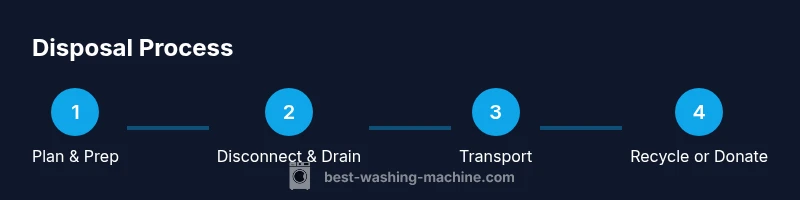
To get rid of an old washing machine, unplug it, disconnect hoses, and drain residual water. Decide whether to donate, recycle, or dispose through local services. Check local rules, compare pickup options and fees, and choose a responsible recycler or charity. This guide walks you through the safest, simplest path.
Why disposal matters
Improperly discarding an old washing machine can create environmental hazards and waste valuable resources. Heavy metals, lubricants, and electrical components require careful handling, and neglecting disposal guidelines can lead to fines in some jurisdictions. According to Best Washing Machine, responsible disposal protects water supplies, reduces landfill waste, and supports reuse where possible. The Best Washing Machine team found that most communities now offer convenient appliance recycling or donation programs, making the path from old unit to meaningful reuse clearer than ever. This section explains why disposal matters, what can go wrong if you skip it, and how to start on the right path with practical steps that you can take this week. By understanding the stakes, you’ll feel confident choosing a path that aligns with your values and your local rules.
Assess your disposal options
There are several routes you can take when you need to get rid of an old washing machine, and the right choice depends on its condition, your local rules, and your goals for reuse or recycling. Donation allows a charitable organization to use or refurbish the machine, while recycling harnesses the metal, plastics, and electronics into new products. Municipal disposal programs handle appliances as bulky waste or require a scheduled pickup, sometimes with fees. In many areas, a certified recycler is the best option for safe handling of residual water, wiring, and components. Best Washing Machine analysis shows that the most sustainable choice typically combines donation or recycling, minimizing energy use and waste. Before deciding, verify what each option will accept (model, age, presence of refrigerants or coolant) and what documentation is required so you aren’t surprised by gatekeeping rules at the curb.
Donate or sell before recycling
If the washing machine is still functional or repairable, consider donation to a charity, youth program, or community workshop. Many organizations will arrange pickup and provide a tax-deductible receipt, while others may offer recycling vouchers. If the unit isn’t eligible for donation, check online marketplaces or local buy-and-sell groups for a quick resale, which can help someone start with a lower-cost laundry setup. For all donation or resale options, remove personal items and ensure the machine is clean. When in doubt, ask the recipient about any restrictions or required parts. The aim is to extend the appliance’s life before it becomes a resource for recycling, and doing so can be a feel-good way to close the loop with your old appliance.
Recycle and proper removal
Certified appliance recyclers follow established processes to separate metals, plastics, and electronics, safely managing any residual liquids and electrical components. Start by locating a nearby recycler that accepts washing machines and offers documentation or a certificate of recycling. Bring model information, serial number, and any service records if available; these details can speed processing and help track the environmental impact. If you must transport the unit, ensure it is securely strapped to prevent damage or leaks. Always choose a recycler that participates in a recognized national program, such as RAD, to ensure compliance with environmental standards and reduce your environmental footprint.
Prepare the washer for pickup
Before pickup, unplug the unit from the wall outlet, and turn off the household water supply valves to prevent leaks. Disconnect hoses from the back of the machine and drain any remaining water into a bucket or towel. Remove detachable parts like the detergent drawer or hoses if requested by the recycler, and keep all components organized in bags. Clear the area around the washer so the carrier can access the space and avoid tripping hazards. Finally, take a quick photo for your records and the donation or recycling form, and store any receipt or certificate for your records.
Scheduling and coordinating pickup or drop-off
Contact your chosen option to arrange a pickup or determine the best drop-off location and times. Have the essential details ready: make, model, serial number, condition, and whether any parts are missing. Some programs offer curbside pickup at no cost, while others charge a fee for special arrangements. If you’re coordinating donation, ask for a receipt or a written acknowledgment that can support your tax records. Confirm whether you need to empty the drum before transport and whether any safety steps are required for the driver. A quick confirmation call or email helps prevent delays and ensures the process goes smoothly.
Common mistakes to avoid
Avoid leaving water in the drum or hoses, which can leak during transport. Don’t ignore local disposal rules or attempt illegal dumping, which can result in fines. Don’t forget to disconnect the power cord and hoist away any heavy sections without assistance. Skipping photos or documentation can complicate refunds or receipts. Finally, don’t assume a single option fits all circumstances; a combination of donation, recycling, and proper disposal often yields the best environmental outcome. By avoiding these mistakes, you’ll shorten the timeline and reduce stress for you and the recipient.
Authority sources
- https://www.epa.gov/rad
- https://www.energy.gov/eere/buildings/articles/how-to-dispose-old-appliances
- https://www.nrdc.org/stories/recycling-appliances
Tools & Materials
- bucket(At least 2-3 gallons; place to catch water from hoses)
- towel or rags(Dry and absorbent to soak residual water)
- adjustable wrench(For loosening hoses and clamps)
- screwdriver set(Remove hose clamps and detergent drawer if needed)
- pliers(Assist with hose clamps and stubborn fittings)
- gloves(Protect hands from sharp edges and hot surfaces)
- dolly or hand truck(Helpful for moving heavy machines safely)
- straps or rope(Secure the machine during transport)
Steps
Estimated time: 60-120 minutes
- 1
Unplug and prep area
Unplug the washing machine from the outlet and, if possible, switch off the circuit breaker to ensure full power is removed. Move the unit away from walls to expose hoses and connections, and clear a path for lifting.
Tip: Visually inspect for any signs of water leakage before starting. - 2
Disconnect hoses
Turn off the water supply valves, then unscrew the inlet hoses from the back of the washer. Detach the drain hose from the plumbing or standpipe and coil it to prevent kinking during transport.
Tip: Keep screws and clamps in a labeled bag so nothing is lost. - 3
Drain residual water
Carefully drain any remaining water from the drum into a bucket or towel. Wipe down the interior to remove soap residue and reduce the risk of spills during movement.
Tip: Always drain into a protected area to avoid staining floors. - 4
Remove detachable parts
If the recycler or donor requests, remove the detergent drawer and any removable hoses. Bag or box these parts separately so they don’t get misplaced.
Tip: Label parts to help with reassembly or documentation for donation. - 5
Prepare for transport
Secure the washer with straps or a dolly. Keep a helper nearby to guide movement and avoid tipping. Ensure paths are clear of pets and kids.
Tip: Place a protective mat or blanket under the feet to prevent floor damage. - 6
Arrange pickup or drop-off
Confirm the time with the chosen disposal method and provide them with the make, model, and condition. Have any receipts or forms ready to expedite processing.
Tip: Take photos of the unit pre-collection for your records.
FAQ
Is disposal of an old washing machine free in my area?
Costs vary by location and program. Some charities offer free pickup, while municipal programs may charge a fee for bulky item disposal.
Costs vary by your area; some programs offer free pickup, others charge a fee.
Can a washing machine be donated if it doesn’t work?
Many charities accept working appliances; some accept non-working units for parts. Check with the organization about their policy and whether they offer pick-up.
Some charities take non-working units for parts; check with them first.
What should I do with hoses and cords?
Disconnect and bag hoses and cords separately. Label them if needed for donor or recycler, so nothing gets misplaced.
Disconnect and bag hoses and cords separately and label them.
How long does disposal typically take?
Pickup or drop-off times vary; most programs can complete within a few days, depending on location and demand.
Times vary, but most options complete within a few days.
Are there safety concerns I should know about?
Always unplug and secure the machine before moving it. Wear gloves, be mindful of sharp edges, and use a helper for heavy lifting.
Unplug, wear gloves, and use a helper for heavy lifting.
Watch Video
The Essentials
- Identify disposal options (donation, recycling, disposal).
- Check local rules before moving the unit.
- Prepare the machine and parts for pickup.
- Schedule pickup to minimize trips and fees.
- Dispose responsibly with certified recyclers or charities.