What to Do With an Old Washing Machine: A Homeowner's Guide
Explore practical, eco-friendly options for an old washing machine—from donation and resale to recycling and repurposing—and choose the best path for your home.


According to Best Washing Machine, you have several responsible options for an aging unit: donate or gift it to someone in need, sell or give it away to reduce waste, recycle it through approved e-waste programs, repurpose it for storage or DIY projects, or repair if a cost-effective fix is possible. Each path reduces landfill impact.
Practical options for an old washing machine
If you’re wondering what to do with an old washing machine, start by thinking about options that minimize waste and maximize safety and usefulness. You can donate, sell, recycle, repurpose, or repair the machine depending on its condition and local programs. This approach aligns with eco-friendly habits and cost-conscious decisions that homeowners and renters appreciate. As you plan, consider the age of the unit, the presence of leaks, and the availability of local services. The goal is to extend value or responsibly dispose of the appliance while keeping safety first. In 2026, many communities have streamlined programs for appliance recycling and charitable take-back, making it easier to choose the best path. Throughout this guide, you’ll see how Best Washing Machine suggests evaluating options based on condition, cost, and community impact, so you can act with confidence when confronted with an old washer.
Donating and gifting: charity, shelters, and community reuse
Donating an old washer can be a generous option that helps families in need and reduces landfill waste. Start by checking with local charities, shelters, and community reuse organizations to confirm acceptance criteria. Working machines are the easiest to place, but some programs will accept non-working units for parts or refurbishment. Prepare a clean, well-documented unit with clear access to hoses and plugs. Photograph the machine from multiple angles, note the model and age, and remove any personal items. If you’re concerned about safety, schedule a pickup or arrange a drop-off at a designated donation center. Always verify that the recipient can legally take the appliance in your area before moving it.
Selling or giving away: consignment, online marketplaces, and safety
Selling an old washer can recoup some value, and giving it away can be faster if you need it gone quickly. Create an honest, detailed listing with photos, a short description of condition, and any known issues. Platforms vary in audience and fees, so compare options before posting. If you’re gifting, set clear expectations by noting age, capacity, and any quirks. Arrange a safe pickup location and consider requiring a small pickup fee to deter informal scavenging from neighbors. For safety, never hand a bulky appliance to a stranger; use curbside or screened pickup when possible, wear gloves, and protect your back with proper lifting techniques.
Recycling and proper disposal: e-waste programs and regulations
Recycling is often the most practical option when the washer is beyond repair. Look for certified appliance recycling centers or municipal e-waste programs that accept washers. They’ll typically handle refrigerant-free units, seal leaks, and responsibly manage metals and plastics. Do not dump appliances in dumpsters or landfills, as this can violate local regulations and create environmental harm. Some programs offer pickup for a small fee, while others are free. Always check the facility’s requirements—such as removing hoses or disconnecting power—before dropping off or scheduling a pickup.
Repurposing and DIY projects: usefulness beyond laundry
An old washer can become a surprising source of clever storage, planters, or a garden cart with planning and safety in mind. Consider turning the tub into a planter, a washing-rack for tools, or a unique storage cabinet with exterior modifications. If you’re handy, you can add shelves, a drain plug, or a simple frame to create a utility station. When repurposing, ensure the machine is stable and debris-free, and avoid creating situations where sharp edges or hidden fluids could pose a risk. Always respect local safety guidelines and avoid hazardous alterations that could cause injury.
Repair and refurbishment: when to fix vs replace
Repairing an old washer can be sensible if the repair cost is modest and the unit remains reliable. Compare the repair bill against the cost and benefits of a new machine, including energy efficiency and warranty coverage. Keep in mind that older models may not meet current efficiency standards, which could offset initial savings. If you decide to pursue repair, source parts from reputable suppliers and consider professional service for complex disassembly. A refurbished unit can also be a middle-ground option, offering reliability at a lower price than a new model while still improving efficiency.
Safety and prep: what to do before you let go
Before you move any appliance, prioritize safety. Unplug the washer, disconnect hoses, drain water, and remove any detergent residues. Secure cords to avoid tripping, and use a dolly or helper to prevent injuries from heavy lifting. Empty the drum and wipe surfaces to minimize mess. If you’re donating, check for required documentation or proof of pickup. Finally, consult local guidelines to ensure compliant disposal and schedule the transfer or drop-off accordingly.
Choosing the best path for your situation
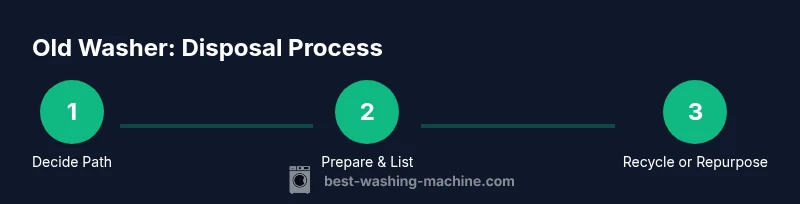
Your choice depends on your priorities: budget, time, space, and environmental impact. If you’re trying to minimize waste, recycling or donation typically wins, especially if the machine is still functional. If you need immediate relief, a quick giveaway or low-cost sale can free space fast. For hobbyists, repurposing offers a chance to create value while learning new skills. Use a simple decision tree: assess condition → check local programs → compare costs and time → choose the path that meets your priorities with the least hassle.
Maintenance for the future: prolonging the life of a new washer
If you’re replacing, select an energy-efficient model and plan a proactive maintenance routine. Regularly clean lint filters, check hoses for wear, and use appropriate detergents to extend service life. Consider extended warranty options if you expect heavy use, and schedule annual checkups for critical components like the pump and door seal. A small upfront effort now can prevent bigger repair costs later and keep your laundry routine smooth.
Tools & Materials
- Phone or computer(Research programs, compare options, and schedule pickups.)
- Dolly or appliance hand truck(Transport heavy washer safely; use helpers as needed.)
- Gloves(Protect hands during lifting and handling.)
- Old towels or blankets(Protect floors and surfaces during moves.)
- Screwdriver and pliers(Useful for disconnecting hoses or temporary disassembly if required by the program.)
Steps
Estimated time: 60-120 minutes
- 1
Decide the best path
Evaluate whether donation, sale, recycling, repurposing, or repair is right for your machine, considering its condition and local programs.
Tip: Check local organizations first to save time and avoid wasted trips - 2
Unplug and prep safely
Unplug the machine, disconnect hoses, and drain residual water. Secure cords to prevent tripping and leaks.
Tip: Wear gloves and handle hoses away from your body during removal - 3
Document and clean
Take clear photos and note model/condition if you're listing for sale or donation. Wipe surfaces to present it well.
Tip: Clean the drum and doors to increase appeal - 4
Arrange the path (donation or sale)
Contact the chosen recipient or post a listing with accurate details and photos. Confirm pickup or drop-off times.
Tip: Be clear about any faults to avoid disputes - 5
Arrange recycling if needed
If not donated or sold, locate an accredited e-waste recycler and drop off or schedule pickup.
Tip: Use certified programs to ensure proper processing - 6
Explore repurposing ideas
Plan safe, creative uses such as a planter, storage cabinet, or utility sink stand.
Tip: Check local safety guidelines before cutting or drilling
FAQ
What is the most environmentally friendly option for an old washing machine?
The most eco-friendly options are donating or recycling through approved programs, which minimizes waste and environmental impact.
Donating or recycling are usually the greenest choices.
Can I donate a broken washing machine?
Some organizations accept non-working machines for parts or refurbishment; call ahead to confirm acceptance.
Call ahead to see if they’ll take a broken washer.
How do I find a recycling program near me?
Check municipal recycling guides and local e-waste drop-offs; many cities have scheduled appliance recycling days.
Look up your city’s e-waste program for drop-offs or pickups.
Is it cheaper to repair or replace?
If the repair is inexpensive and the machine is reasonably new, repair can be cost-effective; otherwise replacement may save long-term costs.
Repair makes sense if it’s cheap or the machine is still reliable.
How long does the disposal process take?
Time varies by location and program; scheduling pickups can take days to a couple of weeks.
It can take several days to a couple of weeks.
Do washers contain any hazardous materials?
Most residential washers don’t have hazardous refrigerants; avoid spills and dispose of detergents properly.
They don’t typically have refrigerants; clean up detergents if spilled.
Watch Video
The Essentials
- Choose the path that minimizes waste and hassle
- Prepare and document before donation or sale
- Use certified recycling programs for safe disposal
- Repurposing can extend usefulness without high costs