How to Get Rid of a Washing Machine: Safe and Smart Disposal
Learn safe, legal ways to dispose of a washing machine. This guide covers prep, transport, and disposal options like recycling, donation, bulk pickup, and local regulations for responsible cleanup.


By the end, you’ll know how to get rid of a washing machine safely and legally. This guide covers unplugging, draining water, disconnecting hoses, preparing the machine for transport, and choosing recycling, donation, or bulk pickup options. You’ll also learn to find licensed recyclers near you and avoid common disposal mistakes.
Why disposing washing machines properly matters
Disposing a washing machine improperly can create environmental hazards and clutter your space. Modern machines contain metals, plastics, and electronic components that recycle well when properly processed. Following official disposal channels helps prevent hazardous materials from entering landfills and supports local recycling streams. According to Best Washing Machine, responsible disposal protects the environment and ensures you stay compliant with local rules while enabling higher recycling rates. By choosing a licensed recycler or a donation program, you also contribute to the circular economy, where components like steel, copper, and plastics can be reused. As waste management evolves, many communities offer curbside bulky-item pickup or drop-off events that streamline the process and reduce your efforts. The goal is to turn an old appliance into usable resources rather than waste.
Disposal options explained
There are several legitimate paths to get rid of a washing machine. Recycling centers accept end-of-life appliances and often extract metals, plastics, and electronics for reuse. Donation programs can give your machine a second life if it’s still operational or fixable. Some municipalities offer bulk pickup or scheduled drop-off at my local transfer station. If your unit is beyond repair, selling for scrap can offset disposal costs. Always verify that the facility is licensed and that the service follows environmental standards. By starting with local programs, you can minimize transport, reduce emissions, and comply with disposal regulations.
Environmental impact of improper disposal
Dumping or abandoning a washing machine can release oils, refrigerants, or other fluids into the environment, and it may create hazards for waste workers. Even when a machine looks empty, residual water and detergents can contaminate soil and water sources if mishandled. Recycling repurposes materials and reduces the need to mine virgin metals, cutting energy use and pollution. Proper disposal also avoids fines from cities and waste authorities and helps your community meet its environmental targets. When in doubt, contact your local waste management authority for approved disposal methods and to learn about any large-item collection events.
Prep steps before disposal
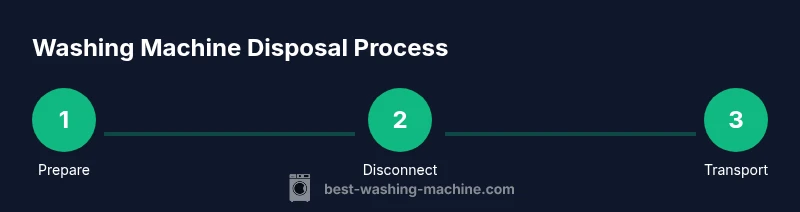
Prepare your washing machine for removal to make the process safe and efficient. First, unplug the machine and ensure it’s completely powered down. Then shut off and disconnect water supply hoses, allowing any remaining water to drain into a container. Remove the power cord and detach any detachable parts, like hoses or drain pumps, that the recycling partner doesn’t want. If you’re planning to donate or sell, document ownership and reset any settings or locked features. Finally, check the door to ensure it won’t swing open during transport, especially for front-load models with heavy doors.
How to choose a recycler or donor
Start by locating licensed appliance recyclers or charity donation programs in your area. Look for facilities that advertise appliance recycling, metal recovery, and safe handling practices. Ask about what gets recycled, whether you’ll receive a receipt for tax purposes, and if they offer pickup services. If the machine still runs, inquire about donation eligibility and pickup options. Read reviews or ask neighbors for recommendations to avoid scams. Getting multiple quotes helps you compare fees or pickup costs; some programs offer free curbside pickup for certain conditions or volumes.
What to expect on pickup or drop-off
During pickup or drop-off, expect a quick assessment of the machine’s condition and a safety check by staff. You’ll typically sign a liability waiver, especially if the pickup involves stairs or tight spaces. At donation centers, they may assess viability for resale; scrap yards may pay by weight. Always provide proof of ownership if required and bring any relevant paperwork. If you’re recycling through local government programs, you may need to schedule in advance and have a receipt or tag to show responsibility for the item. This helps facilities track the flow of discarded appliances.
Costs, incentives, and tax considerations
Costs for disposal vary by program and location. Some communities offer free curbside pickup for bulky items, while others charge a fee based on weight or labor. Donating a working machine can be cost-free and may provide a tax deduction if you itemize. Some retailers or manufacturers run take-back programs with fees waived or reduced when you purchase a new unit. Always ask for a written estimate and confirm what is included (pickup, loading, recycling). Remember to keep receipts for potential tax or warranty considerations.
After disposal: what happens to your machine
Once collected, appliances are transported to a certified facility where they’re dismantled. Valuable metals like steel and copper are recovered, and plastics and glass are sorted for recycling. Electronics are checked for reusable components, which can be refurbished or resold. Hazardous fluids and components are processed following strict environmental standards to prevent contamination. By choosing certified recyclers, you help ensure that the entire lifecycle of the washing machine supports sustainability and reduces environmental impact.
Tools & Materials
- Gloves (work gloves)(Sturdy, slip-resistant)
- Flashlight(Low light areas during pickup)
- Dolly or appliance cart(Heavy machines require wheels)
- Moving straps(For stairs or tight turns)
- Wrenches and pliers(To disconnect hoses if needed)
- Trash bags or containers(Contain residual water)
- Sealable container for fluids(Avoid spills during transport)
Steps
Estimated time: 2-4 hours
- 1
Power off and unplug
Ensure the machine is completely off, unplug the power cord, and confirm there is no residual electricity entering the unit. This prevents shock during handling.
Tip: If you can’t unplug easily, switch off the circuit at the main panel first. - 2
Disconnect water supplies
Shut off the water supply valves and detach the hot and cold hoses from the machine. Let any remaining water drain into a container.
Tip: Have towels ready to catch drips; avoid twisting hoses too hard. - 3
Drain remaining water
Drain the tub or pump to minimize spills. If your model has a drain hose, place it into a bucket or drain. Remove any trap screens as needed.
Tip: Keep the bucket handy for quick capture of fluids. - 4
Remove detachable parts
Take off hoses, detergent trays, and any removable panels if requested by the recycler or donor. Store screws in a labeled bag.
Tip: Secure small parts so they don’t get lost. - 5
Prepare for transport
Slide the machine onto a dolly or cart. If stairs are involved, use moving straps and a helper. Secure with straps to prevent shifting.
Tip: Keep body in a stable stance to avoid back strain. - 6
Transport to recycler or donation site
Move the unit to your chosen disposal path. Follow the facility’s instructions for drop-off or ensure pickup is scheduled. Obtain a receipt or confirmation.
Tip: Take photos of the pickup for your records. - 7
Obtain documentation and confirm disposal
Get a disposal receipt, recycling certificate, or donation acknowledgment. This documents environmental compliance or charity contribution.
Tip: Keep documentation for tax purposes and future reference.
FAQ
Can I throw my washing machine in the curbside trash?
Curbside disposal is often not allowed for appliances. Many municipalities require recycling or bulk item pickup. Check local guidelines before placing it on the curb.
Most cities don’t allow curbside disposal of appliances; you’ll usually need to schedule bulk pickup or take it to a recycling center.
What if my washer still runs but is outdated?
If it still operates, consider donation to charity or resale. Many programs accept working units and can provide pickup, which is often free. Recycling centers also accept functional machines for parts.
If it still runs, donate or resell when possible; many programs pick up for free.
Are there fluids inside the machine that I must dispose of separately?
Yes. Drain any residual water in the tub and remove hoses to avoid spills. Do not pour detergent or machine fluids down the drain; recycle or dispose per local guidelines.
Drain residual water and disconnect hoses; don’t pour fluids down the drain.
How do I know if a recycler is legitimate?
Look for licenses, clear recycling practices, and receipts. Ask about metal recovery, plastic recycling, and how fluids are handled. Read reviews or ask neighbors for recommendations.
Choose a licensed recycler and ask about their process and receipts.
Will I get a tax deduction for donating my washer?
Donating a working machine may qualify for a tax deduction if you itemize. Consult a tax professional and obtain a receipt from the charity.
Donations may offer a tax deduction if you itemize and get a receipt.
What should I do with the hoses and detachable parts?
Remove and bag detachable parts separately. Some recyclers want only the machine shell, others accept hoses and trays. Check requirements before collecting.
Bag detachable parts separately according to the recycler’s rules.
Watch Video
The Essentials
- Plan disposal with licensed recyclers or donation programs.
- Prep thoroughly: unplug, drain, and detach hoses before pickup.
- Document disposal with receipts for records and potential tax benefits.
- Choose local options to minimize transport and environmental impact.
- Keep safety top of mind; use a dolly and helper for heavy machines.