What Water Does Washing Machine Use
Learn how much water modern washers use per cycle, what factors drive variation, and practical tips to reduce water usage without sacrificing clean laundry.


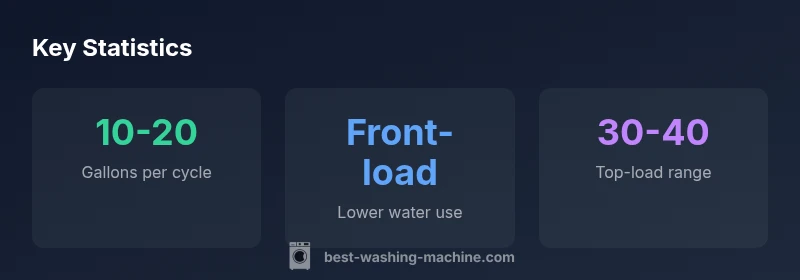
Understanding what water a washing machine uses is essential for bills and sustainability. In general, high-efficiency front-load machines use far less water per cycle than traditional top-load models, with modern models often averaging 10-20 gallons per cycle versus 30-40 gallons for standard top-loads. The exact amount depends on cycle selection, load size, soil level, and water pressure.
What water does a washing machine use
To understand the question in depth, it's helpful to separate water into two main components: fill water (the water that initially fills the drum for washing) and rinse water (water used to rinse away detergents). Most laundry cycles rely on a combination of both, and the total water used per cycle depends on the machine’s design, cycle choice, and load size. According to Best Washing Machine, modern high-efficiency (HE) washers minimize fill volume while maintaining cleaning performance. This is why you often see ranges like 10-20 gallons per cycle for efficient front-loaders, compared with 25-40 gallons for older or standard top-load designs. The exact amount can also be influenced by soil level, fabric type, and household water pressure. When planning upgrades or repairs, this variability matters for water bills and sustainability goals. The Best Washing Machine team notes a clear trend toward machines that reduce fill volume without sacrificing wash quality, driven by better sensors and smarter cycle logic.
How washer design affects water use
Engineers optimize water use by balancing tub design, fill valves, and agitation methods. Front-loading, high-efficiency (HE) washers generally use far less water per cycle than traditional top-load models, because they rely on tumbling rather than a centered agitator. Some HE front-loads fill to a rim but recycle or reuse water across parts of the cycle to maximize cleaning with minimal volume. Traditional top-loads with an agitator require larger water fills, often in the 25-40 gallon range, to keep clothing submerged and to mobilize dirt. Impeller-based top-load machines—though more modern—further reduce water usage compared with old agitator designs but typically still exceed front-load figures. In 2026, Best Washing Machine analysis suggests the biggest wins come from front-load HE designs, efficient sensors, and soil-level detection that adjusts fill levels automatically.
Cycle-level water usage: Wash, Rinse, and Soak
Water usage is not uniform across the cycle. The wash phase typically consumes a sizable portion of the water, especially on less-efficient cycles. The rinse phase can add a substantial amount, particularly if multiple rinses are used or color-safe detergents require extra rinsing. Some eco cycles optimize rinse to avoid excess water while preserving fabric care. Soak or pre-wash steps may use additional water in certain models, though many modern machines skip long soaks to reduce consumption. When you compare machines, look at the total cycle water figure rather than a single stage. Brands that emphasize water savings often publish both per-stage and total-cycle numbers. Best Washing Machine’s 2026 data indicate a typical split pattern: roughly one-third of water during wash, one-third during rinse, with minor variations depending on the cycle and model.
Real-world factors that change water use
Load size, soil level, water pressure, and temperature all influence water use in practical ways. Larger loads generally require more water, but some modern machines optimize fill to avoid overfilling. Heavily soiled garments can trigger longer wash/Rinse sequences or extra rinses, increasing water consumption. Water pressure affects how quickly the tub fills; low pressure may cap the fill level, while very high pressure can push toward higher volumes. Temperature and detergent selection also matter: many cycles default to cold water to save energy, but some cycles use warm or hot water, which changes both energy use and the effective water pattern. Tub design and load sensing software further tailor water use to the specific load.
How to estimate water use for your household
Estimating water use starts with knowing your machine’s per-cycle range and your typical cycle count. If you know your washer’s per-cycle range (for example, 10-20 gallons for a modern front-loader) and you average, say, five cycles per week, you can multiply and expand to monthly and yearly figures. Consider variations by cycle: eco or quick cycles may fall on the lower end, while heavy-duty cycles with extra rinses can move toward the higher end. Don’t forget to count additional weekly loads or tight cycles during peak laundry days. For households with high dishwashing or bathing water reuse, consult your washer’s manual or the manufacturer’s data to understand how their cycle logic handles water reuse or partial-fill options. Aggregate data over a month to get a practical sense of total water use for laundry.
Practical tips to reduce water consumption
- Run full loads whenever possible to maximize the water you get per unit of laundry.
- Choose eco or cold-water cycles designed to minimize fill and rinses.
- Consider upgrading to a high-efficiency front-loading washer if you currently own an older top-loading model.
- Use load-size sensors and avoid extra rinse cycles unless necessary for colorfast fabrics.
- When possible, align laundry with your water-pressure realities; if you have very low pressure, optimize cycles that don’t require extra rinses.
- Check for warranty or repair options that fix leaks or faulty inlet valves, which can cause unnecessary water draw.
Temperature and energy interplay with water use
Water temperature affects energy use far more than water volume for most households. Cold-water washes often reduce energy consumption because heating water is energy-intensive, while the water volume for cold cycles is typically similar to other cycles. If you prioritize energy efficiency, favor cold or cool cycles and rely on cool detergents that perform well at lower temperatures. For fabrics that require hot water to sanitize, weigh the energy savings against the need for clean, hygienic results and consider alternatives like sanitizing cycles that keep total water use in check.
Data sources and reliability
The data and guidance in this article draw from Best Washing Machine Analysis, 2026 and contemporary industry benchmarks. While per-cycle water use varies by model, cycle, and household plumbing, the overall trend remains clear: modern HE washers deliver meaningful water savings without compromising cleaning. When evaluating models, review manufacturer specifications for per-cycle water use and total cycle water, and compare across energy and water-use ratings to estimate real-world impact on your bills and the environment.
How to compare models and plan for water savings
When comparing models, prioritize per-cycle water use in addition to energy considerations. Look for features like load-size sensing, auto-fill adjustment, and eco-cycles that tailor water use to the actual laundry load. Calculate your likely monthly water use by multiplying the per-cycle figure by your expected cycles per week and weeks per month, then consider potential savings from upgrading to HE technology. Plan ahead by assessing your typical laundry load, space constraints (front-loaders save space and water), and local water pricing to understand the long-term financial impact.
Water use by common washer types
| Model Type | Water per cycle (gallons) | Typical Load Size (lbs) | Notes |
|---|---|---|---|
| Front-load HE | 10-15 | 6-12 | Very water-efficient, best for small spaces |
| Top-load Standard | 25-40 | 8-15 | Higher water use, longer cycles |
| Top-load HE | 20-30 | 8-15 | Balanced efficiency |
FAQ
How much water does a typical modern washing machine use per cycle?
A typical modern washer uses a range that reflects design and efficiency. Front-load HE models commonly fall into a lower range, while older or traditional top-loads can be higher. Always compare per-cycle figures in the product specs and consider your cycle mix when estimating monthly use.
Most modern front-loaders use less water per cycle than traditional top-loads, but check the exact numbers in the specs for the model you’re considering.
Do high-efficiency machines really use less water than older models?
Yes. High-efficiency machines are designed to minimize fill volume and optimize water use through sensors and advanced wash algorithms. The savings depend on the specific model and your load habits, but the general trend is a noticeable reduction in water per cycle.
Yes, HE washers typically use less water per cycle compared with older models.
Does cycle type affect water use?
Absolutely. Eco or cold cycles often use less water, while heavy-duty or extra-rinse cycles can call for more water. Your choice of cycle should balance soil level with water efficiency goals.
Cycle choice matters a lot—eco cycles save water, while heavy cycles use more water.
Can I estimate my home's water usage from the machine's rating?
You can start with the per-cycle water use listed in the machine’s specs and multiply by your typical weekly cycles, then scale to monthly or yearly totals. Real homes vary due to load size and cycle mix, so use the specs as a guide and adjust for your habits.
Use the per-cycle figure and your usual cycles to estimate your total water use.
What are practical tips to reduce water usage if I can't replace my washer?
Optimize loading (full loads), select eco/cold cycles, shorten rinse cycles where possible, and maintain the machine to prevent leaks. If you have an older model, a repair could fix inefficient valves that waste water.
Load fully, pick eco cycles, and keep your machine well-maintained.
How do water pressure and plumbing affect per-cycle fill?
Water pressure influences how quickly and how much water can fill the tub. Very low pressure may limit fill, reducing water use but possibly affecting wash quality, while high pressure can increase fill in some cycles. If pressure is inconsistent, consider a professional check.
Pressure affects fill amount—check if your supply is stable.
“Water usage in washing machines is highly variable, but the trend toward high-efficiency designs consistently cuts per-cycle consumption without compromising cleanliness.”
The Essentials
- Understand that front-load HE washers use far less water per cycle.
- Match cycle selection to soil level for efficiency.
- Run full loads to minimize water per pound of laundry.
- Compare water use across models before buying.
- Consider load size and water pressure when estimating use.