Disposal Washing Machine: Safe, Eco-Friendly Decommissioning
Learn to dispose of a washing machine safely and responsibly. Explore disposal options, drain residual water, disconnect hoses, arrange transport, and follow eco-friendly recycling guidelines.


By the end of this guide, you will safely dispose of a washing machine through recycling, bulk pickup, or donation. You’ll learn how to choose a disposal option, drain residual water, disconnect hoses, and transport the unit without injury. The instructions emphasize safety, minimal environmental impact, and adhering to local rules.
What disposal washing machine means and why it matters
Disposal washing machine refers to the process of removing an obsolete or non-functional washer from service and sending it to recycling streams or proper disposal channels. Rather than simply tossing it in the trash, responsible disposal uses metal recycling, electronics recycling, and safe handling of any residual liquids. According to Best Washing Machine, the majority of a modern washer's mass—steel, copper, plastics, and electronics—can be recovered and reused. When you dispose of a washer correctly, you reduce landfill volume, conserve natural resources, and support local recycling ecosystems. Community programs often accept old machines, refurbish functional units for donation, or extract valuable materials for reuse in manufacturing. In many regions, curbside bulky-item pickup or dedicated e-waste centers are the recommended options. Understanding the disposal lifecycle helps homeowners, renters, laundromat operators, and others make smarter choices that align with environmental goals and local rules. This guide centers on the typical disposal washing machine workflow, common pitfalls, and practical steps you can take to minimize waste and maximize resource recovery. It also introduces alternatives like donation or resale if the unit still has meaningful value. With careful planning, you can close the loop on your old washer while staying compliant with regulations and safety standards.
According to Best Washing Machine, responsible disposal not only reduces waste but also supports local recycling streams and keeps hazardous materials out of landfills. The guidance below focuses on step-by-step actions, safety precautions, and options that fit different living situations.
Safety and planning: before you begin
Before you touch a single screw, set clear safety boundaries and plan your approach. This section outlines essential precautions, how to assess the unit, and how to coordinate with a disposal provider or recycling facility. Always unplug the machine and turn off any water supply before handling hoses or electrical components. Wear sturdy gloves and eye protection when disconnecting hoses, draining water, or moving the unit. If you are unsure about local rules or feel uncertain about lifting the washer, arrange for assistance or contact a professional service. The aim is to prevent injuries, leaks, and accidental damage to floors or walls. Planning also includes verifying pickup windows, identifying the right drop-off location, and gathering any required documentation for recycling programs. By setting expectations and safety limits upfront, you reduce the risk of mishaps during disposal.
Disposal options: recycling centers, bulk pickup, donation, and scrap yards
There are several viable pathways for disposal washing machine, each with its own benefits and requirements. Recycling centers can reclaim metals, plastics, copper wiring, and electronics, often providing a receipt for proof of recycling. Bulk item pickup services organized by cities or waste management partners offer convenience for large appliances, sometimes with a fee or scheduling constraints. Donating a still-working machine through charities or refurbishment programs can extend the appliance's life and help someone in need. Scrapyards or metal recyclers may purchase or accept large appliances for dismantling. Your choice depends on the washer’s condition, your budget, and the local options available. This section helps you compare these routes, estimate their practicality, and decide which aligns with your goals for safety, environmental impact, and cost.
Step-by-step home decommission plan: high-level overview
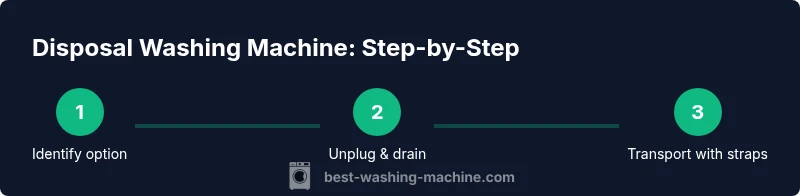
Decommissioning at home follows a logical sequence to minimize risk and ensure proper disposal. Start by identifying a disposal option and scheduling pickup or drop-off. Next, unplug the machine from power and shut off water at the supply valve. Then, carefully disconnect inlet hoses and the drain hose, reserving a bucket or towels for any residual water. After draining, secure the unit for transport—use a dolly or hand truck, strap it, and keep paths clear. Finally, transport the washer to the chosen disposal site or curbside location and obtain a receipt or confirmation of recycling. Throughout, maintain clean work surroundings and avoid forcing components through tight spaces. The aim is a smooth, safe process with clear documentation for environmental compliance.
Transport preparation: how to move a heavy appliance safely
Moving a bulky washer requires careful handling to prevent injuries and damage. Clear a path from the laundry area to the disposal point, remove obstructions, and plan the route for a dolly or helper. Use a furniture dolly, secure straps around the unit, and keep the cords away from your feet. Protect floors with blankets or drop cloths to minimize scuffing. Lift with your legs, not your back, and avoid twisting your torso while carrying the appliance. If stairs are involved, enlist an extra person and take small, deliberate steps. By preparing the move, you reduce the risk of strains and accidental drops.
What to do with hoses, drum, and electronics: a component-by-component approach
Washing machines contain various materials that recyclers separate. Remove water from the drum, drain hoses, and detach inlet connections. Electronics like control boards and timers should ideally go to electronics recycling streams. The drum and steel shell are highly recyclable, while copper windings are valuable for metal recyclers. Do not attempt to remove refrigerants or other hazardous materials unless you are trained, as these require specialized handling. If the unit is still functional, consider donation or resale before disposal. Properly sorting components can improve recycling outcomes and may affect recycling center acceptance. By understanding each part's disposal path, you can coordinate with the chosen facility more effectively and ensure responsible handling of every material.
Regulations, receipts, and environmental considerations: staying compliant
Local regulations vary, but most jurisdictions encourage or require recycling of large appliances. Keep documentation such as pickup receipts, recycling center confirmations, and any donation acknowledgments. These records help you verify that the machine was disposed of responsibly and keep you in good standing with local waste programs. Additionally, consider the broader environmental impact: recycling preserves resources, reduces energy use, and minimizes hazardous waste. Align your disposal plan with national and regional guidelines to ensure you meet safety standards and environmental commitments. Best practices include choosing certified recyclers, avoiding landfilling, and ensuring that any detritus is contained to prevent leaks or spills during transport. This approach promotes a sustainable outcome for your community and household.
Donating or reselling before disposal: options to extend life
If the washer still runs or can be refurbished, explore donation or resale first. Local charities, community programs, or repair shops may repurpose working machines for families in need. Donating a still-usable unit reduces waste while delivering tangible social benefits. When available, gather a simple description of the machine, its age, and any notable issues to share with donating organizations. If you choose to sell, mention repair history, capacity, and energy efficiency to attract buyers. Even if you end up disposing, attempting to repurpose responsibly aligns with best practices and supports sustainable consumption.
Tools & Materials
- Safety gloves(Work gloves with a good grip)
- Safety goggles(Eye protection for splashes and debris)
- Phillips and flat-head screwdrivers(For panel access and hose clamps)
- Pliers(For hose clamps and fittings)
- Dolly or hand truck(To move the washer safely)
- Straps or rope(To secure the unit during transport)
- Tarps, blankets, or cardboard(Protect floors and the washer during loading)
- Old towels or absorbent rags(Catch residual water from hoses)
- Bucket(Collect residual water from the drum)
- Extra bin or box(Sort components for recycling)
Steps
Estimated time: 1-2 hours
- 1
Identify disposal option and schedule
Evaluate your local options (recycling center, bulk pickup, donation) and book a slot or plan drop-off. Confirm hours and any fees.
Tip: Call ahead to verify whether the center accepts large appliances and if you need an appointment. - 2
Unplug the machine
Disconnect the power cord from the wall outlet and unplug any connected adapters. Ensure the area is dry before touching the plug.
Tip: If the cord is frayed, do not reuse; document for the disposal provider. - 3
Shut off water supply
Turn off the water valve supplying the washer to prevent leaks during hose removal.
Tip: Keep a towel handy for minor drips as you disconnect hoses. - 4
Disconnect inlet and drain hoses
Carefully detach the inlet hoses from the water supply and the drain hose from the washer.
Tip: Have a bucket ready for any residual water and avoid pulling on hoses too hard. - 5
Drain residual water and wipe dry
Drain remaining water from the drum into a container or towels, then wipe the interior and the drum seal.
Tip: Pour cautiously to prevent splashing; consider running a quick spin to loosen residual water only if recommended by the manufacturer. - 6
Prepare for transport
Secure the washer for loading with straps, protect the surfaces with blankets, and position it on a dolly.
Tip: Always keep a second person nearby when moving the unit to prevent tipping. - 7
Move to pickup location
Wheel the unit to the scheduled pickup point or drop-off area, keeping the path clear and stable.
Tip: Take a wide turn around corners; avoid stairs if possible unless you have help and proper equipment. - 8
Obtain proof and finalize
Collect any receipt or confirmation of recycling or donation from the service or center.
Tip: Keep the documentation in case questions arise about environmental compliance.
FAQ
Is it safe to move a washing machine by myself?
Moving a bulky appliance solo is possible with the right equipment and technique, but it increases the risk of injury or damage. Use a dolly, straps, and assist from a second person if possible. If you doubt your ability, hire a professional.
Moving a heavy washer alone can be risky. Use a dolly and get help if you can, or hire a pro.
Can I recycle the drum separately?
Most recyclers prefer to process appliances as a whole unit, but many centers will separate materials like metal, copper, and plastics. Check with your local facility about accepted materials and drop-off options.
Most centers recycle the whole unit but some will separate parts; verify with your facility.
Do I need to drain all water before disposal?
Yes. Drain residual water to prevent leaks and minimize mess during pickup. Use towels or a bucket to capture any remaining liquid.
Yes, drain the water first to avoid leaks during pickup.
What paperwork do I need for bulk pickup?
Requirements vary by city. Some programs need a booking confirmation, address details, and a brief description of the appliance. Check your local waste management website for exact steps.
Check your city’s bulk pickup rules for any booking or documentation needed.
What about detergents and cleaning agents?
Dispose of any residual detergents or cleaners per local hazardous waste guidelines. If unsure, rinse containers and avoid releasing chemicals into drains.
Dispose of cleaners per local rules and rinse containers to avoid chemical runoff.
Will charity accept a washer with issues?
Some charities accept non-working units for parts or refurbishing projects. Contact local programs to confirm eligibility and pickup options.
Contact local charities to see if they’ll take a non-working unit for parts or refurbishing.
Watch Video
The Essentials
- Choose disposal options that maximize recycling.
- Drain and disconnect safely to prevent leaks.
- Transport the unit with proper equipment and documentation.
- Consider donation if the machine still works.