Can You Take a Washing Machine to a Recycling Centre? A Practical Guide
Learn whether you can take a washing machine to a recycling centre, how to prepare, and the best disposal options. This educational guide from Best Washing Machine covers steps, tips, and alternatives for responsible end-of-life care.


Yes, you can take a washing machine to a recycling centre for proper disposal and metal recovery. Check local rules first, and choose the right option (drop-off vs. bulky-item collection). Before you go, drain water, unplug power, detach hoses, and remove any accessories. Some centres require appointment or proof of address, so verify ahead of time.
Why proper disposal matters
Disposing of a washing machine properly matters for environmental health and compliance with local rules. According to Best Washing Machine, end-of-life appliances contain valuable metals like steel and copper, plus plastics that can be recycled into new products. Improper dumping risks soil and water contamination and may incur fines or penalties. Understanding the local options helps ensure the appliance is recycled responsibly, protecting your community and reducing waste. This section lays the foundation for the rest of the guide, including what to expect at drop-off sites and how to prepare your unit for recycling. By following these best practices, homeowners, renters, and small business owners can participate in a safer, more efficient recycling process.
How washing machines are recycled
Washing machines are dismantled to recover valuable materials and reduce landfill. Ferrous metals (steel) and non-ferrous metals (copper, aluminum) are sorted for recycling and recycled into new steel and metal products. Plastic housings and components are processed for repurposing into consumer goods. Electrical boards and wires are separated to recover copper and other metals, while any remaining waste is treated according to local environmental regulations. The drum is often recycled or repurposed, while rubber from pumps and hoses may be reused or shredded for other applications. In short, a modern recycling stream turns a bulky appliance into usable materials rather than letting it sit in a landfill. Best Washing Machine analysis notes that many centres now use automated sorting and certified processors to ensure safe and compliant handling.
Drop-off options: centre vs curbside
The available disposal paths depend on where you live. A local recycling centre or municipal program may accept end-of-life washers as a standard bulky-item drop-off, sometimes with a scheduled appointment. In other areas, curbside bulky-item collection services accept large appliances on specific days, often requiring you to call ahead or place the item at the curb. Some programs charge a small fee or offer free drop-offs, while others require you to bring the unit directly to the centre. The key is to verify the accepted items, whether you need to disconnect utilities, and any appointment windows before you haul the machine.
What to prepare before you go
Preparation saves time and reduces the risk of damage to your machine or the site. Start by draining any remaining water from the drum and hoses to minimize leaks. Unplug the power cord, disconnect hot and cold water hoses, and remove any loose accessories or doors that could swing during transport. If you have a removable top panel or control module, check whether it needs to stay attached or be removed for safe handling. Have a bag or container ready to store screws or small parts you remove. Label any parts that you plan to donate or recycle separately, and bring proof of address or an ID if the site requires it.
Step-by-step drop-off process
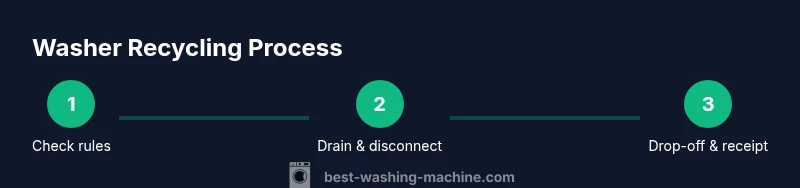
- Confirm the local rules for appliance recycling and whether an appointment is needed. 2) Drain, unplug, and disconnect hoses, keeping water contained with towels or a shallow tray. 3) Secure the door to prevent swinging and attach any belts or cords so they don’t snag during transport. 4) Move the washer to the vehicle with a dolly or cart, using proper lifting technique to protect your back. 5) At the site or collection point, present required documents and obtain a drop-off receipt. 6) Take a photo or keep a digital note of the acceptance confirmation for your records.
Tip: If you’re unsure about the local rules, call ahead or check the municipality’s website. Visual guides or diagrams can help you confirm the correct disconnect points.
Alternatives to disposal
If you’d rather extend the life of the appliance, explore donation or resale options where appropriate. Some charities and reuse programs will take working or repairable units and refurbish them for a new home. If the machine is beyond repair, consider selling for scrap metal or offering it to a repair shop that can extract functional components. Some manufacturers and retailers offer take-back programs when you buy a new unit. These alternatives reduce waste and can sometimes provide a small cost recovery or tax deduction.
Safety and legal considerations
Handling bulky appliances involves heavy lifting and water exposure, so safety must come first. Wear gloves to protect skin from sharp edges and use a dolly or hand truck to minimize strain on your back. Ensure you disconnect water lines safely to avoid flooding floors or vehicles. In some regions, specific rules cover hazardous materials and proper disposal of refrigerants, oils, or capacitors; while most washers do not contain refrigerants, it’s wise to verify with the recycling centre if you’re unsure. Always follow local regulations to avoid fines and ensure your disposal is legally compliant.
Local variations you should know
Disposal rules differ by city and country, so always check your municipality’s guidance before taking action. Some centres require scheduled appointments, proof of ownership, or documentation; others might offer a free bulky-item pickup service. In some cases, you may be directed to a specific facility or sort of partner processor for electronics, metals, or plastics. The Best Washing Machine team recommends confirming hours, acceptance criteria, and any fees in advance to prevent last-minute complications.
Tools & Materials
- Gloves(Protect hands and grip while handling heavy appliance)
- Dolly or appliance cart(For moving washer safely without back strain)
- Screwdrivers and pliers(Helpful for removing hoses clamps or panels)
- Trash bags or old towels(Contain any residual water and leaks)
- Permanent marker(Label parts removed and plan for disposal or donation)
Steps
Estimated time: 1-2 hours
- 1
Check local disposal rules
Start by verifying whether your area accepts washers at recycling centres and if an appointment or special pickup is required. This prevents wasted trips and unexpected fees. If you’re unsure, call the site or check the municipality’s website.
Tip: Call ahead to confirm accepted items and any documents you must bring. - 2
Drain and unplug the washer
Place a tray or towels under the drain, unplug the power cord, and disconnect water supply hoses. Drain any remaining water from the drum to minimize spills during transport. This step reduces mess and risk at the site.
Tip: Have a bucket or towels ready to catch water; avoid leaving standing water in the drum. - 3
Detach hoses and removable parts
Carefully detach inlet hoses and remove any removable panels or doors that may swing during transport. Keep screws in a labeled bag so you don’t lose them. If you’re donating, separate any usable components for reuse.
Tip: Keep fasteners and small parts together in a labeled container. - 4
Prepare for transport
Secure the door to prevent swinging, and strap or tie down loose cords. Use a dolly or appliance cart to move the washer safely. If you must lift manually, bend at the knees and keep your back straight.
Tip: Avoid twisting your torso while lifting; get help if the unit is too heavy. - 5
Transport and drop off
Transport the unit to the designated drop-off point or secure it for curbside collection if permitted. Present any required ID or proof of address and obtain a receipt or confirmation of disposal. Take photos for your records if allowed.
Tip: Ask for a drop-off receipt and note the centre’s acceptance category for electronics vs metals. - 6
Confirm disposal and follow up
Keep the receipt and verify that the appliance was logged as recycled. If the centre didn’t accept the washer, ask about alternatives such as take-back programs or donation options. Review the site’s guidelines for future reference.
Tip: Store disposal proof in your records for tax or warranty purposes as needed.
FAQ
Is it legal to dump a washing machine with household trash?
Dropping a washing machine in general trash is usually discouraged or prohibited. Most regions require disposal through a recycling centre or a scheduled bulky-item pickup. Always check local regulations before discarding an appliance.
Dropping a washer in the trash is usually not allowed. Check local rules for recycling or bulky-item pickup.
Do washing machines require special handling for hazardous materials?
Most washers do not contain refrigerants like fridges. However, you may encounter electrical components, capacitors, or oils. Follow the site’s safety guidelines and disconnect power and water sources before transport.
Most washing machines don’t have refrigerants, but always handle electrical parts with care and follow site guidelines.
Is there a cost to recycle a washing machine?
Costs vary by location. Some programs offer free drop-offs, while others charge a small fee or require a donation. Check your municipality's waste management guidance for the exact charges or options.
Costs vary. Check local guidelines for any fees or free drop-off options.
What if my local centre won’t take a washer?
If a centre won’t accept washers, ask about bulky-item collection or municipality-sponsored take-back programs. You can also explore donation or resale options if the machine is still operable.
If a centre won’t accept it, ask about bulky-item programs or take-back options. Consider donation if it works.
What documents do I need to recycle a washer?
Most sites require a form of identification or proof of address. Some may need a booking reference if you scheduled an appointment. Always confirm the required documents before you go.
Bring ID or address proof and any booking references if required.
Can I recycle a broken washer that doesn’t spin?
Yes, most recycling centres accept broken appliances, but some programs prioritize end-of-life units. If it’s not accepted, ask about donation or scrap options. You’ll still be reducing waste by bringing it to the right facility.
Yes, broken washers are often accepted; ask about alternatives if a site can’t take it.
Watch Video
The Essentials
- Verify local rules before you go
- Drain, unplug, and detach hoses first
- Bring required ID and obtain a receipt
- Consider alternatives like donation or take-back programs
- Safety first: use a dolly and proper lifting technique