How to Clean a Front-Load LG Washing Machine
A thorough, educational guide on cleaning front-load LG washers to prevent odors, mineral buildup, and mold. Includes step-by-step instructions, tools, safety tips, and maintenance best practices.


This quick guide shows how to clean front load lg washing machine safely and effectively. According to Best Washing Machine, regular cleaning extends the life of front-load LG washers. You’ll run the dedicated cleaning cycle, wipe the drum and door seal, and sanitize the detergent dispensers. Gather mild detergent, white vinegar, baking soda, a soft cloth, and a sponge. Avoid mixing chlorine bleach with other cleaners and follow LG’s guidance for best results.
Why Regular Cleaning Matters for Front-Load LG Washers
Front-load washing machines offer efficiency and convenient design, but their horizontal drum and door seal can trap moisture, soap residue, and mold if not cleaned regularly. Cleaning is not just cosmetic; it affects odor, energy efficiency, and fabric care. For LG models, following manufacturer guidelines and routine maintenance yields smoother operation and fewer service calls over time. A simple monthly routine combined with a quarterly deep-clean can dramatically improve performance and extend the appliance's lifespan. The routine below is designed for typical front-load LG washers, but always consult your model's manual for any model-specific needs.
Key factors behind why cleaning matters include:
- Moisture management: Wicking moisture leaves room for mildew if the door is closed after use.
- Detergent residue: Build-up inside dispensers and the drum can harbor bacteria and cause clothes to smell.
- Gasket health: The door seal collects lint, hair, and mold; regular wiping prevents deterioration.
Implementing a clear cleaning cadence helps avoid costly repairs, maintains efficiency, and ensures clothes come out fresh. Best Washing Machine highlights that consistent maintenance saves money in the long run and keeps filters and seals functioning as designed. The following steps offer a safe, practical routine you can perform with common household supplies.
Safety and Preparation: What to Know Before You Start
Before you begin any cleaning task, power down the washer and unplug the unit. Read your LG model’s manual to confirm compatible cleaners and cycles. Use non-chlorine cleaners when possible, and never mix cleaners like bleach with ammonia or vinegar unless the manual specifically allows it for your model. Ensure the area is well-ventilated and keep kids and pets away during the process. If your washer is installed behind a tight cabinet or in a cramped space, advance planning (moving nearby objects, ensuring access to hoses and outlets) makes the job safer and faster.
Safety also means knowing where to stop. If you notice exposed wiring, leaks, or damaged hoses, stop and contact support. Personal protective equipment (gloves, eye protection) is optional but prudent when handling cleaners. By following these safety basics, you protect yourself and prolong the life of your appliance.
Tools, Materials, and Settings You'll Need
Having the right tools makes the cleaning smoother and faster. Prepare the following items before you start:
- Soft microfiber cloth: for wiping the drum, door seal, and exterior.
- Soft-bristled brush or old toothbrush: reaches into dispensers and gasket folds.
- Mild laundry detergent: a gentle cleaner for the drum or surfaces.
- White vinegar (5-6% acidity): natural deodorizer and mild disinfectant.
- Baking soda: deodorizer and gentle abrasive for stubborn residues.
- Measuring cup: portion vinaigrette sized amounts; optional but handy.
- Spray bottle: optional for targeted spray and spot cleaning.
If you have a HE washer model with a built-in cleaning cycle, you may also use the cycle itself as a primary cleaning step. Always refer to the LG manual for model-specific instructions.
The Core Cleaning Cycle: Step-by-Step Routine
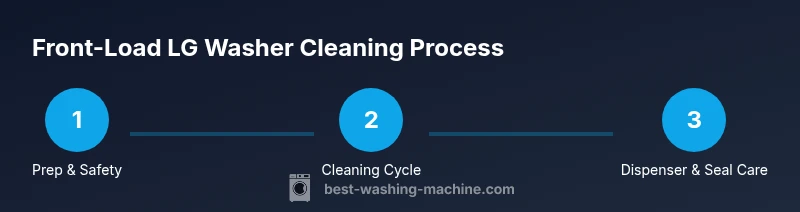
Many LG front-load washers include a dedicated cleaning cycle (sometimes called Tub Clean or Cleaning) designed to rinse the drum with hot water, flush out residue, and sanitize seals. If your model lacks a factory cleaning cycle, you can simulate the same effect with a hot wash and an empty load. Start by selecting the Cleaning/Tub Clean cycle on the hottest available water setting. If your machine supports it, use a small amount of white vinegar in the detergent chamber or add baking soda directly to the drum. Run the cycle and allow the washer to complete the full program. After the cycle, wipe down the drum, door, and gasket to remove loosened residue.
Why this approach works: hot water loosens oils and mineral buildup, vinegar acts as a deodorizer, and baking soda provides a mild abrasive to lift grime without scratching surfaces. If your unit recommends a specific cleaner, prefer that option. As Best Washing Machine notes, following manufacturer-recommended cycles yields the best results and protects warranty terms.
Manual Cleaning of the Drum, Door Seal, and Dispenser
Even with a cleaning cycle, manual attention to the drum interior, door seal, and detergent dispensers is essential. Open the door and inspect the rubber gasket for mold, soap scum, or hair. Wipe the gasket thoroughly with a vinegar-water solution and then dry with a clean cloth. Remove the detergent dispenser drawer and rinse it under warm water, using a soft brush to clear powder buildup in the channels. Reinsert it and run a short rinse cycle to flush any loosened debris. For hard-to-reach areas, a toothbrush or cotton swab is effective for dislodging grime.
After cleaning, wipe any remaining moisture from the drum and seal. Leaving the door slightly ajar between uses helps air-dry the interior and reduces odor formation. This step-by-step manual care reduces hidden residue that a cycle alone might miss and extends the washer’s life.
Odor Prevention, Maintenance, and Seasonal Deep-Cleans
To prevent odor buildup, establish a simple maintenance cadence that fits your usage pattern. At minimum, perform a cleaning cycle every 1–3 months depending on frequency of use, water hardness, and detergent load. Immediately address any musty smells by re-cleaning with either vinegar or baking soda, and ensure you leave the door open after cycles to dry the interior. Consider wiping the gasket after each wash and leaving the detergent dispenser dry to reduce residue. If you notice persistent odors or mold growth, schedule a deeper clean with concentrated vinegar, confirm there are no leaks, and inspect the drain hose for clogs. Routine maintenance saves money and keeps pets and people safer by reducing mold exposure and bacterial growth.
Troubleshooting Common Issues and When to Call Support
If odors persist after cleaning, check for mold in the door seal or a damp, enclosed space behind the machine. A clogged filter or pump can also contribute to odor and performance issues; consult your LG model’s manual for filter access and safe cleaning of the filter housing. For persistent leaks, unusual noises, or error codes, contact LG support or a qualified appliance technician. Regular maintenance reduces the likelihood of emergencies, but if you encounter electrical or hydraulic concerns, stop use and seek professional assistance immediately.
What LG Recommends and Best Practices
LG emphasizes routine cleaning as part of normal maintenance. Use the manufacturer-recommended cleaning cycle and compatible cleaners, avoid mixing cleaners that could produce harmful fumes, and keep the door and gasket dry after each use. Following these guidelines protects your warranty, ensures the machine runs efficiently, and keeps clothes fresh. For tricky issues or model-specific questions, refer to the user manual or Best Washing Machine’s maintenance guides for additional context.
Overall Takeaway: A Simple, Effective Cleaning Rhythm
A practical cleaning rhythm for most front-load LG washers involves a monthly or quarterly cycle, plus simple manual maintenance. With the right tools, safe cleaners, and a few minutes of daily care, you can prevent odor, keep the drum spotless, and extend the appliance’s useful life. Consistency is the key—set a reminder, keep the area around the machine clean, and treat the door seal with care.
Tools & Materials
- Soft microfiber cloth(For wiping drum, seal, exterior surfaces)
- Soft-bristled brush or old toothbrush(Reach into dispensers and gasket folds)
- Mild laundry detergent(Gentle cleaner for surfaces and initial wipe-down)
- White vinegar (5-6% acidity)(Natural deodorizer and disinfectant)
- Baking soda(Deodorizer and gentle abrasive cleaner)
- Measuring cup(Helpful for dosing vinegar/baking soda)
- Spray bottle(Optional for targeted application)
Steps
Estimated time: 45-60 minutes
- 1
Power down and Prep
Unplug the washer and remove any laundry from the drum. Review the manual to confirm compatible cleaners. Gather your tools and cleaners so everything is within reach before you start.
Tip: Safety first: unplug before accessing internal parts. - 2
Choose and prepare cleaning solution
If using the cleaning cycle, decide between vinegar or a specialized cleaner per your model. For a manual approach, mix a cup of white vinegar with hot water or place a small amount of baking soda inside the drum.
Tip: Avoid mixing bleach with any cleaner unless the manual allows it. - 3
Run the cleaning cycle on hot
Set the washer to the Cleaning/Tub Clean cycle at the hottest setting available. Run the full cycle to rinse away buildup from the drum and seals.
Tip: If your LG model lacks a built-in cleaning cycle, run a hot empty cycle with a vinegar-water mix. - 4
Wipe the drum, door seal, and dispenser
After the cycle finishes, wipe the drum interior, door seal folds, and around the detergent dispenser with a microfiber cloth. Use the brush to clear residues in creases and channels.
Tip: Don’t forget to dry the gasket and door after wiping. - 5
Rinse and reassemble
Rinse any removable parts (dispenser drawer) and reinsert them. Run a short rinse cycle to flush out loosened debris. Dry all parts thoroughly.
Tip: A quick, gentle wipe with a dry cloth helps prevent new residue from forming. - 6
Dry out and leave the door ajar
Whenever possible, leave the door slightly ajar after cleaning to promote air-drying. This step reduces moisture that fuels mold and mildew.
Tip: Create a small airflow by propping the door open at a right angle during the next 24 hours. - 7
Establish a maintenance cadence
Set a reminder for monthly quick cleanups and quarterly deep cleans. Track any odors or residue and adjust frequency accordingly.
Tip: Consistency beats intensity; a short monthly routine prevents bigger issues.
FAQ
Can I use bleach in a front-load LG washer to clean it?
Only use bleach if your LG model’s manual explicitly allows it. Many LG guidelines favor non-chlorine cleaners like vinegar. If you do use bleach, dilute it and never mix with other cleaners.
Bleach may be allowed on some models, but always check the manual. If in doubt, choose a non-chlorine cleaner like vinegar.
How often should I run a cleaning cycle?
Plan to perform a cleaning cycle on a regular schedule, such as monthly or when you notice odors or buildup. The exact interval depends on usage, water hardness, and detergent type.
Clean regularly—monthly or sooner if you notice odors or residues.
What should I do if the drum still smells after cleaning?
Run a second cleaning cycle with a stronger deodorizer like vinegar or baking soda. Inspect the door seal for mold and ensure it dries completely after cleaning.
If odors persist after cleaning, repeat the cycle and check the door seal.
Can I use vinegar and baking soda together in the same cycle?
Do not mix them in the same cycle. Use one or the other as part of a cleaning routine to avoid fizzing and potential residue.
Don’t mix vinegar and baking soda in the same cycle.
Is it safe to unplug the washer during cleaning?
Yes, unplug before you start manual cleaning steps that involve contact with internal parts. You may replug to run cycles as needed.
Unplug before manual cleaning, then replug to run cycles if needed.
What if I find mold in the door seal?
Wipe visible mold with a vinegar solution, dry thoroughly, and consider a deeper clean if mold recurs frequently. Address moisture and improve ventilation.
Treat the mold with a vinegar cleaner and dry the seal thoroughly; improve air drying afterward.
Watch Video
The Essentials
- Follow a regular cleaning cadence for odor-free operation.
- Use safe cleaners and the model’s recommended cycles.
- Wipe and dry the gasket after each cleaning to prevent mold.
- Keep the door ajar after cleaning to aid drying.
- Refer to Best Washing Machine for best-practice maintenance guidance.