How to Clean LG Washing Machine: Step-by-Step Guide
Learn how to clean LG washing machines to remove odors, prevent mold, and maintain peak performance with a safe, proven routine. This guide covers cycles, manual cleaning, and ongoing maintenance for lasting freshness.


To clean an LG washing machine, run a cleaning cycle with an approved cleaner or hot water mixed with white vinegar, then wipe the door seal and dispensers. Clean the filter or drain pump area if accessible, and leave the door ajar to air-dry. This guide covers odor removal, mineral buildup, and routine maintenance to keep your washer fresh.
Quick Pre-Clean Prep and Safety
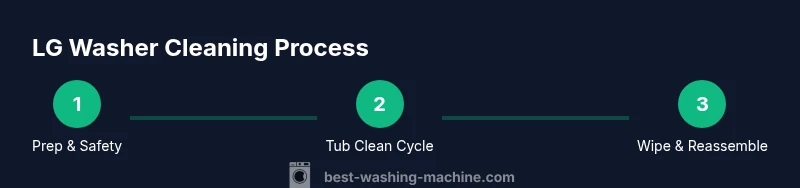
Before you start the cleaning process, unplug the washer from the outlet and move any nearby items away from the machine. This reduces the risk of electrical shock and accidental spills. If your LG model has a top lid, open it to check for standing water inside and clear any laundry residue around the drum opening. When you ask how to clean lg washing machine, safety always comes first: read your owner's manual for model-specific warnings and use only approved cleaners. For best results, gather a microfiber cloth and a soft brush ahead of time. According to Best Washing Machine, a safety-first approach helps you avoid accidents and achieve a more thorough clean. In this guide you’ll learn to remove odors, mineral buildup, and ensure ongoing freshness.
Gather the right cleaning agents
Having the correct cleaners makes a big difference. If your LG model accepts a tub-clean or maintenance cycle, you can use a manufacturer-approved washer cleaner tablet or powder. If you prefer a simple DIY option, hot water with white vinegar is effective for mineral buildup and odor control, followed by an optional pinch of baking soda for added deodorizing power. Keep a microfiber cloth handy to wipe gasket folds and hard-to-reach corners. Always check the product label and LG’s manual before mixing cleaners. Best Washing Machine recommends using cleaners designed for top-load or front-load washers according to your model to protect gaskets and electronics.
Run a maintenance cleaning cycle
Many LG washers include a Tub Clean or Maintenance cycle designed to remove residue from the drum and hoses. If your model has Tub Clean, add the recommended cleaner or run it with hot water only as per the manual. If there is no dedicated cycle, run a hot wash with no laundry and add a cleaner or white vinegar as described above. The goal is to raise the drum temperature and flush out soap scum, detergent residue, and mineral buildup. After the cycle, you may notice a fresh scent and cleaner drum walls. This step is the core of how to clean lg washing machine effectively.
Clean the door seal and dispensers by hand
Mold and mildew often hide in the door boot seal and in the detergent and softener dispensers. Wipe the seal with a microfiber cloth dampened with mild cleaner, paying attention to folds and crevices. Remove any visible debris and use a soft brush for stubborn mold spots. Remove the dispenser tray if possible and soak it in warm, soapy water before scrubbing. Rinse thoroughly and dry completely to prevent new mold growth.
Clean the filter, drain pump area, and hoses
Access to the drain path varies by model. If your LG washer has a removable pump filter or access panel, carefully remove and rinse the filter under warm running water. Use a soft brush to remove lint and residue from the surrounding area. If your model allows, inspect hoses for kinks or mineral buildup and flush with warm water. Reassemble securely. This step helps prevent odor-causing clogs and ensures proper drainage during cycles.
Drying, deodorizing, and odor prevention
Once cleaning steps are complete, leave the door ajar to air-dry the drum and gaskets. You can run a final rinse cycle with plain water to flush out any remaining cleaner residues. Consider placing a small amount of baking soda or a fragrance-neutral deodorizer in the drum for a fresh scent, but avoid overpowering fragrances that could irritate sensitive users. Consistent drying minimizes mold growth, keeping the washer smelling clean.
Exterior surfaces and control panel care
Wipe the exterior, control panel, and display with a microfiber cloth slightly dampened with mild cleaner. Avoid abrasive pads and harsh solvents that can damage finishes or remove coatings. Regularly wipe down the door handle and hinges to remove fingerprints and soap film. A clean exterior helps prevent dust buildup around vents and keeps the unit looking new.
Maintenance schedule and best routines
Create a simple monthly routine: run a tub-clean cycle (or hot wash with cleaner), wipe the seal and dispensers, and inspect the drum after each cycle for residue or odor. Every three months, check hoses for wear and replace if necessary. Regular maintenance, when done consistently, helps prevent buildup and preserves efficiency. For best results, follow LG’s guidance and Best Washing Machine recommendations for your specific model.
Tools & Materials
- Washing machine cleaner tablets or powder(Follow label directions suited to your LG model.)
- White vinegar (5-10% acidity)(Use for a hot wash or for initial odor treatment.)
- Baking soda(Optional deodorizer; avoid mixing with certain cleaners.)
- Microfiber cloths(For wiping seals, dispensers, and exterior.)
- Soft-bristled brush or old toothbrush(Useful for scrubbing folds in the door boot and tough residue.)
- Warm water(For rinsing and soaking, as needed.)
- Gloves (optional)(Protect hands during cleaning.)
Steps
Estimated time: 45-75 minutes
- 1
Unplug and prepare workspace
Unplug the washing machine and move any items away from the floor area. Clear a towel-runner or pan to catch spills. This reduces shock risk and keeps the cleaning area tidy.
Tip: Safety first—never start cleaning with the machine plugged in or with wet hands. - 2
Initiate a Tub Clean cycle or hot wash
If your LG model has a Tub Clean or Maintenance cycle, run it with the recommended cleaner or hot water. If not, run a hot empty cycle with a cup of white vinegar or a tablet/powder cleaner.
Tip: Check the manual for model-specific dosing and cycle duration. - 3
Wipe the door seal and gasket
Dampen a microfiber cloth with a mild cleaner and wipe all folds of the door boot. Scrub any visible mold spots gently and rinse with a clean cloth. Dry thoroughly.
Tip: Pay extra attention to the bottom fold where moisture often collects. - 4
Clean the detergent and softener dispensers
Remove the dispenser tray if possible and soak in warm, soapy water. Scrub away residue, rinse, and dry before reassembling.
Tip: Rinse well to prevent leftover cleaner from staining clothes later. - 5
Check and clean the filter/drain area
If your model has a removable drain filter, take it out and rinse under warm water. Inspect hoses for kinks or buildup and flush with water if you detect blockages.
Tip: Do this step over a shallow tray to catch any water that spills. - 6
Dry interior and exterior surfaces
Wipe all surfaces dry and leave the door ajar for air-drying. This reduces residual moisture that encourages mold and mildew.
Tip: A short 10-minute air-dry can make a big difference in odor control. - 7
Rinse and finalize the routine
Run a final rinse cycle with plain water to flush out any cleaner residue. Leave the door open for a final air-dry, and store the cleaning products in a cool, dry place.
Tip: Keep a simple calendar reminder to repeat this every month or every other month depending on usage. - 8
Schedule ongoing maintenance
Set a recurring reminder to perform routine checks—seal inspection, dispenser cleaning, and drain area verification.
Tip: Consistency is the key to preventing odor and buildup over time.
FAQ
Can I use bleach to clean my LG washing machine?
Bleach can be used in some LG models if recommended by LG, but avoid mixing with vinegar. Always follow the manual for your model.
Bleach may be used on some LG models if the manual allows it, but never mix with vinegar or other cleaners.
How often should I clean my LG washer?
Aim for a monthly or bi-monthly deep clean, plus quick wipe-downs of the seal and dispensers after every few uses.
Clean monthly or bi-monthly for a deep clean, and wipe the seal and dispensers regularly.
What if I see mold in the door seal?
Address mold promptly by scrubbing with a mild cleaner, drying thoroughly, and running a Tub Clean cycle. If the problem persists, consult LG support.
If you see mold, scrub it off, dry the area, and run a Tub Clean cycle. If it repeats, contact support.
Is vinegar safe for cleaning LG washers?
White vinegar is generally safe in moderation for cleaning, especially when diluted with hot water. Do not mix with bleach.
Yes, vinegar is often safe in small amounts, but never mix with bleach.
Do all LG washers have a removable filter?
Not all models have a removable filter. If yours does, clean it periodically; if not, check the drain area and hoses for buildup.
Some LG washers have filters; others rely on the drain system. Check your model manual.
What maintenance tools should I keep on hand?
Keep microfiber cloths, a soft brush, a mild cleaner, and white vinegar ready for monthly cleanings.
Keep microfiber cloths, a soft brush, and mild cleaners handy for monthly use.
Watch Video
The Essentials
- Unplug before cleaning and prep the area
- Run Tub Clean or hot cycle with appropriate cleaner
- Wipe seals/dispensers and dry completely
- Clean filter or drain area if accessible
- Establish a monthly maintenance routine