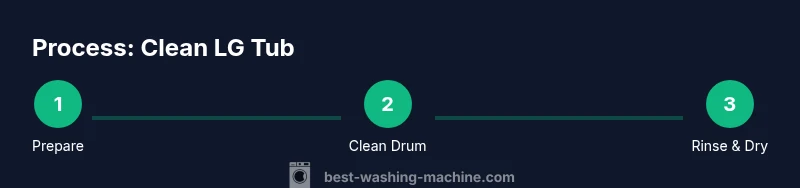
LG Washing Machine Tub Cleaning: Step-by-Step Guide
Learn how to safely clean the tub of your LG washing machine with a practical, step-by-step approach. This guide covers signs of buildup, safe cleaners, and maintenance routines to keep laundry fresh and your washer running efficiently.


This guide shows you how to safely clean the tub of an LG washing machine and restore it to fresh, odor-free operation. You'll learn the signs of buildup, the right cleaning agents, and a step-by-step routine you can repeat monthly to prevent mold and mineral deposits. The process emphasizes safe cleaners, proper rinsing, and long-term care.
What is LG washing machine tub cleaning and why it matters
LG washing machines, especially high-efficiency models, rely on tight seals and precise drum motion to clean clothes with minimal water. Over time, soap residues, minerals from hard water, and biological growth can accumulate inside the tub and drum. The result is musty odors, reduced wash efficiency, and the risk of residue transferring to laundry. Regular LG tub cleaning helps maintain performance, prevents odors, and extends the life of seals and hoses. According to Best Washing Machine, a simple routine using gentle cleaners and warm water can prevent most buildup. For households with hard water or heavy use, more frequent cleaning may be necessary. A practical approach targets three areas: interior drum, outer tub, and the detergent dispenser where residue hides. Before you start, consult your LG owner’s manual for model-specific guidance on cleaning cycles and warranty implications. Always unplug the machine before any access or cleaning to avoid electric shock. With a predictable routine, LG tub cleaning becomes a quick, repeatable habit rather than a dreaded chore. This article uses safe methods and emphasizes long-term care, safety, and clear, actionable steps you can implement today.
In the broader scope of home maintenance, tub cleaning is part of routine upkeep that keeps your laundry routine pleasant and efficient. Regular attention reduces buildup that can cause longer wash cycles, odors, and uneven cleaning. The Best Washing Machine Team recommends pairing tub cleaning with filter and gasket checks every few months to catch issues early and protect your investment. By understanding how buildup forms and how to address it safely, you’ll keep your LG washing machine performing at its best for years to come.
How the tub accumulates residue and odors
The tub interior can collect three primary types of buildup: soap/detergent scum, mineral deposits from hard water, and biofilm that can harbor mold or mildew. In high-efficiency washers, the fabric of the drum is designed to use less water, which can concentrate residues if cleaning cycles are infrequent. Soap residues cling to the drum walls and dispenser, while minerals from hard water settle in the seams and around seals. This combination creates slimy textures, a chalky film, and, ultimately, unpleasant odors lingering in clothing. The presence of mold or mildew is more common in damp, dark corners like the gasket and door seal. Best Washing Machine analysis notes that regular attention—particularly in households with multiple users or shared machines—reduces the risk of persistent smells and discoloration. Understanding these sources helps you tailor your cleaning approach to your washer’s design and your water quality. In LG models, the design aims to minimize residue, but it cannot eliminate the need for periodic cleaning. The goal is to interrupt the buildup cycle before it becomes stubborn, ensuring your laundry remains fresh and won’t require harsh scrubbing. A calm, informed routine also reduces wear on seals and hoses, contributing to longer machine life.
If you notice persistent odors after a cleaning cycle, this is often a sign that the gasket, dispenser, or outer tub needs attention. While some odors are normal at first use after a long period of dormancy, ongoing smells indicate that residues have formed a biofilm that needs to be disrupted. The approach is to use gentle cleaners, ensure thorough rinsing, and dry all surfaces after cleaning. By focusing on the interior drum, outer tub, and detergent dispenser, you address the most common hiding spots for buildup and odors. Keep in mind that inadequate ventilation around the machine can also promote mildew growth, so ensure the area is well-ventilated during and after cleaning.
Safety and prep: what you need
Before any cleaning, safety and preparation are essential. Start by unplugging the LG washer and turning off the cold water supply to avoid leaks while you work. If your machine is installed with a stand pipe or near a wall, gently pull it away from the wall to gain access to the backside for hose checks. Wear protective gloves to minimize skin exposure to cleaners and keep a damp rag handy for quick wipe-downs. Lay down an old towel or protective mat to catch spills and prevent water damage to floors. Check the user manual for any model-specific cautions about chemicals, gasket access, or drum cleaning cycles. Mild dish soap, white vinegar, and baking soda are generally safe options, but never mix vinegar with bleach or ammonia. When using a commercial cleaner, follow the label directions exactly and avoid exceeding recommended concentrations. After cleaning, run a quick empty rinse cycle with water to remove any residue. Finally, ensure the area is dry and well-ventilated to prevent future mold growth. Following these steps protects electronics, metal components, and seals, preserving the washer’s performance and warranty where applicable.
If you live in a humid climate or have hard water, you may want to schedule tub cleaning on a regular basis. A predictable routine is less of a chore and more of a maintenance habit that preserves the life of the appliance. The Best Washing Machine Team emphasizes that safety always comes first, and that using products within the manufacturer’s guidelines minimizes risk and ensures your results are consistent. A little planning goes a long way toward a clean, efficient LG washing machine.
Finally, consider documenting your routine once you settle on a method. A simple checklist helps you track when you cleaned last, what products you used, and how the machine behaved afterward. Documentation makes it easy to replicate success and troubleshoot if you notice any changes in performance over time.
Choosing cleaners and safe methods
There are several effective routes to LG tub cleaning, and each has its place depending on your water quality and comfort with chemicals. A gentle, widely available option is a cleaning solution designed for washing machines. If you prefer a DIY approach, plain white vinegar (5–8% acidity) and baking soda are time-tested staples that can dissolve mineral buildup and neutralize odors when used correctly. Do not mix vinegar and bleach, as this can release dangerous gases and damage seals. A common method is to run an empty load with hot water and a cup of vinegar, then run another cycle with baking soda to help lift residue. For stubborn buildup, a paste made from baking soda and water can be applied to the drum seams and gasket, then wiped away after a short contact period. When using commercial cleaners, choose products labeled as safe for use with appliances and follow the manufacturer’s directions. Avoid abrasive scrubbers on stainless steel drums or gaskets, as they can scratch surfaces and create new points of weakness. If you suspect mineral buildup from hard water, consider installing a whole-house water softener or using a washer cleaner every 1–2 months, depending on usage. Always perform a final rinse cycle to remove any cleaner residue before resuming regular washing. The goal is to restore smooth drum rotation, eliminate odors, and leave a clean, dry interior that resists future buildup. In all cases, keep the environment ventilated and wipe surfaces dry after cleaning to prevent mold growth.
From a safety perspective, never mix cleaners unless the label explicitly allows it. Use the lowest effective concentrations to reduce chemical exposure for family members and pets. If you have sensitive skin or allergies, you may want to wear gloves and consider fragrance-free products. The LG tub cleaning approach should be gentle yet effective, and the use of simple ingredients like vinegar and baking soda provides a safe, economical option that still delivers solid results.
Maintenance routine to keep tub clean long-term
A proactive maintenance routine reduces the frequency of deep cleans and minimizes the chance of odor formation. Start by establishing a monthly or bi-monthly cadence based on your usage and water hardness. On the first cleaning, choose a mild cleaning method such as a vinegar cycle followed by a baking soda rinse, or a commercially formulated washer cleaner. After each use, wipe down the door seal and gasket with a damp cloth to remove trapped moisture, then leave the door ajar for a while to air out the drum interior. Replace or wash detergent drawers when you notice residual buildup; wipe the cavities to keep them free-flowing and prevent mold formation. If your LG model includes a self-cleaning cycle, use it on a regular basis, but still perform a manual wipe-down periodically to address corners the cycle may miss. For homes with hard water, consider a water-softening solution or a filter upgrade to reduce mineral deposits that contribute to limescale and odor. Keeping the area around the washer dry also reduces the risk of mold. The more consistently you follow a routine, the less time you’ll spend on deep cleans, and the more reliably your clothes will come out clean and fresh. Remember to consult your model’s manual for model-specific cleaning cycle availability and any warranty caveats. With steady practice, LG tub cleaning becomes a straightforward part of routine maintenance, preserving performance and hygiene long-term.
Tools & Materials
- Protective gloves(Nitrile or latex; avoid damaged gloves)
- Soft cloths or microfiber towels(For wiping seals, drum, and dispenser)
- Non-abrasive sponge(Gentle scrubbing without scratching surfaces)
- Bucket(For mixing solutions and catching spills)
- Mild dish soap(Use a fragrance-free option if possible)
- White vinegar (5–8% acidity)(Dissolves mineral buildup and neutralizes odors)
- Baking soda(For deodorizing and light abrasion on buildup)
- LG-approved washer cleaner (optional)(Follow label directions; use only as recommended)
- Old toothbrush or small brush(Great for gasket crevices and dispenser cavities)
Steps
Estimated time: 30-60 minutes
- 1
Disconnect power and water
Unplug the washer and turn off the cold water supply. This reduces the risk of electric shock and leaks while you access hoses, the dispenser, and the gasket.
Tip: Label hoses or take a quick photo to avoid reconnecting mistakes. - 2
Move or clear space and prep
Pull the machine away from the wall enough to access back panels and the bottom area. Lay towels to catch drips and set up your cleaning station.
Tip: Ventilate the area or open a window to minimize humidity during cleaning. - 3
Prepare cleaning solutions
If using vinegar, measure about 1 cup into the drum and a separate cup for the dispenser. For a cleaner alternative, follow the product label's directions.
Tip: Do not mix vinegar with bleach or ammonia. - 4
Clean the interior drum and dispenser
Wipe the drum walls and the detergent dispenser with a damp cloth. Use an old toothbrush for stubborn crevices around the door boot. Rinse with clean water.
Tip: Pay attention to the door gasket gaps where mold may hide. - 5
Rinse and test
Run an empty cycle with hot water to rinse away cleaner residues. Follow with a second rinse if you notice any grit or odor lingering.
Tip: Check for leaks after the cycle completes. - 6
Dry, inspect, and document
Wipe down all surfaces dry and prop the door open to air out. Inspect seals for wear and record the date of cleaning for your maintenance log.
Tip: Keeping a simple log helps you time future cleanings accurately.
FAQ
How often should I clean the LG washer tub?
Aim for every 1–3 months based on usage, water hardness, and odor presence. Heavy use or hard water may require more frequent cleaning.
Clean the tub every one to three months, depending on use and water quality.
Can I use bleach to clean the LG tub?
Bleach can be harsh on gaskets and seals; many LG models advise against routine bleach use. Always consult your manual before using bleach.
Bleach isn't usually recommended for LG washers; check your model's manual first.
Is vinegar safe for tub cleaning?
Plain white vinegar is safe for dissolving mineral buildup and deodorizing when used in moderation and not mixed with bleach.
Yes, white vinegar is safe in moderation, but never mix with bleach.
What should I do about mold in the gasket?
Wipe the gasket with a vinegar-water solution, then dry thoroughly. Run a cleaning cycle to reduce recurrence and inspect for leaks.
Wipe the gasket with vinegar and water, then dry and run a cleaning cycle.
Do all LG models require tub cleaning?
Most LG washers benefit from periodic tub cleaning. Always refer to your model’s manual for specifics and warranty implications.
Most LG washers should be cleaned periodically; check your model's manual.
Watch Video
The Essentials
- Develop a regular tub-cleaning cadence
- Use gentle cleaners and thorough rinsing
- Target drum, gasket, and dispenser for best results
- Document maintenance to track timing and results