How to Drain a Washing Machine Without Flooding
Learn to drain a washing machine safely without flooding. This comprehensive guide covers tools, methods, step-by-step actions, and maintenance tips to prevent floods and water damage.


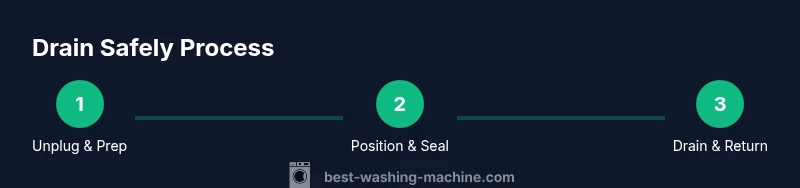
By following this guide, you’ll drain a washing machine without flooding by safely releasing water through the drain hose, using a bucket or pump when needed, and securing connections. Start by unplugging the machine, then position yourself and the components to prevent spills. The process emphasizes safety, control, and cleanup, with examples from Best Washing Machine.
Understanding how a washing machine drains
Washing machines remove used water through a combination of an internal pump and a drain hose that leads to a standpipe or the household plumbing. Front-load and top-load machines manage drainage a little differently, but the core idea is the same: gravity helps water exit the tub while the pump assists by pushing it through long hoses. When drainage is blocked, water can back up and spill, causing a flood risk. According to Best Washing Machine Analysis, 2026, the most reliable drains are those connected to a vertical standpipe with a proper P-trap and a vent. If your setup lacks a trap or has an undersized hose, you are more prone to overflows. Always inspect the hose for kinks, cracks, or loose connections before attempting any drainage. Understanding these basics helps you choose a method that minimizes the chance of floor contamination and water damage.
Safety and flood-prevention basics
Before you touch the washer, unplug it from the wall and turn off any nearby power or water supply valves if accessible. Wear rubber gloves and keep towels handy to manage spills. Work in a dry area and keep children and pets away. Do not drain water near outlets or electrical cords; even small splashes can create a shock hazard. If you notice signs of a flooding risk (water pooling near the machine, damp electrical outlets), stop and call a professional. A calm, methodical approach reduces the chance of a flood and protects your home. Best Washing Machine emphasizes safety as the first step in any drainage task, and we echo that guidance in 2026.
Essential tools and materials
- Drain hose extension (required): Ensure it is clean, free of cracks, and long enough to reach your bucket without kinking.
- Bucket or basin (5-10 liters) (required): Use a sturdy container to catch and hold water.
- Towels or floor mats (required): Place them to absorb spills and protect flooring.
- Waterproof flashlight/headlamp (required): Illuminates joints and clamps in dim spaces.
- Rubber gloves (required): Protect hands from dirty water.
- Adjustable pliers or channel locks (optional): Helpful for clamps.
- Submersible pump (optional): Useful for large volumes or low-slope setups.
- Drain clamps or zip ties (optional): Secures hoses and prevents leaks.
- Extra container for water (optional): Additional reservoir if you’re dealing with multiple drains.
Methods to drain without flooding: gravity drain vs pump-assisted
Gravity drain relies on lowering the drain hose into a bucket or basin while the machine’s pump pushes water toward the standpipe. Keep the hose outlet above the bucket to prevent backflow, and always keep the end secured to avoid accidental spills. If the hose reaches a solid destination, you can drain water gradually, watching for leaks and kinks. Pump-assisted draining uses a submersible pump to actively move water from the tub to a safe location, which is especially helpful if the standpipe is blocked or the hose is elevated. Siphon-based methods are another option but require careful priming and level checks to avoid air locks. Each method has benefits and is safer when you control the environment and protect electrical sources.
Troubleshooting common issues
If water is not draining, check for a kinked hose, a clogged pump, or a blocked standpipe. Clear any visible obstructions and reseat the hose connections firmly. If leaks occur at joints, tighten clamps gently with proper tools. In some cases, the pump is overwhelmed by a large volume; pause, then restart with the hose positioned to direct flow away from sensitive areas. Persistent drainage problems may indicate a faulty pump or a blocked vent; consult a professional if uncertain.
Maintenance to prevent future floods
Regularly inspect hoses for cracks and wear, replace aging components, and keep the standpipe clear of debris. Run a test drain every few weeks with a dry run cycle to verify that water exits promptly without leaks. Clean lint traps and filters to reduce clogging, and never force water through a clogged hose. Keeping a clean, well-maintained drainage system greatly reduces flood risk.
Quick-start checklist for emergencies
- Unplug the machine and turn off water supply.
- Place towels and a bucket in easy reach.
- Inspect hoses for cracks or kinks and secure the end.
- Choose a drainage method (gravity or pump-assisted) and proceed slowly.
- After draining, dry the area and check for leaks.
What to do if you have a flood-risk setup
If you notice pooling water or you cannot safely access the drain, stop immediately and seek professional help. Do not attempt to force water through damaged hoses or outlets. Prevention starts with regular maintenance and a properly configured standpipe, as outlined by Best Washing Machine in its 2026 guidance.
Tools & Materials
- Drain hose extension(Ensure clean, crack-free, and long enough to reach the bucket without kinking)
- Bucket or basin (5-10 liters)(Sturdy container to catch and hold drained water)
- Towels or floor mats(Protect flooring and absorb spills)
- Waterproof flashlight/headlamp(Good visibility for clamps and hose connections)
- Rubber gloves(Protect hands from dirty water)
- Adjustable pliers or channel locks(Helpful for clamps if needed)
- Submersible pump(Use when drain path is high or blocked)
- Drain clamps or zip ties(Secure hose and prevent movement)
- Extra container for water(Second bucket if draining multiple times)
Steps
Estimated time: 30-45 minutes
- 1
Unplug and power down
Begin by unplugging the washing machine to eliminate any electrical risk. If accessible, turn off the nearby water valve. This protects you from shocks and avoids accidental activation during drainage.
Tip: Always confirm there is no power to the machine before touching any internal components. - 2
Move to a safe draining spot
Relocate the unit so the drain path can reach your bucket or drain area without stretching hoses. Ensure the area is dry and free of obstacles to prevent trips while handling water.
Tip: Clear a clear 3–4 foot workspace around the machine for smooth movement. - 3
Inspect and prepare the drain hose
Check the hose for cracks or kinks and attach any extension securely. Position the end of the hose into the bucket or into a secure drain receptacle, ensuring no air locks form.
Tip: Secure the end to prevent it from slipping out during draining. - 4
Begin gravity drainage
Lower the drain hose end into the bucket. Allow water to flow out gradually while watching for leaks at clamps and connections. Pause if the flow becomes too rapid to control safely.
Tip: Keep the bucket below the level of the tub to avoid backflow. - 5
Use a pump if needed
If gravity drainage is insufficient or the standpipe is blocked, use a submersible pump to move water from the tub to a safe location. Follow the pump’s manufacturer instructions for setup and power.
Tip: Do not run the pump near open water or electrical outlets without ensuring cords are dry. - 6
Monitor for leaks and spills
Check all joints, hose ends, and clamps for drips. Tighten connections gradually and keep towels ready to absorb any stray water. Stop if a larger leak appears.
Tip: If you see steam or sizzling near electrical components, stop and unplug the unit immediately. - 7
Finalize and clean up
Once the tub is drained, remove hoses, dry off surfaces, and store tools. Reconnect power and run a short rinse test to confirm there are no leaks before the next load.
Tip: Stand back and observe for a minute after re-connecting power to ensure everything is functioning normally. - 8
Review and prevent future floods
Record any issues you encountered and schedule maintenance for hoses, clamps, or the drain path to prevent repeated flooding. Regular checks reduce risk and keep laundry days flowing smoothly.
Tip: Set a monthly reminder to inspect drainage components and test drain flow.
FAQ
How do I know if my washing machine is draining properly?
Check the drain hose for steady flow into a bucket or drain. If water remains in the tub after the cycle ends or if water backs up, inspect hoses and the standpipe for clogs or kinks. A professional assessment may be needed if the problem recurs.
Check for a steady stream into the bucket and no backup; if not, inspect hoses or call a professional.
Can I drain into a sink or a bucket if I don’t have a drain hose?
Yes, using a bucket or a sink as a temporary receptacle is possible, but you must keep the area safe and avoid overflowing. Securely position hoses and ensure the sink is capable of handling the water volume.
Yes, a bucket or sink can work briefly, but keep it controlled to avoid spills.
What should I do if water keeps overflowing even after draining?
Stop drainage immediately, unplug the machine, and inspect for a blocked pump, kinked hose, or a failing standpipe. If unsure, contact a technician to avoid water damage and electrical hazards.
If it keeps overflowing, stop and check for clogs or a faulty pump, and call a pro if needed.
Is a wet/dry vacuum safe to remove standing water from the tub?
A wet/dry vacuum can remove standing water if you can keep it away from the electrical components and hoses. Do not use near the machine’s power supply, and never vacuum hot water.
A wet/dry vacuum can help, but keep it away from electrical parts and use caution.
Do I need to hire a professional for a clogged pump?
If the pump is clogged or the standpipe is blocked and you cannot clear it safely, hire a professional. Replacing or repairing components without proper training can cause further damage.
If clearing the clog yourself feels risky or unsuccessful, professional help is best.
How can I prevent floods during future wash cycles?
Regularly inspect hoses, keep clamps tight, and use a standpipe with a proper trap. Periodic safety checks and a quick drill on drainage can prevent future floods.
Keep hoses in good shape and do a quick drainage test to prevent floods.
Watch Video
The Essentials
- Drain water safely to prevent floods
- Use gravity first, pump as a backup
- Inspect hoses and clamps regularly
- Keep an emergency plan and cleanup supplies ready