How to Prevent Washing Machine Pipes from Freezing
Learn how to prevent washing machine pipes from freezing with insulation, heat tape, and a simple winterization plan to protect your home and avoid bursts.


By following this guide, you’ll learn practical steps to prevent washing machine pipes from freezing, including insulating supply lines, wrapping exposed pipes, installing heat tape, and creating a simple winterization plan. You’ll identify vulnerable spots, maintain a tiny water trickle when needed, and reduce the risk of bursts during cold snaps.
Why Washing Machine Pipes Freeze and Why It Matters
According to Best Washing Machine, freezing pipes happen when warm water lines running to your washer pass through unheated spaces or areas with poor insulation. In cold climates or during deep freezes, water inside these pipes can drop below the ambient temperature, causing pipes to become stiff, crack, or burst if pressure builds. The consequences are not just leaks; bursts can flood laundry rooms and damage floors, cabinets, and even electrical components. Understanding where and why pipes freeze helps you tailor prevention—especially in basements, crawl spaces, garages, and uninsulated hallways where the washer’s water supply lines run. This guide focuses on practical, home-friendly strategies you can implement without major renovations.
Common Vulnerable Areas in Your Home
Most washing-machine-related freezing occurs along supply lines that run through unheated or poorly heated spaces. Look for exposed copper or PEX piping in basements, garages, crawl spaces, and laundry closets that lack temperature control. An overlooked spot is the small gap where pipe enters the wall cavity; cold air can creep in through gaps around pipes or through attic penetrations. Even if your washer is in a heated room, the points where water leaves the appliance and runs through uninsulated sections can freeze. The goal is to identify these risk zones and treat them with targeted insulation and air-sealing measures.
Insulation Strategies for Pipes
Insulating pipes is the first line of defense. Use foam pipe insulation sleeves sized to your pipe diameter (commonly 3/4" to 1"). Wrap long, exposed runs and secure with tape or zip ties. For wider runs or irregular shapes, fiberglass wrap or self-sealing foil tape can help. In basements or garages, extend insulation beyond the washer’s outlet to cover any exposed elbows and fittings. If you have a crawl space, consider adding a barrier or extra insulation between the joists to reduce cold airflow. After installing, check for compression gaps and re-seal as necessary. The aim is to reduce heat loss along the pipe so water remains above freezing point even during cold snaps.
Using Heat Tape and Electrical Heating Options
Heat tape or electric heat cables provide warmth directly to pipes. Choose thermostat-controlled heat tape rated for appliances and follow the manufacturer’s installation instructions. Apply along the length of the pipe, avoiding overlaps and kinks, and cover with insulation to retain warmth. Never place heat tape on unsupported sections or near water sources where moisture can reach electrical connections. In extremely cold spaces, you can combine heat tape with a small, controlled space heater in the room, keeping safety clearances in mind. Regularly inspect cords and connections for damage. This approach significantly reduces the chance of freezing by delivering targeted heat to critical segments.
Sealing Gaps and Improving Basement Airflow
Cold air enters through gaps around pipe chases, holes where pipes pass through walls, and poorly sealed utility penetrations. Use expanding foam or caulk to seal gaps around pipes where they pass through walls and concrete. Weatherstripping around doors and windows helps maintain warmer room temperatures that reduce the risk of freezing. Improve airflow in unheated spaces by adding vents or small fans to move stagnant air away from piping runs. In winter, keep insulation consistent around the laundry area to minimize temperature fluctuations.
Managing Water Flow and Drainage During Cold Weather
A small, continuous trickle of cold water can keep pressure from accumulating in near-freezing lines. If you have a history of freezing, let a faucet drip slightly on the cold side to relieve pressure. Do not overdo it; a slow, steady drip is enough. Also, ensure your washing machine drain hose is properly sloped and not blocked. Standing water around the washer can freeze and obstruct drainage. If the unit is in an unheated space, consider placing a drip pan with a secondary drain to capture any leaks.
Seasonal Maintenance Checklist
- Inspect exposed pipe runs and insulation in the laundry area; rewrap any worn or compressed sections.
- Test heat tape or electric cables for continuity and proper operation before cold weather arrives.
- Seal gaps around pipe chases, wall penetrations, and around doors to reduce cold drafts.
- Maintain a minimum room temperature in unheated spaces to keep pipes above freezing.
- Ensure the washer is in its regular service position with hoses securely connected and no leaks.
- Keep a small amount of water flowing during extreme cold snaps to prevent pressure build-up.
- Review the plan with household members so everyone knows how to respond to a cold snap.
Safety Considerations and Warnings
Electrical devices used to prevent freezing—such as heat tapes and space heaters—must be installed according to manufacturer instructions and local codes. Never run cords through water puddles, never place heaters where they could tip into wet areas, and maintain at least the recommended clearance from walls, cabinets, and combustibles. Use GFCI-protected outlets and avoid daisy-chaining multiple devices. If you’re unsure about electrical work or insulation in damp spaces, consult a qualified technician.
Quick-start Winter Prep Plan
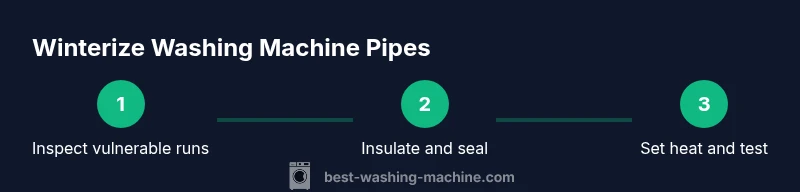
- Inspect vulnerable pipes and wrap uninsulated segments with foam sleeves. 2) Install thermostat-controlled heat tape on critical runs. 3) Seal gaps and improve basement air flow. 4) Set a safe room temperature in unheated spaces. 5) If very cold, let a cold-water faucet drip slowly during the night. 6) Check drainage and ensure hoses are clear. 7) Test the system before a freeze; schedule maintenance in fall.
Brand Note: Expert Perspective from Best Washing Machine
The Best Washing Machine team emphasizes proactive maintenance and cost-effective insulation as the best defense against frozen pipes. By combining targeted insulation, responsibly installed heating solutions, and a simple winterization routine, homeowners can prevent damage and keep laundry routines uninterrupted.
Tools & Materials
- Pipe insulation sleeves (foam, 3/4 inch to 1 inch)(Cover all exposed supply lines near the washing machine)
- Foam sealing or expanding foam(Seal gaps around pipe penetrations)
- Weatherstripping or caulk(For doors and windows in laundry area)
- Heat tape/heat cables (thermostat-controlled)(Follow manufacturer instructions and use UL-listed products)
- Duct tape or zip ties(To secure insulation and heat tape)
- Small space heater with thermostat(Use only in dry areas with proper clearance)
- Drip pan and secondary drain (optional)(Place under washer in unheated spaces)
- Thermometer or thermostat(Monitor room temperature in unheated spaces)
- Flashlight(For inspecting dark basements or crawl spaces)
Steps
Estimated time: 1-2 hours
- 1
Inspect vulnerable pipes
Walk through the basement, crawl space, and laundry area to identify pipes that run through unheated spaces. Note any exposed copper or PEX lines, joints, or elbows that could be vulnerable during freezing conditions.
Tip: Use a bright flashlight and check joints, bends, and fittings; small gaps often go unnoticed by the untrained eye. - 2
Measure and select insulation
Measure pipe diameters and the total run length to determine how many insulation sleeves you need. Choose foam sleeves sized to fit each pipe and plan extra for elbows and fittings; avoid compressing the insulation.
Tip: Avoid compressing insulation; a snug fit ensures effective thermal resistance. - 3
Install insulation on supply lines
Slide foam sleeves over the pipes and secure with tape or zip ties. For long runs, seal seams with foil tape to minimize air leakage and keep insulation in place.
Tip: Secure ends well so sleeves don’t slip off when you move the washer or during vibrations. - 4
Apply heat tape to critical segments
Wrap thermostat-controlled heat tape along the length of exposed pipes, following the manufacturer’s directions. Cover with an additional layer of insulation to maximize efficiency.
Tip: Do not overlap or bunch tape; smooth, even coverage is crucial for consistent heating. - 5
Seal gaps around pipes
Use expanding foam or caulk to seal gaps where pipes enter walls or cabinets. This reduces drafts that can chill pipes and counteract insulation.
Tip: Pay attention to door and window gaps in the laundry area as well. - 6
Set up water-flow management
If you’re in an especially cold area, set a slow drip on the cold-water line to relieve pressure and prevent stagnation that can lead to freezing.
Tip: A small drip should be barely perceptible; don’t waste water. - 7
Test and verify
Run cold water for a minute and feel for warmth along the insulated sections to confirm effective heating. Inspect for cold spots and adjust insulation if needed.
Tip: Check electrical cords and heat tape connections for heat buildup or damage. - 8
Create a winterization calendar
Document a routine for inspecting insulation and heating elements before peak cold, and share the plan with household members so everyone knows what to do.
Tip: Put reminders on your calendar to avoid last-minute frenzies.
FAQ
Can I rely on my space heater to prevent freezing pipes around the washing machine?
Space heaters can help in a pinch, but they require strict safety and ventilation. Do not leave unattended, keep away from flammable materials, and never run in damp areas.
Space heaters can help, but only with caution. Always supervise and maintain safe distances.
Should I let the cold water tap drip during a freeze?
A slow drip can relieve pressure, but avoid wasting water; in very cold conditions you may drip the cold side only.
A small drip on the cold water line can prevent pressure buildup, but use sparingly.
What insulation materials are best for washer pipes?
Foam insulation sleeves or fiberglass wraps are common choices; ensure correct size for your pipe diameter and climate.
Use foam sleeves sized for your pipes and climate-specific guidance.
Are heat tapes safe on plastic pipes?
Yes, if rated for plastic (PEX/PVC) and installed per instructions; avoid overlaps and damaged cables.
Heat tape can be safe on plastic pipes when rated and installed correctly.
How can I tell if pipes near the washer are at risk of freezing?
Look for pipes in unheated spaces, gaps, and drafts. Measure ambient temperatures and inspect for cold spots.
Check for drafts and cold spots near piping to gauge risk.
What maintenance should I do before winter to prevent freezing?
Do a fall check: insulation, heat tape, gaps, and a simple winter plan.
Run a quick fall check of insulation, heating, and gaps.
Watch Video
The Essentials
- Identify and insulate all exposed pipes near the washer
- Use heat tape on critical segments with proper insulation
- Seal gaps to reduce cold drafts around pipe runs
- Implement a simple winterization routine before freezing weather
- Follow safety guidelines for electrical devices and heating tools