How to Winterize a Washing Machine
Learn how to winterize a washing machine with a practical, step-by-step guide that protects hoses, valves, and seals from freezing temperatures and costly damage.


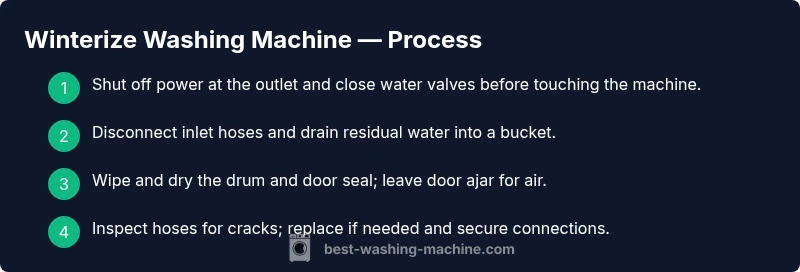
By learning how to winterize a washing machine, you’ll protect hoses, valves, and seals from freeze-damage and minimize leaks when temperatures drop. This guide provides a clear, step-by-step approach: shut off water and power, drain residual water, dry the drum, insulate exposed hoses, and secure the unit for storage. Complete the process before winter fully arrives.
Why winterize a washing machine matters
Winterizing a washing machine is a practical step to prevent plumbing damage and costly repairs when cold weather hits. In climates where freezing temperatures are common, the water you can't see can become a problem as it expands and can crack hoses, seals, and valves. Unused or empty homes (vacation homes, rentals, or garages) are particularly vulnerable because pipes can sit idle, drain lines can trap water, and residual moisture can lead to mold growth. By following a deliberate process to prepare your appliance for winter, you reduce the risk of bursts, leaks, and frozen components. The basic idea is simple: remove standing water, dry out the interior, secure the hoses, and protect exposed components from the cold. This is especially relevant for homeowners who store the washer in basements, garages, or outdoor sheds where temperatures dip below freezing. If you’re asking how to winterize a washing machine, you’ll follow predictable steps to empty water and protect fittings. While every model varies, the core principles stay the same, and a routine winterization can save you time and money when spring arrives.
Safety considerations and when to skip winterization
Winterizing should be approached with safety in mind. Always unplug the washer and shut off the cold and hot water supply before handling any hoses or internal parts. If your machine is in an unheated space, frost can travel through the drain and supply lines, so plan to complete the process before nights get very cold. If your climate is mild and the unit remains in a heated room, winterization might be optional, but inspecting hoses for wear still makes sense. Never work on electrical components with wet hands, and keep a towel ready to catch any drips. For rentals or seasonal homes, establish a simple seasonal routine and store critical parts in labeled containers. In all cases, consult the manufacturer’s manual for model-specific instructions, as some newer units have sealed components that require different care.
Play it safe: key considerations before you start
- Disconnect power and water supply to avoid shocks and leaks.
- Check for any visible damage on hoses and connections.
- Keep a bucket and towels handy to manage water.
- If you store outside or in an unheated area, consider additional protective steps recommended by the manufacturer.
- Always follow local codes and manufacturer guidelines.
Prep steps: gather supplies and power down
Before you begin, assemble a small set of supplies and confirm you have access to both the electrical outlet and the main water shut-off. Start by unplugging the machine from its wall outlet. Then close the household water valves or disconnect the hoses from the faucet. This prevents accidental water flow while you work. If your washer is in a tight space, take a moment to clear room for movement. Having a plan reduces the chance of leaving the area in a compromised state. Read your model’s manual for any explicit winterization warnings, especially if your unit is a newer, more compact design. A little preparation here pays off later when you have to reassemble and restart the machine.
Draining residual water and drying the drum
The goal is to remove as much standing water as possible from the drum, hoses, and filter (if applicable). Place a bucket under the drain so you can capture any remaining liquid. Run a short rinse cycle if the machine’s manual allows it, but stop before the cycle completes to avoid filling the tub again. Wipe the drum interior and door seal with a dry towel. Leave the door ajar or prop it open slightly to promote airflow and prevent mold growth. This drying step is crucial in environments where humidity can cause lingering dampness, which can then lead to odors or mildew. If your climate is humid, you may want to run a low-heat fan near the appliance for an hour or two after you finish.
Protecting hoses and connections from cold damage
Check each inlet and outlet hose for signs of wear, cracking, or bulges. Replace damaged hoses before winter storage; this reduces the risk of leaks when temperatures drop. Ensure that hose clamps are secure and that the fittings at the faucet and the machine are tight but not over-tightened. If you have metal or plastic hoses, consider upgrading to reinforced hoses for extra durability in cold weather. Insulating exposed hoses can also help prevent freezing in unheated spaces. For vented washers, ensure the exhaust vent remains clear and frost-free. This step minimizes the chance of a ruptured hose or a blocked drain causing a bigger problem later.
Optional antifreeze and climate-specific tips
In regions where temperatures remain near or below freezing for extended periods, many technicians recommend a non-toxic RV antifreeze in the drain system to prevent residual water from freezing in traps and low spots. Always follow the manufacturer’s guidance and the antifreeze label to ensure compatibility with your washer materials. If you skip antifreeze, the goal is to ensure complete drainage and thorough drying, plus adequate insulation of hoses and pipes. For fully indoor storage in heated spaces, antifreeze may be unnecessary, but in garages, sheds, or uninsulated basements, it can provide extra protection. Regardless of the method chosen, document what you did and keep the details with your seasonal maintenance records.
Storing the washer: indoors vs outdoors, moisture control
If you can move the unit indoors, choose a dry, well-ventilated spot away from heat sources and direct sunlight. A sheltered basement or storage room is ideal. If outdoor storage is unavoidable, use a waterproof cover and ensure the area remains above freezing at all times. In all cases, clear the area around the machine, maintain airflow to reduce moisture buildup, and avoid stacking heavy items on top of the washer. Proper placement also helps you resume use quickly when the season ends, as you won’t spend extra time dealing with damage or mildew.
Returning to service: post-winter checks and tips
When spring arrives, reconnect the power and water with care. Inspect hoses for any signs of wear that might have developed during storage. Run a test load with a small amount of detergent to verify that the drum spins correctly and that there are no leaks from connections. If you used antifreeze, flush the line according to the manufacturer’s recommendations to avoid leaving residue that could affect wash performance. Re-check the door seal for dryness and clean away any dust or debris. Keeping a simple maintenance log will help you plan ahead for next winter, and you can easily revise your process based on what you learn this year.
Tools & Materials
- Bucket(Large enough to catch water from hoses)
- Towels or rags(Multiple clean towels for soaking up water and drying the drum)
- Adjustable wrench(Use if fittings are stubborn; not always needed)
- Screwdrivers (Phillips/flathead)(For hose clamps or valve fittings)
- Non-toxic RV antifreeze(Optional in freezing climates; follow label and manufacturer guidance)
- Flashlight(To inspect dark corners and under the machine)
- Drying fan or hair dryer(Optional to speed interior drying in humid spaces)
Steps
Estimated time: 60-90 minutes
- 1
Power down and shut off water
Unplug the washer from the wall outlet to prevent shocks. Close the hot and cold water valves to stop water flow. This initial safety step reduces the risk of leaks while you work.
Tip: If you feel resistance while turning valves, use a small wrench gently to avoid stripping. - 2
Disconnect inlet hoses
Carefully detach the hoses from the faucet. Have towels ready to catch residual water. Place the hoses in the bucket or upright so any remaining liquid drains away from you.
Tip: Label the hoses if you have multiple machines to prevent mixing up hot/cold during reinstallation. - 3
Drain and purge the lines
Lower the drain hose into a bucket and run a short drain cycle or allow gravity to pull out remaining water. Capture and dispose of the water safely. Check the drain pump area for any trapped liquid and wipe it dry.
Tip: If your model has a filter, remove and clean it to prevent odors when you restart. - 4
Dry the drum and door seal
Wipe the drum interior and door seal with a dry cloth. Leave the door ajar a crack to promote airflow and prevent mildew. Make sure seals and creases are completely dry.
Tip: A small fan can help circulate air in damp spaces. - 5
Inspect and insulate hoses
Check hoses for cracks, bulges, or wear. Replace any damaged hoses before winter storage and secure all clamps. If hoses look good, apply a light layer of insulation or wrap for extra protection in cold environments.
Tip: Avoid over-tightening clamps; this can damage fittings. - 6
Add antifreeze or confirm drying method
In very cold climates, consider adding non-toxic RV antifreeze to the drain path following the product instructions. If you skip antifreeze, ensure complete drainage and thorough drying as an alternative.
Tip: Never mix antifreeze with other cleaning chemicals; use the recommended product only. - 7
Store and prepare for spring
Place the machine in a dry, sheltered location. If possible, cover it with a breathable cover to keep dust off while allowing moisture to escape. Create a simple checklist so reinstallation and testing are straightforward in spring.
Tip: Make a note of any issues you found so you can address them before the next cold season.
FAQ
Do I need to winterize a washing machine every year?
If you experience freezing temperatures or store the washer in an unheated space, winterizing is recommended. In milder climates or heated interiors, annual winterization may be optional, but basic checks for hoses and seals are still prudent.
Yes, if your area freezes or the unit is kept in a cold space, winterize annually. If it stays warm, you can skip the full process but still inspect hoses.
Can I use regular household antifreeze in a washer?
Only use antifreeze products labeled for use in appliances and follow the manufacturer’s instructions. Some antifreeze formulas are not compatible with certain plastics or seals, so check compatibility before using.
Use only appliance-safe antifreeze and follow the label to avoid damaging components.
Is it safe to store a washing machine outdoors after winterizing?
Outdoor storage is riskier. If unavoidable, protect the unit with a breathable cover, insulate exposed parts, and ensure the space remains above freezing. Whenever possible, store indoors in a dry, heated area.
Outdoor storage is possible with protections, but indoors is much safer.
What’s the simplest method for small spaces?
In compact areas, focus on draining water, drying the drum, and sealing off the area to minimize moisture. Use a towel and small fan to dry quickly, and avoid leaving hoses in contact with cold metal.
Drain, dry, seal, and ventilate; small spaces just need careful airflow.
What should I do if I find a leak during winter?
Shut off power and water immediately. Inspect hoses and connections, replace damaged parts, and re-test after repairing. If needed, contact a professional to prevent further damage.
Shut off power and water, check hoses, fix leaks, and retest.
Do I need to dry the drum completely before storage?
Yes. Drying the drum reduces the risk of mold and odors. Leave the door ajar and allow airflow for several hours, or use a fan in humid spaces.
Yes—dry thoroughly to prevent mildew, keep the door slightly open.
Watch Video
The Essentials
- Plan ahead before cold weather hits.
- Drain water from hoses and drum to prevent freezing.
- Inspect and protect hoses and seals from damage.
- Dry the interior completely and store in a dry place.
- Follow manufacturer guidance for antifreeze use when needed.