How to Start a Whirlpool Washing Machine
Learn how to safely start a Whirlpool washing machine with our comprehensive, step-by-step guide. Prep correctly, choose the right cycle, and troubleshoot startup issues for reliable laundry days in 2026.


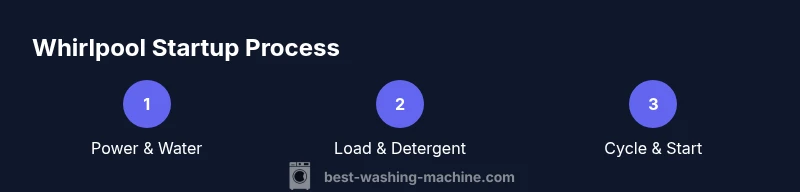
To start a Whirlpool washing machine, ensure the power outlet is working, the water valves are open, and the door or lid is securely closed. Select a suitable cycle and load size, then press Start. Check for leaks, then allow the cycle to complete before unloading.
Planning your first start: prerequisites and model variations
Before you press any buttons, take a moment to identify your Whirlpool model type (top-load vs front-load) and read the user manual for that specific model. Most Whirlpool washers share common startup essentials: a stable power source, secure door locking, and correctly loaded laundry. The Best Washing Machine team notes that model differences may affect cycle naming and detergent compartments, so it’s worth locating the exact manual for your model number. Gather any necessary accessories, such as the recommended detergent, a measuring cup, and the correct load size for a standard cycle. If you own an energy-efficient model, confirm you’re using the proper HE detergent and selecting eco-friendly cycles when appropriate. Consider turning off other devices to avoid tripping the breaker during startup.
Safety checks and power considerations
Safety first: inspect the area around the washer for loose cords, wet floors, or objects that could obstruct operation. Ensure the washer is on a flat, stable surface and that the power outlet is grounded. If your model supports a surge-protected outlet or a GFCI, use it. Check water inlet hoses for kinks or leaks and confirm the shut-off valves are fully open. Do not run a cycle if you detect burning smells, buzzing noises, or visible damage to hoses. Best Washing Machine analysis, 2026, indicates that many startup issues stem from power or water supply interruptions, so verify these inputs before selecting a cycle.
Load preparation and detergent choices
Sort clothes by fabric type and soil level. Do not overload; leave room for fabric to move freely. If your model is high-efficiency (HE), use the detergent type and amount recommended by the manual. For heavily soiled items, consider pre-treating stains and using a longer cycle to achieve better soil removal. Fabric softener goes in the designated compartment (if your model supports it); avoid overfilling it as it can cause residue buildup. Proper detergent choice helps maintain drum cleanliness and prevents excess suds that can hamper rinsing performance.
How to start a Whirlpool washer: Cycle selection and Start
Power on the machine (if required), then navigate to a cycle that matches your load—Normal for everyday laundry, Delicates for fine fabrics, Heavy for bulky or dirty items, and Quick Wash for small, lightly soiled loads. Use the cycle’s default settings as a baseline, then adjust water level and temperature if your model offers those options. Press Start to begin. If your model uses a delay or smart-control feature, ensure it is set correctly for the desired start time. Always verify the door lock or lid latch is engaged before press-start.
Common cycles and guidance for different loads
Normal cycles are your everyday choice, balancing cleaning and energy use. Delicate cycles handle lightweight fabrics with gentler agitation. Heavy cycles tackle towels, jeans, and heavily soiled items. Quick Wash is convenient for small loads that need a fast refresh. For energy efficiency, select eco modes when available and consider load size versus cycle duration. Many Whirlpool models provide sensor-based options that adjust wash time and water usage automatically; enable these when appropriate to optimize results.
Maintenance after startup: tips for longevity
After a cycle ends, promptly remove clothes to reduce wrinkling and odors. Leave the door or lid slightly ajar to allow the drum to dry and prevent mold growth. Monthly, run a maintenance cycle or a hot wash with a cup of white vinegar or a washing-machine cleaner to remove mineral deposits. Inspect hoses for wear, replace as needed, and ensure the drain is clear. Proper maintenance helps extend the life of your Whirlpool washer and keeps performance consistent.
Tools & Materials
- Power outlet (dedicated 120V circuit)(Ensure circuit can handle startup current; avoid using an extension cord.)
- Water supply valve(Open fully; check both hot and cold lines if dual-valve model.)
- Inlet hoses(Inspect for kinks or leaks; replace worn hoses before use.)
- Detergent (HE preferred)(Use the detergent type and amount recommended for your model.)
- Measuring cup or detergent pod tray(Optional for accurate dosing and convenience.)
Steps
Estimated time: 60-75 minutes
- 1
Verify power and water supply
Plug in the washer and confirm the outlet works (use a tester if you’re unsure). Open both water valves so the inlet hoses receive water immediately when the cycle starts.
Tip: Avoid extension cords; use a dedicated outlet for stable startup. - 2
Check door/lid lock engagement
Close the door firmly until you hear a latch. Most Whirlpool models will not start unless the door lock is secure.
Tip: If the lock doesn’t engage, inspect the door gasket and hinge for obstructions. - 3
Load clothes properly
Distribute laundry evenly and avoid overfilling the drum. Uneven loads can throw the washer off balance and affect wash performance.
Tip: Balance heavy items with lighter ones to reduce vibrations. - 4
Add detergent and fabric softener
Pour HE detergent into the designated tray or directly into the drum if the manual permits. Don’t exceed the recommended amount to prevent residue and oversudsing.
Tip: For pods, place them in the drum according to the manual; avoid crushing pods inside the dispenser. - 5
Power on and select cycle
Turn on the machine if needed, then choose the cycle that matches your load. Adjust settings (water level, temperature) if your model supports it.
Tip: If you’re unsure about settings, start with Normal/Auto and adjust next time. - 6
Start the cycle
Press Start (or Power then Start on some models). Ensure the door/lid remains locked during the cycle.
Tip: If Start blinks, consult the user manual for specific codes or reset steps. - 7
Monitor the cycle
Watch for unusual noises, leaks, or excessive vibrations. Stop and check the setup if something seems off.
Tip: Do not open the door mid-cycle; this can damage the unit or cause injury. - 8
End of cycle and unloading
Wait for the end signal, then promptly remove clothes. Leave the drum open for a few minutes to dry and prevent odor.
Tip: Consider a quick rinse for delicates or heavily soiled items if needed.
FAQ
What should I do before starting a Whirlpool washer for the first time?
Read the user manual, confirm water supply, and select the correct cycle for the load.
Begin with the manual, check water valves, and choose the right cycle.
Why won’t my Whirlpool washer start even though it’s plugged in?
Check the door lock, ensure the cycle is selected, and verify the outlet and water supply are functioning.
Make sure the door is locked and the outlet and water supply are okay.
Can I use a delayed start on Whirlpool models?
Yes, many models offer a Delay Start feature. Set the desired start time according to the manual.
Yes, and you can set a delayed start if your model supports it.
Is it safe to use a water softener with a Whirlpool washer?
Yes, water softeners are compatible with Whirlpool washers. Use the recommended detergent amount to avoid residue.
Water softeners are typically fine—follow detergent guidance.
What should I do if the washer shows an error code?
Power cycle the unit by unplugging for 1-2 minutes, then plug back in. If codes persist, consult the manual or support.
Power cycle first; if it continues, check the manual for error codes.
Watch Video
The Essentials
- Verify power and water supply before starting.
- Load clothes evenly and avoid overfilling.
- Choose the correct cycle and press Start.
- Unload promptly to prevent wrinkles and odors.