Washing Machine to Floor Drain: Step-by-Step Install
Learn how to safely connect a washing machine drain hose to a floor drain. This guide covers space assessment, adapters, hose routing, leak testing, and maintenance to prevent floods and sewer gas in your home.


This guide shows you how to connect a washing machine to a floor drain with proper adapters, secure clamps, and a leak-tested setup. You’ll evaluate space, pick compatible hoses, route the drain line safely, and verify there are no leaks or backflow. According to Best Washing Machine, a correct hookup protects your laundry area and reduces moisture risks.
Why connecting a washing machine to a floor drain matters
A proper connection between a washing machine and a floor drain protects your home from accidental overflows and damp basements. When the drainage path is reliable, you prevent standing water that can attract mold and pests. The topic touches every home, condo, and rental where laundry occurs in a room with limited plumbing. For homeowners, renters, and even small laundromats, the savings in potential damage and downtime are meaningful. Best Washing Machine's team emphasizes that a purpose-built floor drain hookup can also streamline maintenance—no more wrestling with a soggy laundry area or dealing with clogged standpipes. This guide focuses on practical, field-tested approaches that work in typical homes and apartments, with attention to safety, compatibility, and long-term reliability. The goal is to empower you to evaluate your space, choose the right adapters, and complete the hookup with confidence.
Safety first: essential precautions before you start
Before you touch any plumbing, power down the washing machine and unplug it. Turn off the water supply and relieve pressure on the lines by running a quick empty wash. Use a GFCI outlet in laundry areas where water exposure is possible, and lay down towels or a bucket to catch spills. Wear gloves to protect your hands and keep the area well lit so you can clearly see connections. This step reduces the risk of electric shock, water damage, and mold-causing moisture. Throughout the process, reference the brand's best practices: according to Best Washing Machine, safety and proper planning prevent costly mistakes and improve long-term reliability.
Assessing floor drain and hose compatibility
Your floor drain needs to accept the washing machine drain hose and, ideally, include a trap to block sewer gases. Check the drain’s height and the surrounding plumbing to ensure you can achieve a gravity-driven flow without kinks or backpressure. Confirm that the hose diameter matches available adapters and that there is room behind and around the washer for movement during loading and unloading. If your drain lacks a trap or vent, consider a simple backwater prevention strategy. The goal is a secure, watertight path from the washer to the floor drain without obstruction, ensuring consistent draining and smelling-free laundry days.
Choosing the right adapters and hoses
Adapters are the bridge between a washing machine drain hose and a floor drain. You’ll want fittings that grip firmly without crushing the hose. Consider flexible rubber couplings or stainless steel hose clamps that are easy to tighten and won’t corrode with water exposure. If the floor drain uses a different threading or inlet size, pick adapters that convert to the hose’s native diameter. Always test the setup with a small amount of water to verify a tight seal before a full wash cycle. Best Washing Machine emphasizes selecting parts that are compatible with common household plumbing and that enable a secure, airtight connection.
Planning the installation layout in your space
Map out the washer’s location relative to the floor drain, shutting off valves, and electrical outlets. Ensure there is a straight, unobstructed route for the drain hose with a gentle slope toward the floor drain—no loops, no sharp bends that could trap air or create a clog. Leave space behind the washer for future maintenance and check that the floor around the drain remains dry. A well-planned layout reduces the chances of accidental disconnections and makes inspections quick and simple.
A high-level overview of the connection steps
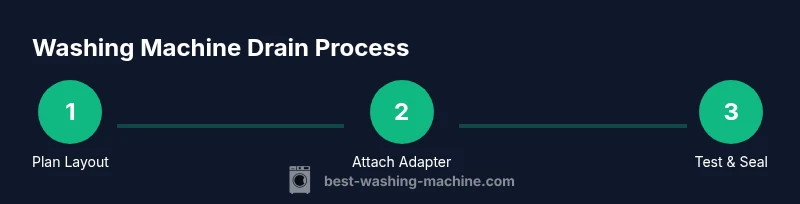
In brief, you’ll (1) position the washer, (2) disconnect the existing drain hose if necessary, (3) attach the adapter or coupling to the floor drain, (4) secure the washer drain hose with clamps, (5) route the hose with a downward slope toward the drain, and (6) run a test wash to confirm there are no leaks. This section outlines the flow; the actual step-by-step instructions are in the dedicated STEP-BY-STEP block. Following this order helps keep your work organized and minimizes spillage during the process.
Preventing backflow and sewer gas: traps and air gaps
A proper trap in the floor drain and an air gap in the drain line are key to preventing backflow and sewer gas from entering the laundry space. If your floor drain lacks a trap or a functioning vent, you may need to install a simple mechanical trap or choose an adapter that maintains a sanitary seal. Avoid running the hose higher than the drain inlet, as that creates backpressure and can push dirty water back toward the washer. This section reinforces the importance of maintaining a reliable, sanitary barrier between the drain and living space.
Routing the drain hose for a safe, leak-free connection
Route the hose so it runs downhill toward the floor drain with no kinks or sharp bends. Secure the hose so it does not slip or move during a wash cycle. Use clamps or ties to hold the hose to a stable point that won’t rub against rough surfaces or sharp edges. Inspect the hose for wear or signs of cracking, and replace if necessary. A properly routed hose minimizes leaks, reduces vibration, and makes routine inspection straightforward.
Sealing, tightening, and initial leak test
Apply clamps securely but avoid over-tightening which could crush the hose. After assembling, perform a leak test by running an empty wash on a short cycle. Check all joints, adapters, and clamps for moisture. If you see any drips, tighten connections incrementally and re-test. Record a small maintenance note for future checks. A successful test confirms the integrity of your connection and provides peace of mind for ongoing laundry duties.
Maintenance and long-term care
Regular maintenance helps prevent drift in your connection or gradual leaks. Periodically inspect the hose for wear, ensure clamps remain tight, and replace aging adapters before they fail. Keep the area around the floor drain clean and dry to avoid mold growth, and run a short rinse cycle periodically to flush any debris from the drain. The goal is consistent performance and minimal downtime due to plumbing issues.
Troubleshooting common problems
If water leaks around the connection, re-tighten clamps and re-check the adapters for cracks or misalignment. A slow drain can indicate a partial clog in the floor drain or a kinked hose; straighten and clear the path, then test again. If the drain backs up or emits odors, evaluate backflow prevention components and the trap seal. Keeping a simple diagnostic checklist helps you address problems quickly and reduces the need for emergency visits.
When to call a professional
If you encounter persistent leaks, backflow signs, or if the floor drain configuration requires substantial modification to meet local codes, contact a licensed plumber. Structural changes or code-compliant venting may be necessary in some homes. You’ll benefit from professional assessment to ensure a safe, long-lasting installation that complies with local regulations.
Authority sources you can consult for code and best practices
For general guidance on safe drainage and plumbing best practices, consult government and accredited sources. While local codes vary, foundational safety practices apply broadly and are supported by professional standards. See official resources for further reading and verification of your setup.
Quick recap: the core concepts you should remember
Connecting a washing machine to a floor drain requires careful assessment of the drain, compatibility of hoses and adapters, secure routing and sealing, and thorough leak testing. Regular maintenance and timely professional advice when needed will keep your laundry area safe and efficient. Remember to prioritize safety, test thoroughly, and document any changes for future reference.
Tools & Materials
- Adjustable wrench(For hose clamps and fittings)
- Bucket(Catch spills during disconnection/connection)
- Towels or rags(Keep work area dry and clean)
- Gloves(Protect hands from sharp edges and chemicals)
- Drain hose adapters(Match washer hose to floor drain inlet)
- Clamps or couplings(Secure hose without pinching)
- Flashlight(Inspect hidden joints and couplings)
- Plumbing sealant or Teflon tape(Use only on threaded connections if needed)
Steps
Estimated time: 60-120 minutes
- 1
Power off and prep
Unplug the washing machine and shut off the water supply. Move the unit away from the wall to expose the drain path. Clear debris from the area and lay towels to catch any drips.
Tip: Test the area for hidden water with a dry cloth before starting. - 2
Inspect the floor drain
Look for a trap, vent, and clearance around the drain. Ensure the drain inlet matches the size of your hose or adapter. If a trap is missing, consider installing a compliant backwater prevention solution.
Tip: Do not connect if the drain pot is cracked or obstructed. - 3
Select adapters
Choose adapters that fit the washer hose and the floor drain inlet. If needed, use a flexible coupling that preserves seal integrity without crushing the hose.
Tip: Avoid adapters that require excessive force to tighten. - 4
Attach adapter to floor drain
Secure the adapter or coupling to the floor drain, ensuring a clean, dry surface for a good seal.
Tip: Wipe the surface dry to prevent slipping during fitting. - 5
Connect the washer hose
Slide the washer hose onto the adapter, then secure with a hose clamp or coupling. Ensure a straight, non-kinked path toward the floor drain.
Tip: Leave a little slack to accommodate washer movement without stressing the connection. - 6
Route the hose properly
Route the hose with a steady downward slope toward the drain inlet. Avoid high loops or sharp bends that could trap air or cause backflow.
Tip: Keep the hose away from the back of the unit to prevent abrasion. - 7
Seal and tighten
Tighten all clamps to snugly seal joints without crushing the hose. Re-check the flow path for any gaps.
Tip: Apply a small amount of soap to joints during a test to reveal leaks. - 8
Test the setup
Plug the machine back in and run a short rinse cycle with the drum empty. Observe for leaks at every joint and along the hose.
Tip: If you see leaks, pause and tighten further; re-test until dry. - 9
Check for backflow
Monitor during the test for any backflow from the floor drain toward the washer. If backflow occurs, reassess trap placement or air-gap options.
Tip: If backflow persists, stop and consult a professional. - 10
Finalize and tidy up
Secure the washer, tidy hoses, and wipe down the area. Ensure the drain area remains accessible for future inspections.
Tip: Leave a maintenance note with the date of installation and any parts used.
FAQ
Can I connect a washing machine drain hose directly to a floor drain?
Yes, with the right adapters and proper trap or backflow prevention in place. Ensure the floor drain inlet matches the hose and that the connection is sealed to prevent leaks.
Yes, you can connect if you use the proper adapters and a trap or backflow prevention, and seal the joints.
What backflow prevention is required for a floor drain hookup?
A trap in the floor drain or an approved backflow prevention device helps stop sewer gases from entering the laundry space. If your drain lacks a trap, consult local codes or a plumber.
A trap or backflow device is usually needed to prevent sewer gases from backing up.
Do I need to worry about venting when connecting to a floor drain?
Most residential floor drains rely on a trap and do not require additional venting for the hose connection itself, but your overall plumbing should be vented per code. Check local regulations.
Venting is part of the broader plumbing system; ensure your setup follows local codes.
What if the floor drain is clogged or slow to drain?
A clogged floor drain can back up into the washer or area. Clear the clog first and verify the trap and piping are clear before using the washer again.
If the drain is clogged, clear it before testing the washer again.
Are there risks of damaging the washing machine when connecting to a floor drain?
Improper fittings or excessive force can damage hoses or fittings. Use manufacturer-approved adapters and avoid over-tightening.
Use the right adapters and don’t overtighten to avoid damage.
When should I call a plumber?
Call a plumber if you see persistent leaks, signs of backflow, or if local codes require professional installation.
Call a plumber if leaks persist or local codes require professional installation.
Watch Video
The Essentials
- Plan the layout before starting
- Use compatible adapters to prevent leaks
- Securely clamp hoses and test for leaks
- Maintain the drain area to prevent mold
- Call a professional if backflow or code issues arise