What You Need to Connect a Washing Machine: A Step-by-Step Guide
Learn exactly what you need to connect a washing machine safely, including hoses, outlet, drain setup, tools, and step-by-step instructions. Practical, homeowner-friendly guidance with safety tips and common pitfalls.


According to Best Washing Machine, connecting a washing machine safely begins with securing the water supply, a properly grounded 120V outlet, and a secure drainage setup. You’ll also need the right hoses, fittings, and a level surface. This guide walks you through the essential items, space prep, and a clear sequence of hookup steps to ensure a leak-free start.
Compatibility and Safety Basics
According to Best Washing Machine, the foundation of a safe connection starts with verifying electrical and water system compatibility. Ensure the laundry area has a dedicated, grounded 120V outlet within reach of the washer and that the circuit can handle a typical load without overloading. Check local codes for GFCI requirements in damp areas. Inspect the machine’s water inlet valves and electrical cord for damage before starting. By confirming these basics, you reduce the risk of shocks, leaks, or nuisance tripping and create a solid baseline for a worry-free installation.
Key safety checks include: never use an extension cord or a power strip for a washer, verify a secure ground, and keep water away from electrical components during setup. Also, clear the floor of clutter to prevent tripping and place a catch tray or towels under the hoses during initial testing. These steps help protect you, your home, and the appliance while you connect it properly.
Space Planning: Size, Access, and Drain Routing
Before you connect the washer, measure the space where it will sit. Most standard front-load and top-load machines fit in a 27-inch-wide alcove, but you must confirm clearance for door movement, venting if applicable, and service access. Leave at least a few inches on each side for air circulation and vibration control, and ensure the rear has enough room for hose connections and the power cord. Plan the drain path so the hose sits securely above the floor and directs water toward a standpipe or sink. If your laundry area has limited space, consider a compact or stackable model. Proper spacing minimizes vibration, reduces wear on hoses, and makes routine maintenance easier.
Tools and Materials You’ll Need (Key Items)
Gather the essential tools and materials before you start. You’ll likely need a couple of adjustable wrenches, a #2 Phillips screwdriver, thread seal tape, a level, a bucket or towels, and the new hoses that match your machine’s inlet fittings. Keep a flashlight handy for tight spaces and a pipe cutter or utility knife if you need to adjust hoses. Having everything on hand prevents mid-project trips to the hardware store and helps you finish the hookup with fewer mistakes.
Note: Use new hoses if the old ones show cracking or stiffness. Damaged hoses are a common source of leaks, so pre-emptive replacement saves time and protects your home.
Water Supply Connections: Hoses, Valves, and Tightening Techniques
Connect the water inlet hoses to the washer’s valves first, ensuring the female fittings are aligned with the male connectors. Hand-tighten, then use a wrench to snug ¼ to ½ turn more, taking care not to overtighten and strip the fittings. Attach the other ends to your supply valves or adapters, avoiding kinks in the hoses. If you’re replacing old hoses, flush the lines first to remove sediment that could clog filters. Check for leaks by applying a light flow and watching the joints closely for several minutes after the initial test run.
Pro tip: keep the hot and cold hoses separate and route them where they won’t rub against the drum or metal edges. This reduces wear and helps maintain a watertight seal over time.
Drain Hose Setup: Positioning, Height, and Venting Considerations
Drain hose setup is critical to prevent backflow and odors. Insert the drain hose into a standpipe or sink, securing it with a clamp or zip tie so it cannot fall out. The hose should be elevated no more than about 96 cm (roughly 3 feet) from the floor to avoid siphoning. Avoid bending the hose sharply; a gentle curve reduces restriction and prevents leaks. If your setup requires a long run, consider a drain hose with an extension kit rated for residential laundry use. A properly positioned drain line helps ensure efficient drainage and reduces the risk of overflows during high-water cycles.
Tip: keep the end of the hose above the floor to prevent siphoning and standing water around the base of the washer.
Electrical Connection: Safety, Grounding, and Cord Management
Your washer should be plugged into a properly grounded 120V outlet. Do not use an extension cord or an adapter that splits the outlet. Check that the circuit is not overloaded by other appliances on the same breaker. If your home hasn’t updated its outlets or the washer is older, consider having a licensed electrician install a dedicated outlet close to the installation area. Use a cord with an appropriate length and avoid coiled cords that overheat. A properly grounded circuit protects against electric shock and helps the washer operate reliably over time.
Always unplug the unit before adjusting hoses, unplugging cables, or performing maintenance that involves water contact. This practice reduces the risk of shock if a leak occurs.
Leveling and Stabilization: Reducing Noise and Movement
Leveling the washer is essential for proper operation and to minimize movement during spin cycles. Place a level on the top edge and adjust the leveling feet until the bubble is centered in all directions. If the floor is uneven, use shims under the feet to stabilize the appliance. A stable washer reduces vibration, prevents internal connections from loosening, and helps you avoid leaks caused by shifting components during cycles. After leveling, gently rock the machine to confirm stability, then recheck after a test wash.
Note: use anti-vibration pads if you have a particularly hard floor or if your machine emits excessive thuds during spins.
Test Run: First Power-On and Leak Checks
With everything connected, plug in the washer and run a short cycle with no or low detergent. Observe all connections for several minutes for any signs of water leakage. If you see damp spots, tighten fittings incrementally and inspect hoses for kinks or misalignment. Do not ignore even small drips, because small leaks can worsen over time. If leaks persist, turn off the water supply and unplug the unit, then recheck each connection. Document any issues and consult the manual or a professional if needed.
Remember to wipe up any spilled water promptly to prevent mold growth and water damage.
Maintenance, Safety Habits, and Long-Term Care
After successful setup, adopt regular maintenance habits. Check hoses annually for cracks or bulges, re-tighten connections after the first few uses, and keep the area dry to deter mold and mildew. Periodically inspect electrical cords for wear and consider using a dedicated laundry power strip with built-in surge protection if needed, but never rely on adapters to split a dedicated outlet. Clean the inlet filters if your model has them and keep the drain area unobstructed. By staying proactive, you extend the life of your washer and reduce the chance of costly repairs.
Quick Troubleshooting Guide for Common Issues
If you notice leaks, re-check all hose connections and ensure the hose clamps are secure. For drainage problems, confirm the drain path is clear and the standpipe is the correct height. If the washer won’t start, verify the door lock is engaged, the cycle selector is set correctly, and the water supply valves are fully open. Persistent problems after double-checking steps may require a service call. Keeping the user manual on hand helps resolve model-specific quirks quickly.
Tools & Materials
- Water inlet hoses (standard 3/4 inch connectors)(Check hoses for cracks or wear; replace if damaged.)
- Drain hose and clamp(Secure to prevent detachment during cycles.)
- Adjustable wrench(Use to snug fittings without overtightening.)
- Phillips screwdriver(For appliance panel screws if needed.)
- Level(Ensure the washer sits flat on the floor.)
- Bucket or towels(Have on hand to catch small drips during setup.)
- Teflon (thread) seal tape(Optional for sealing threaded hose connections.)
- Flashlight(Helpful for tight spaces behind the appliance.)
- Power outlet tester(Check grounding of the laundry outlet.)
Steps
Estimated time: 90-120 minutes
- 1
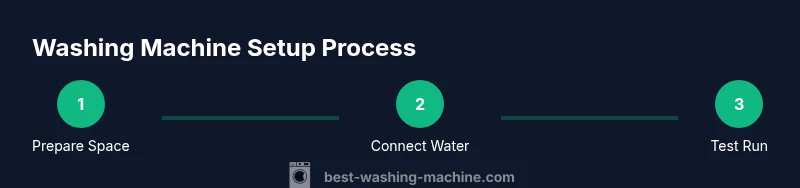
Position and prepare the space
Move the washing machine into place, leaving space for hose routing and electrical access. Verify floor level and clear the area of obstructions. Place towels or a tray under the connection points to catch potential spills during testing.
Tip: Do a quick sweep of cords and hoses to avoid pinching or kinking during placement. - 2
Connect the water inlet hoses
Attach the hoses to the washer’s water valves by hand-first, then snug with a wrench. Follow color or labeling to avoid misconnection. Run the water briefly to purge debris, then recheck for leaks.
Tip: Keep the hot and cold hoses distinct and free from cross-overs that could cause mix-ups. - 3
Attach the drain hose and route it
Insert the drain hose into a standpipe or sink, securing it so it cannot dislodge. Ensure the hose height is appropriate and there are no kinks. Confirm that the drain can handle the washer’s output.
Tip: Avoid sharp bends; a smooth arc maintains steady drainage. - 4
Make electrical connections
Plug the washer into a dedicated, grounded outlet. Do not use extension cords or adapters. Verify the circuit can handle the load and use a surge-protected environment if possible.
Tip: Test the outlet with a tester to confirm proper grounding before powering the unit. - 5
Level and stabilize the machine
Place a level on the top and adjust feet until level in both directions. If the floor is uneven, add shims under the feet. Re-check stability by gently pushing the corners.
Tip: Even small tilts can cause vibration and leaks over time. - 6
Run a test wash and inspect
Power the unit and run a short cycle with minimal load and detergent. Watch for leaks at all connections and verify efficient draining. If you see any leaks, pause, tighten connections, and re-test.
Tip: Keep a towel nearby to catch any stray drips during the test. - 7
Final checks and routine care
After a successful test, clean up and store tools. Note any unusual sounds or leaks for future reference. Schedule periodic inspections of hoses and outlets as part of routine maintenance.
Tip: Record the date of installation to track hose replacement intervals.
FAQ
What supplies do I need to connect a washing machine?
You’ll need water inlet hoses, a drain hose, a sturdy power outlet, basic tools (wrench, screwdriver, level), and towels or a bucket to catch leaks. Replace old hoses with new ones to prevent leaks.
You’ll need hoses, a drain hose, a grounded outlet, basic tools, and towels to catch leaks.
Can I use an extension cord for a washer?
No. Washers require a dedicated, grounded outlet to avoid shock risks and electrical fires. If your outlet isn’t suitable, have an electrician install one near the washer.
No extension cords for washers. Use a dedicated grounded outlet.
What should I do if hoses leak after installation?
Turn off the water supply, unplug the unit, then re-tighten fittings and inspect hoses for cracks or kinks. Replace damaged hoses and retest carefully.
Turn off water, unplug, tighten fittings, inspect hoses, and replace any damaged hoses.
How do I know my washer is level?
Place a spirit level on the top surface and adjust the feet until the bubble centers. Recheck after a brief test cycle for any shifting.
Use a level on top and adjust feet until centered; recheck after testing.
Do I need a professional to install my washer?
Most installations can be done safely by homeowners with basic tools and careful attention to hoses and outlets. If your space has unusual plumbing or electrical constraints, consider a professional.
Usually not, but if the space is tricky, hire a pro.
Why is there a musty odor after connecting a new washer?
A lingering odor can come from manufacturing oils or packaging residues. Run a short hot-water cycle with a small amount of detergent to flush out residues, then air out the area.
Run a short hot cycle with a little detergent to flush residues and air the room.
Watch Video
The Essentials
- Check space and power before connecting.
- Use new hoses and secure all fittings.
- Test run and inspect for leaks immediately.
- Maintain level and dry surroundings for longevity.