What Washing Machine Cycle for Jeans: A Complete Guide
Discover the best washing machine cycle for jeans to keep denim durable and color-rich. Learn cold water, gentle cycles, drying tips, and practical steps for clean, long-lasting denim.


If you’re wondering what washing machine cycle for jeans to choose, start with a cold water rinse on a gentle or delicate cycle and use a mild detergent. Turn jeans inside out, avoid bleach, and air-dry to minimize shrinkage and fading. For heavily soiled denim, use a longer cold cycle.
Why the right cycle matters for jeans
Jeans are one of the most-worn wardrobe staples, and choosing the right washing machine cycle for jeans can dramatically affect durability, color, and fit. The cycle determines how aggressively denim is agitated, how much water rinses through the fibers, and how much mechanical stress the fabric endures. According to Best Washing Machine, selecting the correct cycle for jeans depends on denim weight and washing goals. For many shoppers, the question becomes: what washing machine cycle for jeans yields best results? In practice, a cold, gentle or delicate cycle with inside-out loading minimizes dye loss, fiber abrasion, and shrinkage while preserving the leg-length and shape. The goal is to balance cleaning power with denim longevity. This is especially true for raw or selvage jeans that resist washing and rely on subtle wear for their character. With the right approach, you can keep jeans looking new longer, even after many wears. Through this guide, you’ll learn how to identify the best cycle for your denim type and how to adjust settings based on color, weight, and care label instructions. Finally, recognize that the cycle you pick also affects energy use and drying time, which matters for budget-conscious households.
Denim weight and dye: how cycle choice protects color and shape
Denim weight matters because lighter weights respond differently to agitation than heavyweight denim. Light-weight jeans (often 10–12 oz) can fray with aggressive cycles, while heavyweight denim (14 oz and above) benefits more from a gentle, longer cold wash that evenly loosens soil without distorting fiber tension. The dye used in many jeans—typically indigo—is more prone to fade along edges and seams. The cycle you choose affects dye retention and color bleeding, especially in new jeans. Best Washing Machine analysis shows dark denim benefits from cold water and shorter, gentler cycles to curb fading, while lighter denim can tolerate slightly longer cold cycles if you pre-sort and avoid overloading. Nevertheless, this isn’t a one-size-fits-all rule; checking the garment care tag remains essential. If you own raw denim, consider washing less often and only when necessary to preserve character and fade patterns. In all cases, washing jeans separately or with similar colors reduces dye transfer and keeps lighter hues from turning blue. Temperature and cycle choice together help maintain the intended silhouette, distressing, and overall look of your denim collection.
Water temperature and detergent: optimizing for denim
Temperature influences fiber shrinkage and dye bleed. For most jeans, cold water is the safest default because it minimizes shrinkage and preserves color. Warm or hot cycles can accelerate fiber relaxation, causing jeans to lose shape and fade at edges. When you ask what washing machine cycle for jeans to use, cold water on a gentle cycle achieves a clean result with less abrasion. Use a mild, color-safe detergent and avoid heavy detergents with high bleaching agents, which can fade indigo. If stains exist, pre-treat with a gentle stain remover, then wash on cold. Fabric softeners are usually unnecessary for denim and can leave residues that affect dye and stretch; skip them or use a minimal amount. For very light denim, a touch of detergent for pre-wash scents can help, but avoid adding extra additives that produce suds and stress the drum. Finally, consider using a second rinse if your machine’s settings allow it to ensure all detergent is removed, especially from darker denim that can show residue over time.
Load size, spin speed, and machine type: front-load vs top-load
Denim benefits from a balanced load and appropriate spin speed. Overloading a drum increases friction and causes uneven wear on the seat and thighs. If you use a front-loading washer, set to a gentle or casual cycle with a low to medium spin speed to minimize stress. For top-load machines, use a gentle or delicate cycle and avoid the aggressive heavy wash setting, especially if your machine has a central agitator. The choice between front-load and top-load also matters for denim longevity: front-load washers are generally gentler on fabrics due to shorter tumble cycles and lower mechanical resistance; top-load machines with an impeller can offer better water efficiency but still require careful loading. Always sort jeans by color and weight to prevent dye transfer and fabric snagging. When possible, wash with other denim pieces rather than mixing with towels or rugs, which can create abrasion and pilling. The goal is to support even cleaning while respecting denim’s fiber structure.
Step-by-step practical washing plan for jeans
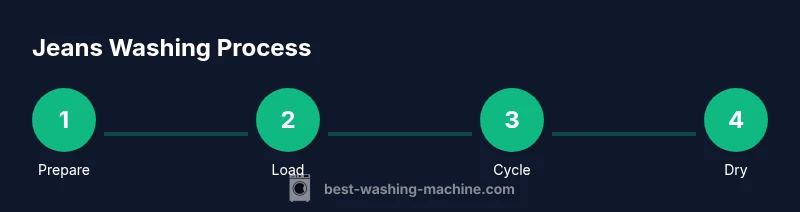
Before you start a wash, plan to tackle denim as a dedicated load. Step 1: Prepare by turning jeans inside out, fastening zippers, and emptying pockets. Step 2: Load with similar weights and colors to prevent dye transfer and fabric stress. Step 3: Select cold water on a gentle or delicate cycle and add a mild detergent. Step 4: Use a shorter, cold wash for regular denim, or a longer cold cycle for heavier fabrics when soil is present. Step 5: If stains exist, pre-treat, then rewash on cold. Step 6: Remove promptly after the cycle ends, re-shape waistband, and air-dry flat or on a rack. Why this order works: it minimizes dye loss, avoids excessive agitation, and preserves fit. If you prefer, you can run an extra cold rinse after the main cycle to further reduce detergent residues. Estimated total time: 30-40 minutes.
Drying and finishing denim: air vs heat
Air drying is the gold standard for denim longevity. When you air dry, hang jeans by the waistband or lay them flat to avoid stretching the legs. If you must use a dryer, choose a low heat or air-dry setting and remove jeans while still slightly damp to reduce heat exposure. Excess heat can cause shrinkage, especially in unwashed raw denim. Reshaping the legs while damp helps maintain the intended fit. For best results, avoid dryer cycles labeled as sanitize or heavy-duty, which can aggressively wring denim and exaggerate shrinkage over time. If denim is damp after the cycle ends, run a brief, cold air cycle to finish drying with minimal heat exposure. A final light press with a cool iron can help smooth creases without compromising fiber integrity.
Common mistakes and troubleshooting
Common errors include washing denim with heavy fabrics like towels, using hot water for colored jeans, and skipping the care tag. If denim is fading too quickly, switch to cold water and a gentler cycle in your next load; you may also wash with similar dark colors to reduce dye transfer. Over-drying in a hot dryer can lead to stiffness and shrinkage, so always prioritize air drying when possible. If your jeans come out stiff, avoid fabric softeners and instead opt for a second rinse on cold for extra fluff. Pilling is common in cheaper denim; to minimize it, avoid aggressive cycles and frequent machine washing. If you notice color transfer onto lighter fabrics, wash items separately and use a color catcher sheet in the load. If the machine begins to vibrate or leak during a jeans wash, check that the drum is balanced and that the detergent level is appropriate for the load.
How to extend denim life with routine care
Regularly washing jeans on a cold, gentle cycle is only part of preserving denim life. Rotate your denim collection so you aren’t washing the same pair every week. When possible, air dry and avoid high-heat cycles that cause fiber fatigue. Store denim properly to prevent wrinkles and creases. For raw denim, refrain from washing too often to let the fabric wear in naturally; when you do wash, follow the same cold-gentle process to maintain fit and color. Over time, a mindful care routine reduces the need for repairs and keeps your jeans looking true to their original style.
Tools & Materials
- Washing machine(Front- or top-load with cold-water capability)
- Mild detergent(Color-safe, low-foam preferred)
- Stain remover (optional)(Pre-treat heavy stains gently)
- Mesh laundry bag (optional)(Protect delicate or raw denim)
- Drying rack or clothesline(Air-dry to reduce shrinkage)
- Color catcher sheets (optional)(Minimize dye transfer when mixing colors)
Steps
Estimated time: 30-40 minutes
- 1
Prepare jeans for washing
Turn jeans inside out, zip and button up, and empty all pockets. This reduces abrasion on the outer surface and prevents lint from pockets reappearing on other garments.
Tip: Turning inside out also protects embroidery and fades less on the face of the fabric. - 2
Load with care
Place jeans in the drum with similar colors and weights. Do not overfill; a loose tumble ensures even cleaning and minimizes fiber stress.
Tip: Arrange legs straight and avoid tucking denim into itself to prevent creasing. - 3
Set cycle and water temperature
Select cold water on a gentle or delicate cycle. Cold reduces shrinkage and color loss while still cleaning soils effectively.
Tip: If your machine has a second rinse option, enable it to remove detergent residues. - 4
Add detergent and stain treatment
Use a mild detergent; avoid bleach on colored denim. Pre-treat stubborn stains with a gentle stain remover before washing.
Tip: Do not mix bleach with colored jeans; it can cause irregular fading. - 5
Run the cycle and monitor
Start the cycle and allow it to complete. If you notice excessive vibration, pause and redistribute the load before continuing.
Tip: If possible, do not interrupt the cycle once it starts for best cleaning results. - 6
Dry with care
Remove jeans promptly after the cycle ends and begin air-drying on a rack or hanger. If using a dryer, choose a low heat setting and remove while slightly damp.
Tip: Avoid high heat to prevent shrinkage; air-drying yields the best denim longevity.
FAQ
What water temperature is best for jeans?
Cold water is generally best for jeans to minimize shrinkage and fading. If stains are stubborn, a brief warm wash can be used on delicate fabrics, but cold remains safest.
Cold water is best for jeans to minimize shrinkage and fading.
Should I wash denim with other clothes?
Wash denim with similar colors and fabrics to prevent dye transfer and abrasion. If possible, wash jeans separately or with dark colors.
Wash with similar colors to avoid dye transfer.
Is it okay to use bleach on jeans?
Bleach can fade color and weaken fibers; avoid using it on most jeans. If white denim is required, use a bleach-safe, color-appropriate option.
Bleach can fade color and weaken fibers; avoid on most jeans.
How can I prevent jeans from shrinking?
Dry jeans on a low-heat setting or, better, air-dry. Removing them while damp and reshaping helps maintain the original fit.
Dry on low heat or air-dry; reshape while damp.
Should I use a dedicated cycle like delicate for jeans?
A gentle or delicate cycle with cold water is usually sufficient for most jeans; avoid heavy cycles unless the denim is exceptionally thick.
Gentle or delicate and cold is usually enough.
How often should I wash jeans?
Washing after several wears is common unless you notice odor or visible stains. Over-washing can shorten denim life.
Wash after several wears, or when needed.
Watch Video
The Essentials
- Choose cold water and a gentle cycle for jeans
- Turn denim inside out to protect color
- Air-dry whenever possible to prevent shrinkage
- Avoid bleach on colored denim
- Sort by color and weight to prevent dye transfer