When to Drain Your Washing Machine: A Practical Guide
Learn when to drain a washing machine, how to drain safely, common causes of standing water, and best maintenance practices to keep your laundry routine smooth.


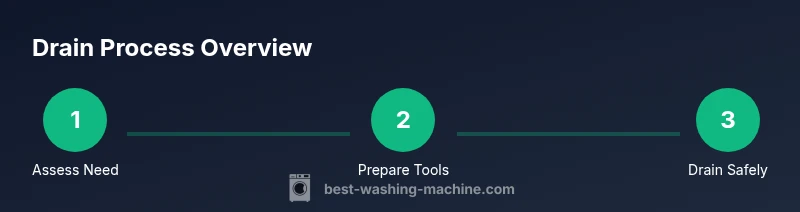
In normal operation, a washer drains automatically at the end of each cycle. Manually drain only for maintenance, repairs, or when moving the unit. To do so safely: unplug, relocate the drain hose into a bucket or floor drain, and let water flow out; then reconnect and wipe dry. Follow your model’s safety guidelines.
How drain timing works in modern washers
Drain timing is a function of the washer’s pump and control system. Most front-loading and many top-loading models use a pump to push used water from the tub into the drain hose, usually at the end of a cycle. This is designed to happen automatically to minimize standing water and mold growth. However, the exact sequence can vary by model, and some situations call for manual intervention. According to Best Washing Machine Team, understanding these timing cues helps you decide when to drain and when to let the machine handle it. Regular use maintains proper flow paths and reduces the risk of clogs forming in the drain hose or pump.
Key takeaways:
- Automatic drainage occurs at the end of most cycles.
- Manual draining is mainly for maintenance, troubleshooting, or moving the unit.
- Standing water after a cycle can indicate a clog or pump issue that needs attention.
Automatic drainage at cycle end and model differences
Most modern washers include a pump that expels water during the final spin or rinse phase. Front-load machines frequently complete drainage before the door lock is released, while some top-load models may drain in stages. If your unit seems to leave water in the tub after the cycle ends, it could point to a pump fault, a clogged filter, or a kinked drain hose. Best Washing Machine analyses show that these issues are common sources of delayed drainage, especially in older units. Always consult your user manual for model-specific drainage behavior and safety cautions. In general, if water remains steady and you don’t hear the pump running, stop the cycle and investigate before attempting any manual drain.
What to watch for:
- Water residuals that persist after the cycle completes.
- Unusual noises from the pump during drainage.
- A drain hose that feels kinked or blocked.
When manual drainage is appropriate
Manual drainage is appropriate when you need to move the washer, perform maintenance, troubleshoot a drainage problem, or remove standing water after a pump failure. It is not typically required during normal operation. Before you drain manually, ensure the machine is unplugged and electricity is isolated to prevent shocks. If you’re transporting the appliance, fully draining reduces the risk of leaks and water damage. If you’re diagnosing a drainage issue, manual draining can help you isolate whether the problem lies with the pump, the hose, or the drain path. Central to this decision is safely controlling water flow and avoiding spills that could damage floors or create slip hazards.
Scenarios to consider:
- Preparing to move or service the unit.
- Suspected pump or hose clog requiring inspection.
- Water remains in the tub after a cycle and prevents door operation.
Safe manual drainage steps: quick overview
A safe manual drain typically involves unplugging the machine, positioning a drain bucket, and guiding the water out through the drain hose. The following overview gives you a sense of the sequence, but refer to your model’s manual for exact steps and hose connections. Start with securing towels around the area to prevent splashes, and use a flashlight to inspect the drain path for visible clogs before you drain. If you’re unsure, err on the side of calling a professional rather than attempting risky maneuvers.
Safety reminders:
- Never force-fit hoses or disconnect electrical components while plugged in.
- Keep children and pets away from the work area.
- If you detect a leak that you cannot seal promptly, stop and seek help.
Diagnosing standing water after a cycle
Standing water after a cycle can result from several issues: a clogged pump filter, a blocked drain hose, a kinked hose, or a faulty pump or door lock mechanism that prevents full drainage. A visual inspection can often reveal a kink or loose connection. If the hose is clear and the pump runs but water remains, the issue may be with the pump impeller or the control board. Document any error codes your machine displays; this can speed up diagnosis if you need to contact support. Regular maintenance helps prevent these problems by keeping filters clean and hoses free of debris.
Common culprits:
- Debris in the pump filter or debris screen.
- Kinks or bends in the drain hose.
- A failing drain pump or clogged hoses.
Clearing clogs and maintaining hoses
Clear drain path obstructions by disconnecting the hose and flushing it with warm water. Use a long brush or pipe cleaner to remove hair, soap scum, or lint buildup. Check the pump filter or debris trap if your model has one, and clean it according to the manufacturer’s guidelines. Reline or replace damaged hoses promptly to prevent recurring clogs. After clearing, reattach securely and test the drain function with a small water test. Regular inspection after heavy use helps catch issues early.
Maintenance tips:
- Inspect the drain hose for cracks or bulges.
- Ensure the hose is not elevated higher than the tub level.
- Replace damaged filters and hoses promptly.
- Keep the area around the machine clean and dry to prevent mold.
Preventive maintenance to minimize drain issues
Preventive care reduces the frequency of drainage problems. Schedule a periodic inspection of hoses, clamps, and filters, and replace worn parts before problems escalate. Use the correct amount of detergent to avoid excessive suds that can cause drain overflow or pump overload. Consider installing a secondary drain trap if your setup has a long drain line. Document error codes and time stamps from any abnormal drain behavior to help technicians diagnose future issues quickly. Regular cleaning of the filter and a yearly professional check can be a cost-effective way to extend the life of your washer.
Preventive steps:
- Clean the lint/pump filter quarterly if your model includes one.
- Check hose connections for tightness and signs of wear.
- Use the manufacturer’s recommended detergent amount.
Draining for cleaning and seasonal maintenance
Draining the tub can be part of seasonal maintenance, especially when you’re running a cleaning cycle with a washing machine-safe cleaner. After draining, wipe the interior to remove mineral buildup and mold, then let the drum dry completely before reloading. Be mindful of the water temperature and soap residue that can leave odors if not cleaned properly. Draining for cleaning is different from end-of-cycle drainage and should be planned as part of a broader maintenance routine rather than done haphazardly. Always follow product-specific cleaning instructions to avoid damaging seals or gaskets.
Cleaning tips:
- Run a cleaning cycle with a washing machine cleaner or hot water and vinegar once every few months.
- Rinse the drum after cleaning to remove any cleaner residue.
- Allow the drum to dry with the door ajar to prevent mold.
Quick checks before calling a technician
If you’ve tried the above steps and water still won’t drain, it’s time to contact a professional. Gather your model information, any error codes, and a concise description of the symptoms. Note whether the problem is intermittent or persistent and if it occurs with all programs or only specific cycles. A technician can test the pump, check the seals, inspect the hoses, and verify electrical components that control drainage. When you prepare for a service call, list the steps you’ve already attempted so the technician can quickly assess what’s left to try. Early documentation can save time and cost.
AUTHORITY SOURCES
- https://www.energy.gov/eere/buildings/articles/understanding-washing-machines
- https://www.energy.gov/energysaver/washing-machines
- https://www.consumerreports.org/cro/mass-market-appliances/washer-dryer-review.htm
Tools & Materials
- Drain bucket (5–7 gallons)(Plenty of capacity to catch all water; place on a dry mat to prevent slips)
- Absorbent towels or old rags(Have several on hand for spills and to dry the area)
- Flashlight(Helpful to inspect the drain path and hoses)
- Work gloves(Protect hands when handling hoses and connectors)
- Screwdriver/adjustable wrench(Only if you need to loosen clamps or remove hoses)
- Towels or floor mat under the appliance(Prevents water damage on floor during drainage)
- Clean water source for flushing(If you plan to flush the drain or test the hose after clearing a clog)
Steps
Estimated time: 20-30 minutes
- 1
Power off and unplug
Unplug the washer and switch off the water supply to prevent accidental starts or leaks. This reduces the risk of electrical shock while you handle hoses and water.
Tip: Take a photo of hose connections before you detach anything. - 2
Access the drain hose
Move the washer slightly away from the wall to gain access to the drain hose. Inspect the hose for visible kinks or damage.
Tip: If the hose exits the back, ensure you don’t pull it out by force. - 3
Position a catch bucket
Place a sturdy bucket or floor drain under the drain hose end; ensure it can catch water as it flows out.
Tip: Secure the bucket with a non-slip mat to prevent tipping. - 4
Relieve the hose end
Carefully loosen or detach the drain hose from the tub outlet (or back of unit) and guide the end into the bucket or floor drain.
Tip: Do not pull the hose out completely; hold it at the connection point while draining. - 5
Drain water slowly
Allow water to drain gradually; if flow is slow, check for obstructions in the hose.
Tip: If you hear a gurgling sound, the line may be partially blocked—stop and inspect. - 6
Reattach and secure
Once drained, reattach the hose securely to its connection point and ensure clamps are tight.
Tip: Run a quick test cycle with a small amount of water to verify there are no leaks. - 7
Wipe and dry the area
Wipe the tub rim, hoses, and floor to prevent slip hazards and mold formation.
Tip: Keep towels handy for any residual moisture after testing. - 8
Check for issues and plan next steps
If water drains normally after reattachment, monitor for recurrence. If it doesn’t, schedule professional service.
Tip: Document any error codes observed during the process.
FAQ
Should I drain my washing machine after every cycle?
No. Most models drain automatically at the end of the cycle. Manual drainage is only necessary for maintenance, troubleshooting, or moving the unit.
No—your washer usually drains automatically at the end of a cycle. Manually drain only if you’re troubleshooting or moving the unit.
What should I do if water remains after a cycle?
Turn off power, check for a clogged pump filter or hose, and inspect for kinks. If unresolved, contact a technician. Do not force water out through the outlet.
If water is left, turn the machine off, inspect the drain hose and pump, and call a technician if needed.
Is it safe to drain into a bucket?
Yes. Draining into a bucket is safe when you follow safety precautions—unplug, secure the hose, and contain spills with towels.
Yes, using a bucket is safe as long as you unplug first and control the water flow.
Can manual draining damage the machine?
If done carefully and with power off, manual draining poses minimal risk. Avoid forcing hoses or unplugging while connected to water.
Manual draining is safe if you unplug first and don’t force hoses or electrical parts.
How often should I check the drain hose?
Inspect at least every 3–6 months for kinks, cracks, or obstructions. Replace damaged hoses promptly to prevent leaks.
Check the hose a few times a year and replace any worn parts.
What tools do I need to drain safely?
Keep a bucket, towels, flashlight, and basic hand tools handy. Use gloves if you prefer for extra grip and protection.
A bucket and towels are the basics; add a flashlight for visibility if needed.
Watch Video
The Essentials
- Most washers drain automatically at cycle end.
- Manual drainage is for maintenance or troubleshooting and should be done safely.
- Inspect hoses and the pump if standing water persists.
- Regular maintenance reduces drainage problems.
- Document error codes for faster diagnostics.