Whirlpool Washing Machine Cleaning: Step-by-Step Guide
Learn how to clean your Whirlpool washing machine effectively with our step-by-step guide. Prevent odor, improve performance, and extend lifespan with safe, easy techniques.


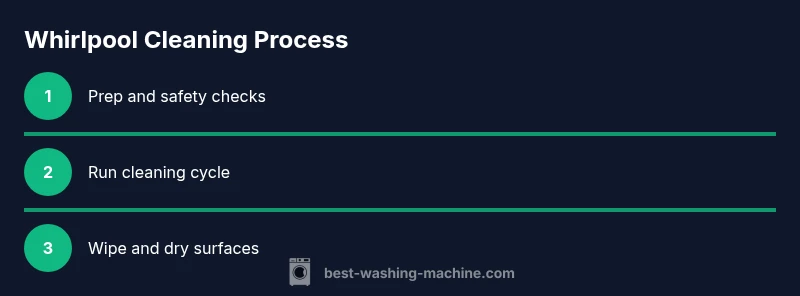
This guide will show you how to clean a Whirlpool washing machine safely and effectively. You'll learn the essential prep, the right cleaners, and the exact steps to remove residue, odors, and mold. By following this method, you'll restore drum hygiene and extend your washer's life. This plan covers do-it-yourself maintenance, safety notes, and when to call a professional.
Why Regular Cleaning Matters for Whirlpool Washers
Regular cleaning is essential for maintaining performance, preventing odors, and extending the life of your Whirlpool washer. Over time, soap scum, minerals from hard water, and fabric softener residues accumulate inside the drum, gasket, and hoses. This buildup can cause longer wash times, uneven cleaning, and musty smells. According to Best Washing Machine analysis, a scheduled cleaning routine helps keep your appliance hygienic and efficient, reducing energy use and the need for costly repairs. Start with a simple monthly routine to remove surface residues, then perform deeper cleanings a few times a year. Front-load models, with their flexible door seals, are particularly susceptible to mold when left damp, so regular wiping and drying are important. By caring for your washer, you maintain fabric freshness and protect investments in the long run.
Understanding Whirlpool Washer Designs
Whirlpool washers come in several configurations, with front-load and top-load designs being the most common. Front-load models tend to seal moisture around the door gasket, which can harbor mold and mildew if not dried properly. Top-load machines usually have different interior geometries, which can influence how you apply cleaners and rinse cycles. Regardless of design, buildup on the drum, gasket, and dispenser areas affects cleaning performance and odor. Knowing your model’s design helps you target problem areas—gasket folds for front-load and the tub-edge areas for top-load—so cleaning is both effective and safe.
Preparing Your Cleaning Plan
Before you begin, unplug the machine, move it away from the wall, and have your cleaning supplies within reach. Check your Whirlpool model’s manual for any model-specific cautions or built-in cleaning cycles. Create a simple routine: a quick surface wipe monthly plus a more thorough cleaning every few months. Document your routine on a calendar or digital note so you don’t skip steps. This planning stage reduces guesswork and ensures you use the correct solutions for your machine.
Choosing Safe Cleaning Agents
Safe cleaning agents protect seals and electronics while removing buildup. White vinegar and baking soda are popular natural options that work well for many Whirlpool models when used correctly. Use mild dish soap for light scrubbing and a dedicated washer cleaner if you prefer a commercial product. Avoid highly caustic cleaners and always read the manual to verify compatibility. Never mix ammonia-based cleaners with bleach, as this can produce toxic gases and damage components.
Step-by-Step: Cleaning the Drum and Gasket
Drum and gasket cleaning targets mold-prone areas. Start by wiping the inner drum with a microfiber cloth dampened with a vinegar solution. Then lift and wipe the door gasket, paying attention to folds where mildew settles. Inspect for trapped items or buildup behind the gasket lip. Dry the gasket thoroughly to prevent future mold growth. This prep reduces odors and improves overall cleaning efficacy.
Step-by-Step: Cleaning Detergent Dispenser and Tub
Detergent dispensers accumulate soap scum and mold. Remove the dispenser if possible, soak it in warm water with a mild soap, then scrub with a soft brush. Rinse thoroughly before reinstalling. Clean the inlet tub and any reachable tub surfaces with a vinegar solution and wipe dry. Keeping the dispenser clean helps prevent residue from transferring to clothes during washing.
Step-by-Step: Drain, Hose, and Filter Inspection
Inspect accessible hoses and any filters for signs of buildup or mildew. Detach hoses only if you can do so safely and without forcing connections. Rinse with clean water to remove loosened debris, then reattach securely. If your model has a lint filter or screen, clean it gently with a brush and reinsert. Regular inspection prevents clogs and improves drainage, contributing to a cleaner drum environment.
Odor Sources and How to Neutralize Them
Odors originate from mold in seals, leftover detergent, and mineral buildup. Neutralize odors by running a hot water cycle with vinegar, followed by a baking soda rinse. After cleaning, leave the door open to air out the drum and gasket. Regularly wipe dry and retreat any damp areas promptly after use to prevent recurrences.
Preventive Care: Monthly and Seasonal Routines
Set a lightweight monthly wipe-down for the gasket and a quarterly deep clean using either vinegar or a washer cleaner. In areas with hard water, consider a mineral-removing cycle or water-softening plan recommended by your model’s manual. Keep the area around the machine dry and free of laundry items that can trap moisture. A consistent routine keeps the washer fresh and ready for every load.
Common Mistakes to Avoid
Avoid using abrasive pads that could scratch the drum or gasket. Do not mix cleaners with unknown residues or solvents. Never run a cleaning cycle with clothes inside the drum. Don’t ignore musty smells; persistent odors mean deeper issues that require targeted cleaning or professional help.
Troubleshooting Cleanliness Issues
If odors persist after cleaning, recheck for hidden mold in the gasket folds, inspect the drain hose for clogs, and confirm the detergent dispenser is completely dry before reusing. Some odors may indicate a problem with low water temperature; adjust cycles or consult your manual for appropriate cleaning modes.
When to Call a Professional
If you notice persistent odors, mold growth beyond the gasket, leaking water, or unusual noises after cleaning, seek a professional service. A technician can inspect seals, hoses, and the exchange system to identify underlying issues and prevent further damage.
Tools & Materials
- Microfiber cloths(For wiping drum, gasket, and dispensers)
- Soft brush(Scrub tight areas and dispensers)
- Spray bottle(Fill with cleaning solution (vinegar/water))
- Bucket(Optional for soaking parts)
- White vinegar (5% acidity)(Deodorizes and dissolves mineral buildup)
- Baking soda(Odor neutralizer and gentle scrubber)
- Mild dish soap(Light cleaning of dispensers and tub surfaces)
- Gloves(Protect hands during cleaning)
- Old toothbrush(Reach tight gasket corners)
Steps
Estimated time: 90-120 minutes
- 1
Unplug and prepare
Disconnect power and move the washer enough to access the back and sides. Remove items from the drum and pull the unit away from the wall to prevent accidental contact with hoses. Gather all cleaning supplies within arm’s reach and check the manual for any model-specific cautions.
Tip: Safety first: ensure the machine is fully unplugged before handling any internal components. - 2
Run empty hot cycle with vinegar
Program an empty wash on the hottest setting available and add white vinegar to the drum or dispenser as your cleaner. The hot water helps dissolve mineral buildup and loosens soap scum so it can be flushed out in the cycle. Do not add clothes during this step.
Tip: Avoid mixing vinegar with other cleaners in the same cycle to prevent unwanted chemical reactions. - 3
Wipe drum and gasket interior
After the cycle completes, open the door and wipe the interior drum with a microfiber cloth dampened with a vinegar solution. Lift the gasket lip and wipe the folds to remove any visible mold or residue. Dry thoroughly to prevent regrowth.
Tip: Pay special attention to folds where moisture hides. - 4
Clean the detergent dispenser
Remove the dispenser if possible and clean it with warm water and a mild soap. Scrub away residue with a soft brush, rinse well, and dry before reinstalling. Clean the surrounding tub area to prevent transfer of residue to the next load.
Tip: Rinse the dispenser completely to avoid soap residue in future washes. - 5
Flush hoses and inspect filters
Inspect accessible hoses for signs of buildup or cracks. If safe, detach and rinse the ends with clean water. Check any filters or screens for lint and wash or replace as needed.
Tip: Only perform hose work if you can securely reconnect and there are no leaks. - 6
Deodorize with baking soda
Place a small amount of baking soda in the drum and run a short hot cycle with fresh water to neutralize odors. This step helps remove lingering smells without harsh chemicals.
Tip: Do not mix baking soda with vinegar in the same cycle. - 7
Dry and finalize
Wipe all surfaces dry, leave the door slightly ajar to air dry, and ensure the area around the washer is free of moisture. Return the machine to its normal position and plug it back in after it’s completely dry.
Tip: Air-drying prevents mold from returning between uses.
FAQ
How often should I clean my Whirlpool washing machine?
Most households benefit from a monthly wipe-down and a deeper clean every 2-3 months, depending on usage and water hardness. If you notice odors or visible residue, increase cleaning frequency.
Clean monthly and do a deeper clean every few months, especially if you have hard water or fragrances that leave residue.
Can I use vinegar to clean Whirlpool washers?
Yes, vinegar is generally safe for many Whirlpool models when used in moderation and not mixed with bleach. Always check your user manual for model-specific cautions.
Vinegar is usually safe, but avoid mixing with bleach and follow your model’s recommendations.
What if I see mold around the gasket?
Wipe the gasket folds with a cloth soaked in vinegar solution, then dry thoroughly. If mold recurs, consider replacing the gasket or seeking professional help.
Wipe those folds well and dry; persistent mold may require professional inspection.
Is it OK to use bleach in my Whirlpool washer?
Bleach can be used in some models, but frequent use may damage seals. Always consult the manual and use the minimum effective amount.
Bleach can be used on some models, but don’t overdo it—check your manual first.
Do I need to remove the agitator for cleaning?
Most front-load washers do not require agitator removal for cleaning. Check your model’s guide; if it has an agitator, follow the manufacturer’s cleaning steps.
Usually you don’t need to remove the agitator; follow your model’s cleaning steps if present.
Why does my washer still smell after cleaning?
Persistent odors often indicate hidden mold in the gasket or buildup in hoses. Repeat the cleaning steps or consult a pro if odors persist.
If the smell lingers after cleaning, there may be hidden mold or buildup—repeat steps or get help.
Watch Video
The Essentials
- Schedule regular cleanings to prevent buildup
- Use safe cleaners compatible with your model
- Clean drum, gasket, and dispenser for best results
- Rinse and dry thoroughly to prevent mold
- Persistent odors or leaks require a professional service