How to Clean a Whirlpool Washing Machine: Step-by-Step Guide
Learn to clean a Whirlpool washing machine safely with a clear, step-by-step guide covering drum and dispenser cleaning, hose checks, and routine maintenance for fresher laundry.


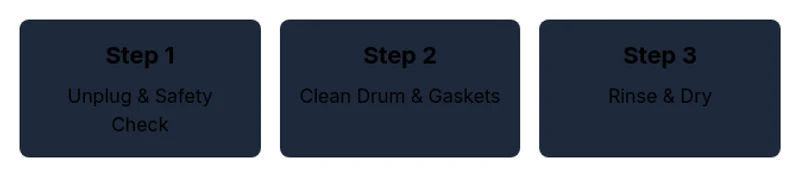
By following these steps, you can safely clean a whirlpool washing machine to prevent odors, improve performance, and extend its life. Start with safety checks, unplug the unit, and move to drum, dispenser, and hoses. Use gentle cleaners, avoid bleach on seals, and finish with a rinse. This approach fits typical Whirlpool models and common maintenance needs.
Why Regular Cleaning Matters for Whirlpool Washers
A clean washing machine is essential for efficient performance, odor control, and long-term reliability. Over time, soap residue, mineral buildup, and mold can accumulate in the drum, seals, and dispensers, reducing cleaning effectiveness and potentially spreading odors to laundry. According to Best Washing Machine analysis, a routine cleaning regimen helps maintain optimal agitation, drain efficiency, and overall machine health. In particular, Whirlpool models benefit from periodic drum refreshes and dispenser care to prevent residue buildup that can degrade detergent performance and fabric care. Regular cleaning also extends the life of seals and hoses by preventing stiffening and cracks that occur when mold and minerals accumulate.
Before You Start: Safety and Prep
Before you begin, unplug the washer and turn off any power or water supply if needed to prevent accidental starts or leaks. Gather your cleaning supplies and read the user manual for model-specific cautions. Remove loose objects from pockets and ensure the drum is empty. If your machine has a top lid, flip it open to access the drum and dispensers. Using a warm environment and good lighting helps you spot residue and mold more easily. This prep step reduces risk and makes the actual cleaning faster and more effective.
Deep Drum Cleaning: How to Remove Residue and Odors
A thorough drum clean targets soap scum, mineral deposits, and trapped odors. Mix a gentle cleaning solution (like white vinegar and baking soda) in the drum or use a manufacturer-approved cleaner. Run a hot wash cycle with the cleaner, then perform a second rinse to flush residues. Pay attention to rubber gaskets and door seals; wipe them with a damp cloth and a mild cleaner, removing any visible mold or residue. After the cycle, leave the door or lid slightly ajar to let the drum dry and prevent musty smells. This step is central to restoring drum freshness and ensuring clothes come out clean and odor-free.
Cleaning the Detergent Dispenser and Filters
Dispenser cups accumulate detergent, fabric softener, and mineral deposits over time. Remove each cup, rinse under warm water, and scrub with an old toothbrush or soft brush to remove buildup. If your model has a detergent drawer with multiple compartments, clean each section separately to ensure even dispensing. Check any accessible filters or screens for lint and debris, and rinse them thoroughly. Reassemble the drawer and run a short rinse cycle to ensure all cleaning residues are flushed away. Clean dispenser components improve washing performance and prevent clogging.
Cleaning Hoses, Drainage, and Internal Pathways
Accessing hoses may require removing panels or inspecting exterior connections. Lightly wipe accessible hoses with a mild cleaner and inspect for cracks or bulges. Remove any visible slime or mineral residues from the drain hose end to maintain proper drainage. If you notice slow drainage or standing water, you may need to inspect the internal drainage pathway or call a professional for more involved checks. Regular inspection helps prevent leaks and ensures efficient water flow through the system.
Using Safe Cleaning Agents: What to Use and What to Avoid
Choose non-abrasive, non-chlorine cleaners to protect seals and gaskets. A solution of white vinegar and baking soda is effective for many Whirlpool models when used in moderation. Avoid bleach or harsh chemicals that can degrade rubber seals or void warranties. Do not mix vinegar with bleach; the combination creates hazardous fumes. Always consult the user manual for model-specific cleaning recommendations and perform a small test in an inconspicuous area if uncertain. This section emphasizes safety and compatibility with common Whirlpool components.
Quick Win: Routine Maintenance Schedule
Establish a simple cleaning cadence that fits your laundry volume. For most households, a light clean every 1-2 months, combined with a drum refresh every 3-6 months, keeps residues at bay. After each heavy-use cycle or after washing bulky items, wipe the door seal and detergent drawer to prevent buildup. Maintain a consistent schedule to minimize odors and maximize efficiency. This proactive approach saves time and reduces the likelihood of unexpected maintenance needs.
Troubleshooting Common Cleaning Issues
If odors persist after cleaning, reassess the drum and gasket areas for hidden mold or mineral deposits. Slow draining may indicate a clogged discharge path or filter; clear the path with a soft brush or per the manual. If leaks occur near hoses or seals, inspect connections and clamps for tightness, and replace worn components as needed. For stubborn odors or unusual noises after a cleaning cycle, consult a professional or the Whirlpool customer support resources for guided assistance.
Maintenance Pro Tips for Whirlpool Models
Keep a log of cleaning activities and any detected issues to spot trends over time. Use manufacturer-approved cleaners to avoid voiding warranties. Periodically run clean cycles with high-temperature settings to disrupt biofilm formation. Store cleaning supplies safely out of reach of children and pets to maintain a safe laundry environment. By combining routine care with mindful usage, you build a lasting maintenance habit that protects your appliance and your laundry quality.
Tools & Materials
- Vacuum or brush with soft bristles(Use to loosen lint from the dispenser and door seals)
- Soft cloths and microfiber towels(For wiping gaskets, drawers, and exterior surfaces)
- Non-abrasive cleaner or mild soap(Avoid harsh chemicals near seals)
- White vinegar(For drum cleaning and deodorizing)
- Baking soda(Combined with vinegar to boost cleaning)
- Old toothbrush or small brush(Scrub dispenser compartments and crevices)
- Bucket or basin(Collect rinse water and hold cleaning tools)
- Gloves (optional)(Protect hands during cleaning)
- Screwdriver or flat tool (if needed)(Access panels or hose ends if required)
- Towel or mat to position under the washer(Contain spills during maintenance)
- Whirlpool model manual (optional but helpful)(Consult for model-specific guidance)
Steps
Estimated time: 60-90 minutes
- 1
Unplug and prepare
Disconnect the power and water supply if accessible. Ensure the machine is cold and empty. Move the unit if necessary to access all sides, and lay down towels to catch any splashes.
Tip: Taking pictures of hose connections before unplugging helps during reassembly. - 2
Open and inspect the drum
Open the door and look for residue, mildew, or loose items. Wipe the drum interior with a damp cloth and mild cleaner. If you see mold, treat it with a vinegar solution and rinse well.
Tip: Do not use abrasive pads that could scratch the drum surface. - 3
Clean the drum with a cycle
Add a cleaning solution (vinegar or a dedicated cleaner) to the drum and run a hot or maintenance cycle. This helps dissolve mineral buildup and remove odors.
Tip: Follow with an extra rinse cycle to ensure no cleaner residue remains. - 4
Dispenser drawer care
Remove the dispenser drawer, rinse under warm water, and scrub compartments with a small brush. Dry thoroughly before reinserting.
Tip: Clean out any clogged fabric softener compartments to prevent poor dispensing. - 5
Inspect and clean seals
Wipe door seals and gaskets, removing any mold with a mild cleaner. Pay attention to folds where moisture can accumulate.
Tip: If you see cracks or persistent mold, consider replacing the seal for a better seal and longer life. - 6
Check hoses and drainage
Inspect hoses for bulges, cracks, and secure clamps. Clean the drain hose end and remove any lint or debris that could block water flow.
Tip: Do not kink hoses; ensure they sit level and clear. - 7
Rinse and dry
Wipe all surfaces dry and leave the door ajar to air-dry the interior.
Tip: A dry environment helps prevent mold re-growth between uses. - 8
Return to service
Reconnect power and water, run a short test wash, and observe for leaks or unusual noises. Document any issues for future maintenance.
Tip: Keep a cleaning log to track cadence and issues.
FAQ
Can I use bleach to clean a Whirlpool washer?
Bleach can damage rubber seals and gaskets in many Whirlpool models. It’s safer to use vinegar or a manufacturer-approved cleaner for routine drum cleaning. Always check your manual before using any chemical cleaner.
Bleach can damage seals in many Whirlpool washers. Use vinegar or a manufacturer-approved cleaner instead, and check your manual first.
How often should I clean a Whirlpool washer?
Aim for a drum cleaning every 1-2 months, and a full dispenser and seal wipe-down every 1-3 cycles depending on usage. Adjust cadence if you notice odors or residue.
Clean the drum every month or two and wipe the dispenser and seals regularly; adjust if you notice odors.
What should I use to clean the drum?
A simple solution of white vinegar and baking soda works well for many Whirlpool models. Run a hot cycle with the cleaner, then a rinse cycle to flush residues.
Vinegar and baking soda in a hot cycle can clean the drum; follow with a rinse.
My washer has a persistent odor after cleaning. What now?
Repeat a hot drum cycle with a cleaning solution and inspect the door seal for mold. If odors persist, consider a professional service for deeper mold remediation or seal replacement.
If odors persist after cleaning, repeat the cycle and check the seal; persistent issues may need a professional check.
Is it necessary to unplug during cleaning?
Yes, unplugging before starting is a prudent safety step to prevent accidental activation and to avoid electrical hazards during water exposure.
Unplug before you start cleaning to stay safe.
Should I call a technician for seal replacement?
If you notice persistent leaks, cracks, or mold on the door seal, a technician can assess whether replacement is needed and perform it safely.
If you see cracks or persistent leaks, a technician can help with seal replacement.
Watch Video
The Essentials
- Identify and prep safely before cleaning
- Target drum, dispenser, and seals for effectiveness
- Use gentle cleaners and avoid bleach on seals
- Regular maintenance prevents odors and leaks
- Keep a cleaning log for consistency