Why Don't Washing Machines Last Longer: Causes, Lifespan & How to Extend It
Explore why washing machines often don’t last as long as expected, the main wear points, and practical tips to extend lifespan. Learn what drives longevity and how to choose durable models in 2026.


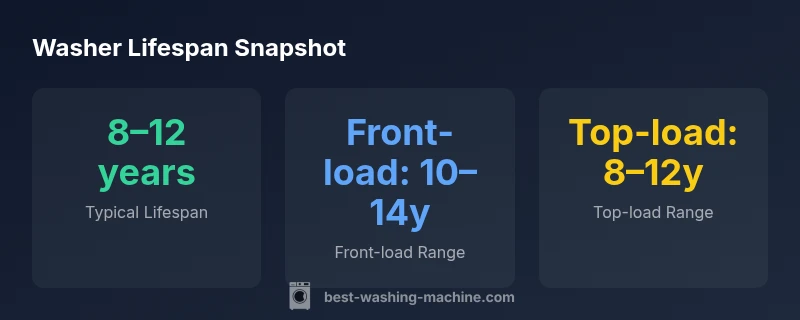
On average, washing machines last about 8–12 years, but many fail earlier due to worn belts, bearings, drum seals, and electronic controls. Longevity depends on load type (front-load vs top-load), usage patterns, detergent choices, and maintenance habits. According to Best Washing Machine Analysis, 2026, design decisions and repairability largely determine whether a unit reaches the upper end of its lifespan.
Why don't washing machines last longer
In this discussion we explore the question many homeowners ask: why don’t washing machines last longer? From the perspective of maintenance, design, and usage, there are several consistent patterns. The Best Washing Machine team notes that longevity is a balance between wear-prone components, user behavior, and the repairability of the machine. While many models last 8–12 years in typical home environments, substantial variance exists based on how a unit is used. Understanding the core failure modes helps buyers and owners make better choices and apply practical care to push lifespans higher.
What wears out first: components that limit lifespan
The most common culprits behind shorter lifespans are mechanical and electronic wear points. Belts and pulleys wear down with frequent high-speed spins. Bearings support the drum and can degrade from heavy loads or imbalanced cycles. Drum seals and door gaskets face constant exposure to detergents and water, leading to leaks or mold if not properly maintained. Control boards and sensors are increasingly complex; when they fail, the entire unit can become unusable. Friction, heat, and voltage spikes can accelerate wear in these parts, especially in older homes with fluctuating power. Recognizing these weak points helps you plan proactive maintenance rather than waiting for a full-system failure.
How usage patterns affect longevity
Usage patterns exert a strong influence on lifespan. Regularly overloading machines, using high-temperature cycles for delicate fabrics, and washing with heavily soiled loads can accelerate wear on seals, bearings, and the drum. Short-cycle runs may not allow internal components to heat evenly, leading to stress. Detergent choice and water hardness also matter; residues from harsh detergents can accelerate corrosion of metal components and irritate gaskets. Family size, load variety (heavy bedding vs. everyday clothing), and frequency per week determine cumulative wear. In short, even a well-built machine will age faster under aggressive usage if maintenance steps are skipped.
Design and manufacturing factors that influence durability
Durability is shaped by core design decisions and manufacturing practices. Materials like stainless steel drums resist wear better than cheaper alloys, but cost constraints push many models toward mixed materials. The way components are connected—bolts, adhesive bonds, and modular assemblies—affects serviceability. Repairability matters: machines designed with modular parts and widely available replacement components tend to outlive those with sealed, non-serviceable internals. Electronics risk is rising as controls become more sophisticated; although features improve performance, they can add vulnerability if the supply chain or firmware support ends. The Best Washing Machine Analysis, 2026 highlights that consumer value in durability often aligns with repair-friendly design and documented service histories.
Maintenance practices that extend life
Proactive maintenance is a proven lever to extend lifespan. Regularly clean the lint filter and detergent dispenser to prevent clogs. Wipe down door seals to prevent mold and to inspect for cracks. Check hoses for bulges or leaks and replace aged hoses proactively. Level the washer on a hard floor to reduce vibration on bearings. Run occasional maintenance cycles designed to clean the drum and remove mineral buildup. Finally, avoid leaving doors ajar after cycles to minimize moisture exposure in seals. Adopting a simple quarterly routine can meaningfully slow wear and delay major repairs.
Choosing a washer with durability in mind
When shopping, prioritize models with documented repairability, readily available parts, and a solid warranty on motors and drums. Look for user-reported reliability data and third-party durability tests. Front-load models often show strong efficiency gains, but their seals and bearings must be robust to realize long lifespans. If you value longevity, select units with a modular design and a reputation for serviceability. Reading maintenance-focused reviews and checking the manufacturer’s service network can reveal how easy or difficult it is to keep a unit running beyond the warranty period.
Estimated Lifespan by Washer Type
| Washer Type | Typical Lifespan | Common Wear Points |
|---|---|---|
| Front-load | 10-14 years | Door seal, bearings, drum, interlock |
| Top-load (HE) | 8-12 years | Agitator, transmission, belt |
| Top-load (Standard) | 7-12 years | Belt, timer, gearcase |
FAQ
How long do most washing machines last?
Most washers last about 8–12 years, with variability based on usage and maintenance. Front-load models can reach the upper end when cared for properly.
Most washers last eight to twelve years, especially when you follow a regular maintenance routine.
What are the biggest factors that reduce lifespan?
Wear on belts, bearings, seals, and electronic controls are common failure points. Overloading and aggressive cycles accelerate wear and tear.
Belts, bearings, seals, and electronics wear fastest, especially with heavy loads and rough cycles.
Can regular maintenance extend a washer's life?
Yes. Cleaning filters, inspecting seals, and replacing aging hoses can delay major failures and keep performance steady longer.
Yes—routine maintenance can significantly extend life.
Do energy-efficient models last longer than others?
Durability isn’t guaranteed by efficiency labels. Reliability depends on build quality and parts; some efficient models last long, others don’t.
Efficiency helps operating costs, but longevity depends on design and maintenance.
Is it better to buy a repairable model?
Repairable models with modular components tend to outlive non-serviceable counterparts due to easier part replacement and service access.
Yes—repairable designs tend to last longer.
What monthly maintenance tasks should I perform?
Check hoses, clean filters, wipe seals, and run a drum-clean cycle. Keep the area dry and well-ventilated to prevent mold and corrosion.
Check hoses, clean filters, and run a drum-clean cycle monthly.
“Durability is as much about maintenance as design. Models that are easy to service tend to last longer because parts are replaceable and repairs are economical.”
The Essentials
- Prioritize repairable designs to extend life.
- Proper load size and gentle cycles reduce wear.
- Maintenance is a cost-effective longevity strategy.
- Durability varies by model; expect ranges rather than fixed years.
- Choose models with available replacement parts and strong service networks.