How to Replace a Washing Machine Water Valve
Learn to replace a washing machine water valve safely with a clear, step-by-step guide. Tools, safety, valve selection, and leak testing included.


In this guide, you will learn how to replace a washing machine water valve by safely shutting off power and water, draining lines, removing the old valve, installing a compatible replacement, reconnecting hoses, and testing for leaks. This process requires basic hand tools, a replacement valve that matches your model, and careful attention to fittings. Follow safety steps and refer to your model manual as needed.
Why replacing the water valve matters
A washing machine’s water inlet valve is the gatekeeper for hot and cold water entering the drum. When the valve corrodes, sticks, or develops leaks, you may see constant dripping, slow filling, or overfilling. Replacing the valve promptly can prevent water damage, reduce utility waste, and restore normal operation. According to Best Washing Machine, valve failures are a common cause of leaks in many homes. If you notice water pooling around the valve area, persistent leaks from the inlet connections, or failure to fill correctly, plan to inspect and potentially replace the valve. This task is part of routine maintenance and fixes that help protect your laundry space from dampness and mold growth.
Valve types and compatibility
Inlet valves on residential washing machines are typically two-port devices with one valve body and two solenoids that control hot and cold water. Some models have four-port configurations or integrated mixing features. The replacement valve should match the number of ports, the mounting pattern, and the electrical connector type used by your washer. Before buying a valve, identify the model and serial number of your machine, then compare valve specifications such as port count, thread size, and connector orientation. Keep in mind that even small differences in pipe threads or valve depth can prevent a proper seal or fit. If in doubt, bring the old valve to a parts supplier so you can compare side by side.
Safety considerations and prep
Safety always comes first when replacing a water valve. Start by unplugging the washing machine from the wall outlet to prevent any electrical shock. Then shut off both the hot and cold water supply valves to stop water flow to the machine. Place a towel or shallow container under the valve area to catch any residual water in the hoses. If your laundry area has a floor drain, position towels toward the drain to facilitate quick cleanup. Keep children and pets away from the work area. If you detect any gas or unusual odors, leave the area immediately and call a professional.
How to identify your valve model
Valve models are often labeled on the valve body itself or on the mounting plate. Look for a part number, model name, or a serial number printed or stamped on the valve. If you cannot locate a label, compare the valve’s shape, port arrangement, and hose connections to pictures in your washer’s service manual or on the manufacturer’s website. It’s also wise to check the user guide for the valve installation instructions, which can provide exact part numbers. Once you have the model, search for the replacement valve that matches the exact specifications and include a new gasket or O-ring if the kit provides one.
Common mistakes and how to avoid them
Rushing the replacement can lead to leaks or electrical hazards. Avoid overtightening fittings, which can crack plastic housings or strip threads. Do not reuse old seals if the kit provides new gaskets or O-rings. Always verify that the valve is properly seated and that every connection is aligned before tightening. Skipping a pressure test after installation can leave hidden leaks; always test with water before loading laundry. Finally, neglecting documentation or photos of the process can make future maintenance harder—document the steps for your records.
What to expect during the replacement process
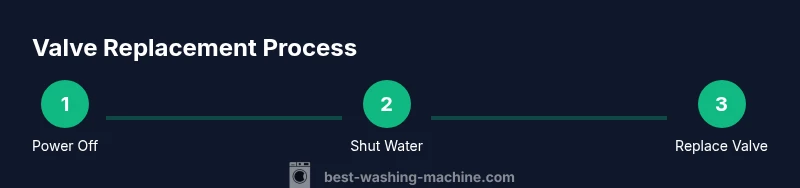
Replacing a washer valve typically involves disassembly of a rear or bottom panel to access the valve housing. The sequence usually includes disconnecting power, shutting off water, removing hoses, detaching the valve from its mount, and installing the replacement. While performing this task, work methodically and take photos of the valve orientation to replicate it with the new part. Expect a brief amount of water spillage even with the water shut off, so keep towels handy. If your model uses a complex wiring harness, refer to the service diagram to avoid incorrect wiring.
Post-install testing and maintenance
After installing the new valve, reconnect the hoses, plug in the machine, and slowly turn on water to check for leaks at every connection. Run a short test cycle with no load to observe fill, drain, and cycle transitions. If you detect any leaking, immediately power down and re-tighten connections or reseat O-rings as needed. Keep an eye on the valve for the first few cycles to ensure stability. Periodic inspections of the inlet hoses and valve area will extend the life of the valve and help prevent unexpected leaks.
When to call a professional
If you’re unsure about the valve type, or if you encounter stubborn leaks, electrical faults, or a valve that is embedded behind a difficult panel, it’s wise to seek professional service. A licensed technician can confirm part compatibility, perform a high-quality seal, and check for underlying issues such as thread damage or valve body corrosion. For warranty-covered units, consult your warranty terms before attempting DIY replacement, as improper installation can affect coverage. Remember, safety is paramount when dealing with electrical components near water.
Tools & Materials
- Replacement inlet valve compatible with your model(Ensure port count and thread size match the existing valve)
- Adjustable wrench(Use to loosen fittings on hoses and valve mount)
- Nut driver or screwdriver (Phillips/flat-head)(Remove screws securing valve assembly)
- Pliers(Grip hoses and small components without crushing)
- Teflon tape (plumber's tape)(Seal threaded fittings to prevent leaks)
- Towels or a small bucket(Catch residual water and keep area clean)
- Bucket or shallow tray(Optional catch basin for larger spill risk)
- Silicone gasket or O-ring (if included in kit)(New seal to ensure a proper fit)
- Multimeter or voltage tester (optional)(Verify no residual electrical risk if component is near wiring)
Steps
Estimated time: 60-120 minutes
- 1
Unplug the washer
Physically unplug the appliance from the wall outlet to eliminate any risk of electrical shock during work. This step resets power and keeps you safe while you inspect the valve area. If the plug is difficult to reach, switch off the circuit at the breaker first, then unplug the unit.
Tip: Always confirm the power is off by attempting to plug in a device elsewhere to ensure the outlet is live. If not, you’re safe to proceed. - 2
Shut off water supply
Close both cold and hot water supply valves feeding the washer to stop water flow. This is essential to prevent leaks when disconnecting hoses. If your valves are reverse-rotating, use a wrench to hold the valve body while turning the handle.
Tip: Have towels ready to absorb any remaining drips; this reduces mess and slip hazards. - 3
Relieve residual pressure and drain hoses
Place a towel under the valve area and slowly loosen the hose connections to allow residual water to drain. Keep the towels in place to prevent floor damage and to simplify cleanup. Do not yank hoses; loosen fittings gradually to avoid damaging threads.
Tip: Work over a shallow tray if possible to capture water without making a big mess. - 4
Disconnect inlet hoses from valve
Using the appropriate wrench, carefully loosen the inlet hose fittings from the valve. Detach hoses in a controlled manner and set them aside, keeping track of which hose connects to hot and cold ports. Do not twist or kink hoses during removal.
Tip: Label hoses with a bit of tape if you’re worried about misattachment on reassembly. - 5
Remove mounting screws securing valve
Remove screws or bolts that secure the valve body to the cabinet or frame. This frees the valve so you can replace it with the new unit. If screws are stuck, apply a small amount of penetrating oil and allow a minute before reattempting.
Tip: Retain screws in a magnetic tray to prevent loss. - 6
Extract old valve and inspect seating
Gently lift the old valve from its opening, noting orientation and the position of any O-rings or gaskets. Inspect the valve seat for corrosion or deposits and plan to replace any worn seals. Take a photo for reference if the wiring or hoses are complex.
Tip: Check for any signs of cross-threading; if you see damage, replace the entire valve assembly. - 7
Install new valve and route connections
Place the new valve into position, ensuring correct orientation for hot vs. cold ports. Reattach the mounting screws, then apply Teflon tape to threaded hose connections before reinstalling hoses. Tighten fittings evenly to avoid leaks but avoid overtightening that could crack fittings.
Tip: Hand-tighten first, then snug with a wrench to prevent cross-threading. - 8
Reconnect hoses and power
Reconnect the inlet hoses to the valve, ensuring the hot and cold connections go to their correct ports. Reassemble any panels that were removed and plug the washer back in. Do not restore power until you verify everything is secure.
Tip: Double-check hose alignment to prevent kinks that restrict flow. - 9
Test for leaks and function
Turn the water supply back on gradually and power on the machine. Run a short test cycle to observe fill and drain steps, checking all connections for leaks. If a leak is detected, power down and tighten the fitting or reseat the O-ring as needed.
Tip: Test with clothes out of the drum for safety before loading a full wash.
FAQ
Can I replace the washing machine water valve myself?
Yes, a capable homeowner can replace it with the right tools and safety precautions. If you’re unsure about electrical or plumbing aspects, consult a professional. Always consult your warranty for restrictions.
Yes, you can replace it yourself if you’re comfortable with basic plumbing and electrical safety. If unsure, hire a professional.
What are common signs of a failing water valve?
Common signs include persistent leaks at the inlet, slow or no water flow, clicking sounds from the valve, or error codes related to filling. These indicate the valve or its solenoids may be failing.
Leaks, weak fill, or unusual noises from the valve often mean replacement is needed.
Do I need to drain the entire washer before replacement?
You should drain residual water from hoses and the valve area to minimize spills. Shutting the water off and having towels ready helps manage any remaining liquid.
Yes, drain residual water and be prepared for spills.
Can I reuse old hoses after valve replacement?
Inspect hoses for cracks, stiffness, or bulges. If any signs of wear are present, replace with new hoses to prevent leaks and future failures.
If hoses show wear, replace them; reuse is not recommended.
How long does a valve replacement take?
A typical replacement can take about an hour or two, depending on your model, access to the valve, and whether you need to remove panels. Allow extra time for testing for leaks.
Most replacements take about one to two hours, plus testing.
What tools are essential for this task?
You’ll need basic hand tools, replacement valve, Teflon tape, towels, and a container. Some models may require a screwdriver or nut driver and pliers.
Common hand tools and the replacement valve are all you need, plus tape for seals.
Watch Video
The Essentials
- Shut off power and water before starting.
- Match the replacement valve to your model exactly.
- Inspect seals and test for leaks after installation.
- Document steps to simplify future maintenance.