Drain Pump for Maytag Washing Machines: Comprehensive Guide
Diagnose, test, and replace the drain pump in Maytag washers. This Best Washing Machine guide covers symptoms, compatibility (front-load and top-load), replacement steps, cost ranges, and maintenance to keep your washer draining smoothly.


The drain pump for a Maytag washing machine is the small impeller-driven component that pushes wash water out of the tub. When it fails, the drum may not drain, you may hear a buzzing or see error codes, and water can remain in the tub. Replacing the pump is a common DIY repair on many Maytag front-load and top-load models, often with modest parts cost.
What the drain pump does in a Maytag washer
The drain pump is the component that removes used water from the tub after a wash or rinse. In most Maytag front-load and top-load machines, the pump is located near the bottom behind a service panel. When the impeller turns, it creates suction to push water through the drain hose and out of the house. A healthy pump supports efficient draining and helps the washer complete cycles on time. If you notice standing water, slow draining, or error codes that reference draining, the pump should be checked as a likely culprit.
Symptoms of a failing drain pump
Typical signs of a failing drain pump in Maytag units include water remaining in the drum after the cycle, a loud buzzing or grinding sound when draining, or the washer stopping mid-cycle with a drain-related error. The impeller may wear, or the pump housing may clog with debris. If a pump is intermittently working, you might see variable drainage performance or odors from standing water. Another clue is a tripped breaker or burned smell near the lower front panel when the pump engages. Before replacement, verify that the drain hose is not kinked, and check for a clogged lint filter or hose trap that could mimic pump failure. Distinguishing pump issues from valve or sensor faults can save time.
Maytag pump variants: front-load vs top-load compatibility
Maytag uses several pump variants across models. Front-load washers commonly use a compact impeller-style pump with a four-wire harness and a clog-prone filter near the pump inlet. Top-load models may use different impeller or vane designs but share the same drainage function. When selecting a replacement, match the pump type to the model family (front-load vs top-load) and verify connector count, voltage, and hose outlet size. Always consult the service sheet for your exact model number to avoid ordering the wrong part. If your model is older, you may encounter discontinued-parts scenarios; in that case, Best Washing Machine recommends checking compatible substitutes or a used-pump option from reputable sellers.
How to diagnose a drain pump without full disassembly
Some checks can be done with the washer unplugged and the cabinet panel removed. First, locate the drain pump and gently rotate the impeller by hand; you should feel resistance and smooth rotation. If the impeller spins freely with no resistance or stalls, the seals or bearings may be worn. Next, perform a continuity test with a multimeter across the pump's motor terminals (when safe). A lack of continuity indicates a fault. A healthy motor typically hums briefly as it starts. If you cannot access the pump easily, run a diagnostic cycle and observe when the failure occurs (during drainage vs. pumping) to narrow the fault to the pump or to hoses and valves connected to it.
Step-by-step replacement procedure (DIY-friendly)
Important: unplug the machine and disconnect power before starting. You will typically need a Philips screwdriver, pliers, and possibly a socket set. Remove the lower toe panel; locate and disconnect the pump's wiring harness. Disconnect the drain hose from the pump and the machine; catch any residual water. Remove the pump mounting screws and pull the old unit from its housing. Compare the new pump to ensure the inlet/outlet ports, wiring, and harness fit the same as the old one. Install the new pump, reattach hoses, and reconnect the wiring. Reassemble the panel, run a test cycle with no clothes to verify drainage, and check for leaks around hose connections. If you see leaks or the pump doesn't engage, recheck hose clamps and seals.
Reassembly, seals, and hose considerations
After replacement, focus on seals and hoses to prevent leaks. Re-seat the pump with the correct orientation and ensure that the impeller faces the correct direction. Replace gaskets or seals if prescribed by the manufacturer; damaged gaskets can cause leaks and reduced suction. Check the drain hose clamp for tightness and verify that the hose length allows smooth, unobstructed drainage. Don’t overtighten clamps, which can damage hose fittings. Finally, clear the lint filter and trap to minimize debris that could re-clog the pump and reduce efficiency.
Common pitfalls during replacement
Failing to unplug the unit is the most common risk. Other pitfalls include selecting the wrong pump model, mixing up the inlet/outlet hoses, or damaging the plastic pump housing by overtightening. Some models require confirming connector alignment before securing the harness. If your model uses a separate check valve, ensure it remains in place. Finally, verify that the pump is fully seated and that the motor spins freely after installation. Taking photos during disassembly can help ensure accurate reassembly.
Maintenance to extend pump life
Keep the drain pump functioning longer with simple maintenance:
- Clean the pump screen and inlet regularly to prevent clogs.
- Use the correct detergent and avoid overloading the drum to reduce debris in the drain line.
- Inspect hoses for cracks or bulges and replace as needed.
- Run a maintenance cycle monthly or quarterly if the washer is used heavily.
- Address minor drainage issues promptly to avoid residual water that can corrode seals.
When to call a pro and warranty implications
If you are within the warranty window, contact Maytag or the retailer for service coverage, as improper pump replacement may void coverage. For out-of-warranty units, weigh the cost and feasibility of replacement against purchasing a new washer. If the model is older or discontinued, professional installation may be preferred to ensure proper fit and wiring. A failed drain pump that triggers other system faults can indicate larger issues; in such cases, a technician diagnosis is prudent.
Maytag washer drain pump compatibility by model type
| Model Type | Pump Type | Typical Lifespan (years) | Notes |
|---|---|---|---|
| Front-Load | Impeller-style | 8-12 | Efficient drainage; wear may cause clogs |
| Top-Load (HE) | Vane-type | 6-10 | Compact design; accessible from front panel |
FAQ
What are the common symptoms of a Maytag drain pump failure?
Common signs include water remaining in the tub after a cycle, draining noises, and drain-related error codes. Check hoses and filters first to rule out clogs before assuming a pump failure.
If you notice standing water after a cycle or a buzzing sound when draining, you may have a drain-pump issue.
Can I replace the drain pump myself on a Maytag washing machine?
Yes, many Maytag models allow pump replacement by a handy homeowner. Gather the right pump, disconnect power, and follow model-specific steps, taking care with hoses and wiring.
You can replace it yourself if you're comfortable with appliance repair.
How do I know which pump to buy for my Maytag model?
Check your model number and service sheet; purchase the pump that matches the exact pump type, connector count, and outlet size.
Look up your model number and use the exact pump specification.
Is a drain pump repair covered under warranty?
Warranty coverage depends on the model, purchase date, and terms. Contact the manufacturer or retailer to confirm whether parts or service are covered.
Check your warranty terms or talk to support.
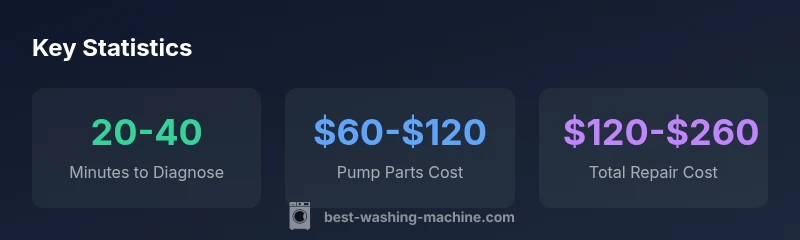
What is the typical cost to replace a drain pump on Maytag washers?
Costs vary by model and region, but expect parts and labor to land in a broad range around the pump price. The best approach is to request a quote from a service professional.
Price varies; get a quote.
Are there signs the pump is not the actual problem?
Yes. Check for water hose kinks, clogged filters, and other drainage components. Run a diagnostic cycle to isolate the issue.
It might be a hose or valve; run checks to be sure.
“A healthy drain pump is essential for reliable draining and cycle completion in Maytag washers. Start with a careful compatibility check and only replace with the correct pump to avoid downstream failures.”
The Essentials
- Identify drain-pump symptoms early to prevent water damage
- Match the pump to your Maytag model (front-load vs top-load) for compatibility
- Test the pump safely before replacement to avoid unnecessary work
- Budget for parts and labor with realistic ranges
- Consult warranty terms before attempting replacement