Repair Amana Washing Machine: DIY Guide for Beginners
Learn to diagnose and repair common Amana washing machine issues with a clear, safe, step-by-step guide. Best Washing Machine shares practical repair tips and safety notes for homeowners and renters.


This guide helps you diagnose and repair common Amana washing machine faults with safe, proven steps. You'll learn when DIY fixes are practical, how to test components, and how to replace worn parts without unnecessary service calls. The guidance emphasizes safety, tool-use, and knowing when to stop and call a pro.
Understanding When to Repair vs Replace an Amana Washing Machine
Choosing to repair a washing machine—especially an Amana model—can save money and extend the appliance lifespan when the fault is isolated and the machine is within its expected life. If the issue appears to be a single component rather than a systemic failure, a targeted fix is often more cost-effective than replacement. According to Best Washing Machine, DIY repairs can save money when performed with proper safety measures and accurate diagnostics. The Best Washing Machine team found that many common calls to repair services stem from simple problems such as a clogged drain, a defective lid switch, or a worn belt. Before deciding, weigh the repair cost against a potential replacement, consider the unit’s age, and assess whether an underlying electrical or control-system fault may require professional service. This pragmatic approach helps homeowners and renters maximize value without sacrificing reliability.
Diagnostic Playbook: Common Symptoms and Quick Fixes
Washing machines communicate issues through symptoms, not always through error codes. Start with noninvasive checks and note when the problem occurs: during wash, rinse, or spin; when draining; or when filling with water. If the unit won’t start, confirm power, door/lid switch engagement, and control panel responses. A loud rumble or grinding could point to a worn drive belt or a failing pump. Not draining or not filling may indicate clogged hoses, a blocked pump, or water inlet issues. Document codes and symptoms to guide targeted tests, and avoid replacing parts at random—precision matters in DIY repair. When in doubt, consult the Amana model’s service manual for wiring diagrams and component locations. This symptom-focused approach saves time and minimizes unnecessary disassembly.
Essential Tools and Materials for Amana Washer Repair
A safe, efficient repair relies on a focused toolkit and a few common parts. Gather a screwdriver set (Philips and flat-head), nut drivers, a multimeter for electrical checks, needle-nose pliers, a pocket flashlight, towels, a small bucket, and rags for spills. Have replacement parts ready if you identify the faulty component—lid switch, drain pump, water inlet valve, or belt are among the frequent culprits. Keep a service manual or online wiring diagram handy to confirm part locations and testing procedures. Label screws and components as you remove them to simplify reassembly. This preparation minimizes trial-and-error and keeps the repair within a single service session. Always use genuine or manufacturer-approved parts when possible to maintain performance and safety.
Step-by-Step Troubleshooting Framework
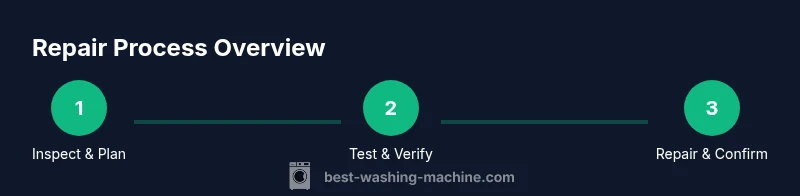
This framework provides a logical path from safe preparation to test-and-replace actions, focusing on the most common Amana issues. 1) Power down and unplug; shut water valves to prevent leaks. 2) Access the interior by removing the panel; locate the lid switch and pump area. 3) Inspect for obvious wear or disconnections and test with a multimeter if needed. 4) Check hoses for kinks or clogs and clear the drain pump area. 5) Replace the faulty part with a compatible component and reassemble. 6) Run a short test cycle with water to verify proper operation. Pro tip: take photos during disassembly to guide reassembly and prevent miswiring. While some faults are straightforward, complex electronic failures may require technician service.
Replacing the Most Common Parts Safely
The lid switch, drain pump, drive belt, and water inlet valve are among the parts you’ll most often replace during Amana washer repair. Start by confirming the fault and disconnecting power before accessing components. When replacing a lid switch, ensure the actuator aligns with the lid; for the drain pump, clean any debris and verify impeller rotation. If the belt shows cracks or loss of tension, replace with the correct width and length. For the inlet valve, check the coil resistance and replace if the valve doesn’t open fully with the correct water pressure. After each replacement, recheck connections, run a test cycle, and observe for leaks or unusual sounds. Always discard old parts safely and verify compatibility with your specific Amana model.
Safety First: Electrical, Water, and Mechanical Hazards
Repair work can involve electricity and water near each other, which is dangerous if mishandled. Always unplug the machine, shut off the hot and cold water supply, and drain residual water before opening panels. Wear safety glasses and gloves, and never bypass safety switches to test a live circuit. If you smell burning, notice melted components, or see sparking, stop immediately and seek professional help. Keep children and pets away from the work area, and never work alone if you’re uncertain about electrical safety. Adhering to safety procedures minimizes risk and protects your home and belongings.
Costs, Scheduling, and When to Call a Pro
Repairing an Amana washer can be cost-effective when faults are limited and the model is relatively young. The total expense depends on the part price, availability, and whether specialized tools or professional diagnostics are required. While DIY fixes can reduce service costs, some faults—such as complex control-board failures or sealed electronics—may necessitate a licensed technician. If you’re uncertain after completing initial diagnostics or the problem recurs after a home repair, consider booking a pro assessment. A professional can verify wiring integrity, validate sensor readings, and ensure the machine meets safety standards. The decision to repair or replace should balance the unit’s age, expected remaining life, and the cost of parts and labor against the price of a new machine.
Maintenance Tips After Repair to Extend Life
Post-repair maintenance is essential for longevity. Schedule regular lint and debris checks in the drain pump area, inspect hoses for wear and cracks, and replace hoses that show signs of aging. Clean the filter screen and drum interior to prevent buildup that affects performance. Use manufacturer-recommended detergents and avoid overloading the drum, which stresses belts and bearings. Periodically test the lid switch and water inlet valve to catch wear early. Keeping a simple log of service dates helps track wear patterns and plan proactive maintenance rather than reactive fixes.
Quick-Start Project Checklist for Your Amana Washer Repair
Before you begin, confirm you have: a) power off and water shutoff, b) the model’s service manual or wiring diagram, c) the necessary replacement parts, d) a clean workspace, e) a way to capture references (photos). During the process, check every connection twice, secure all fasteners, and test with a small load after reassembly. If any step feels uncertain, stop, reassess, and consult the service manual or consider a professional consultation. A methodical approach reduces mistakes and elevates your odds of a successful repair on the first attempt.
Tools & Materials
- Screwdriver set (Phillips and flat-head)(Flat-head and Phillips; include a magnetized driver for small screws)
- Nut driver set(Assorted sizes for access panels and clamps)
- Multimeter(Used to test continuity and resistance on switches and coils)
- Needle-nose pliers(Helpful for hose clamps and small connectors)
- Torx bit set(Some Amana models use Torx screws)
- Towels and absorbent rags(Keep area dry and clean up spills quickly)
- Bucket or shallow pan(Catch residual water during disassembly)
- Service manual or wiring diagram(Guides for model-specific wiring and component location)
Steps
Estimated time: 60-120 minutes
- 1
Power down and safety prep
Unplug the washer and shut off the water supply to prevent leaks. Remove nearby cords and place towels to catch any residual water. This initial safety step prevents electrical shock and water exposure during inspection.
Tip: Double-check the power is truly off at the wall outlet before touching any internal components. - 2
Gain access to the interior
Remove the back or side access panel to reach the lid switch, pump, and hoses. Keep track of screws and note where each part belongs to simplify reassembly.
Tip: Take a quick photo of panel placement before removing screws. - 3
Inspect and test safety switches
Visually inspect the lid switch and connectors for damage. Use the multimeter to test continuity; a non-responsive switch will prevent spin or drain cycles.
Tip: If the switch isn’t clicking into place with the lid closed, replace it before testing further. - 4
Check hoses and the drain pump
Examine hoses for cracks, kinks, and clogs. Verify the drain pump impeller moves freely and isn’t obstructed by lint or debris.
Tip: Remove any buildup with a soft brush or cloth; don’t force parts through narrow passages. - 5
Test components and reseat connections
With power disconnected, re-seat all connectors and ensure secure terminals. Use the multimeter to test motor windings or control-board outputs if needed.
Tip: Loose connections are a common cause of intermittent faults. - 6
Reassemble and run a test cycle
Reinstall panels, restore water, and run a short test cycle with a small load to verify operation and check for leaks or abnormal noises.
Tip: Observe the first cycle closely; stop if you hear grinding, grinding, or see leaks.
FAQ
What should I check first when my Amana washer won't start?
Begin with power, outlet, and breaker checks. Confirm the unit is plugged in, the outlet works, and the lid switch engages when closed. If the control panel remains dark, a found fault may indicate a deeper electrical issue.
First, check power and the lid switch; if the panel is dark, you may have an electrical fault.
Why won’t my Amana washer drain?
Not draining is often caused by a clogged drain pump, kinked hose, or a blocked filter. Inspect the drain hose, clean the pump area, and test the pump with a multimeter when safe to do so.
Check the drain hose for blockages and test the pump, but only after ensuring power and water are off.
Can I replace the belt on an Amana washing machine myself?
Belt replacement is possible on some top-load models if you have the right tools and model-specific guidance. It typically involves removing the pulley and motor to access the belt. If the model uses a non-removable belt, professional service is recommended.
Belt replacement may be doable on certain models, but confirm your exact model before starting.
What should I do if I smell burning during repair?
If you smell burning, power off immediately, unplug the machine, and disconnect water. Do not continue testing; burning smells indicate potentially dangerous electrical faults that require a professional inspection.
Stop immediately and seek professional help if you smell burning.
Are there safety codes or error codes I should know about?
Amana washers display error codes to indicate issues. Refer to the model manual for code meanings and recommended steps. If codes persist after basic checks, seek professional service rather than attempting risky diagnostics.
Refer to your manual for codes; persistent codes usually require professional evaluation.
When should I replace instead of repair my Amana washer?
If the machine is older than its typical lifespan, shows repeated faults, or repair costs approach the price of a new unit, replacement may be the smarter choice. Evaluate energy efficiency and expected service life.
If faults recur or the unit is aging, replacement can be wiser than costly fixes.
Watch Video
The Essentials
- Assess DIY repair viability before starting
- Prioritize safety and unplugging power first
- Test components methodically with a multimeter
- Replace common wear parts to extend life
- Consult a professional for complex electrical faults