Can You Get a Washing Machine Under 60cm Wide? A Comprehensive Guide
Explore whether you can buy a washing machine under 60cm wide, including typical widths, capacities, installation tips for small spaces, and front-load vs top-load trade-offs.


What qualifies as a compact washer under 60cm
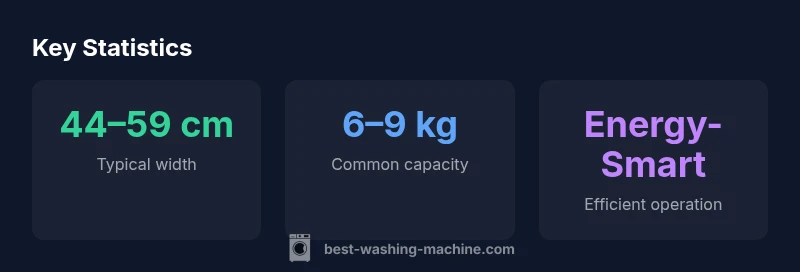
When people ask can you get a washing machine less than 60cm wide, the answer hinges on standard industry dimensions and intended use. Most compact models fall within a width range of roughly 44 to 59 cm. This size class is designed for tight spaces such as small apartments, utility closets, or areas under counters. The majority are front-load designs because they tend to fit more efficiently into narrow alcoves and provide better spin extraction in restricted footprints. If your installation space is measured precisely, you can match a compact washer to the available width, door swing clearance, and nearby cabinetry. In practice, shoppers often prioritize models under 60 cm that also offer a practical drum capacity for weekly laundry loads, typically around 6–9 kg, which is adequate for one to two people or small households.
Key takeaway: The under-60cm segment is dominated by compact front-load washers with space-saving benefits. Always verify exact dimensions in the product specs and compare them against your rough enclosure measurements, including any protrusions like plumbing boxes and venting. Natural variations exist between brands, so use a precise measuring tape and cross-check the width, depth, and height before you commit.
Width ranges and capacity trade-offs
Compact washing machines under 60cm wide aim to balance space savings with usable capacity. In most cases, the narrower the unit, the smaller the dr um capacity, which translates into more frequent loads for larger households. Manufacturers typically offer front-load compact models within a 6–9 kg capacity range. Some ultra-compact variants may dip to around 4–5 kg, suitable for singles or couples without heavy weekly laundry cycles. When planning, map your typical laundry volumes to the capacity you actually need, not just the physical footprint. Energy efficiency labels—such as the EU energy rating or comparable regional standards—often correlate with drum size, motor efficiency, and cycle optimization, so a compact 6–8 kg model can be both space-efficient and reasonably economical in operation.
Practical guidance: If you regularly wash bulky items (comforters, large towels), a 6–9 kg compact washer might feel undersized. In that case, look for models with higher spin speeds and cycle options designed to maximize throughput within the tiny footprint. Conversely, if your spaces are ultra-tight and you wash smaller loads, a 4–6 kg compact model could be more appropriate, trading off larger loads for a smaller enclosure.
Installation considerations in small spaces
Installing a washer in a tight space requires careful planning beyond width. Measure depth (including the door or hatch clearance) and check for ventilation gaps around the sides to prevent overheating. Many under-counter installations require a dedicated electrical outlet and a stable, level surface to minimize vibration during spin cycles. If you’re placing the washer next to a wall or cabinet, consider the door swing and ensure there’s enough clearance for loading and unloading. Water supply lines and a drainage hose must be routed with gentle bends to avoid kinks. In some arrangements, you may need a stacking kit to pair a compact washer with a matching dryer vertically, freeing floor space for other laundry tasks.
Tips: Use a height-adjustable pedestal if your plumbing lines are slightly off-level, and choose models with anti-vibration features to reduce noise in constrained apartments. Always consult the installation manual for the exact clearance requirements and any venting guidelines specific to the model you’re considering.
Front-load vs top-load in compact form factors
In compact widths under 60 cm, front-load washers dominate the market because their compact drum alignment aligns with the narrow footprint and provides more efficient cleaning action per cycle. Top-load compact models exist but are less common and may require extra space for lid operation. Front-load units generally deliver better energy efficiency and water use per kilogram of laundry, especially in modern models with load-sensing and auto-water refill features. When selecting between front-load and top-load compact options, consider your typical laundry items, accessibility, door clearance, and whether your space can accommodate a swinging door or a hinged door in a corner.
Decision guide: If you value stackability and space efficiency, a front-load compact model is usually the safer bet. If you prefer easier loading from a standing position and your space allows for a top lid, a compact top-load could be a viable alternative, but verify water usage and cycle times for your typical loads.
Real-world scenarios: apartments, under-counter setups, and more
Urban living often demands small-footprint laundry solutions. Under-counter installations, narrow hallways, and closet-based laundry corners are common, and many brands respond with models under 60 cm that fit these constraints. In rental properties, compact washers can offer a quick win for tenants who don’t want to commit to a full-sized machine. For homeowners, a compact unit can free up space for a secondary laundry area or a combined washer-dryer arrangement. When evaluating real-world use, consider cycle time, noise ratings, and maintenance access as essential factors. A well-chosen compact washer can maintain reliability without sacrificing convenience in tight living spaces.
Test checklist: measure width, depth, and height; test door clearance and lid operation; confirm noise ratings align with your living situation; check warranty terms and maintenance requirements to minimize long-term surprises.
How to shop for compact washers: a practical checklist
To find the best compact washer under 60 cm wide, start with a clear measurement of your available space, then compare models by width, depth, height, and drum capacity. Prioritize energy efficiency, insulation, and spin speed, as these influence water and electricity usage. Read user reviews focusing on reliability in small spaces, not just on features. When possible, inspect nearby plumbing fittings and request a demonstration of drain and fill cycles to assess how the machine handles real-world laundry loads. Finally, verify delivery and installation options, ensuring the vendor offers proper connection services and a return policy if the unit doesn’t fit.