How to fix washing machine door seal
Learn how to fix a washing machine door seal, diagnose wear, safely replace or reseal, and extend gasket life with practical steps from Best Washing Machine.


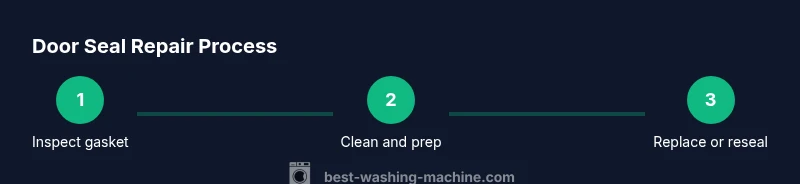
You can fix a washing machine door seal by inspecting for tears or mold, cleaning buildup, resealing minor gaps, or replacing the gasket if needed. Start with safety—unplug the machine and shut off water—then identify wear signs, gather replacement parts, and follow step-by-step instructions. This guide from Best Washing Machine helps homeowners and renters repair leaks confidently.
Why fixing a washing machine door seal matters
A leaking door seal is not just an annoyance; it can waste water, raise your utility bills, and cause dampness that leads to mold growth. The door seal (also known as a gasket) around the front-loading opening is designed to keep water inside the drum during cycles. Over time, age, detergent residue, abrasive fabrics, or improper loads can cause tears, cracks, or stiffening that compromise the seal. Fixing the door seal promptly preserves performance, reduces the risk of water damage, and extends the life of your washer. According to Best Washing Machine, a well-maintained gasket improves efficiency, reduces clingy odors, and helps your appliance operate quietly. If you notice frequent leaks during high-speed spins, it’s a strong sign the door seal needs attention.
This guide walks you through identifying wear, choosing the right path—simple cleaning, resealing, or gasket replacement—and outlines safe, practical steps you can take as a homeowner or renter. You’ll learn how to assess condition, select compatible parts, and test for leaks after any repair. The goal is to empower you to fix the problem without unnecessary waste or expensive service calls.
Common symptoms of a worn or damaged door seal
- Visible tears, cracks, or brittle edges around the gasket
- Water pooling around the door or on the floor after cycles
- Persistent moldy or musty odor near the door opening
- Excessive detergent residue streaks along the seal
- Difficulty closing the door or seal rubbing during cycles
- Leaks during high-spin settings, even with a properly loaded drum
If you notice any of these signs, start with cleaning to remove buildup, then inspect for tears. Even small cracks can widen under pressure, so address them early to avoid larger leaks and costly water damage. Regular maintenance also helps prevent mold growth that can degrade seal performance.
DIY inspection: how to assess the door seal
Begin with a visual inspection under good lighting. Look for cracks, tears, or pinhole leaks along the entire gasket, especially at the inner lip where it folds. Run your finger around the seal to detect stiffening or rubber loss. Check for accumulated detergent residue, fabric fibers, or slimy buildup that can hide wear. If you can access the backside of the gasket, look for displacement, deformation, or loose fittings where the seal attaches to the drum. Photograph any damage to help you decide between resealing or replacing. For a 2026 project, verify compatibility with your washer model number and review gasket part options from reputable retailers.
Safety first: powering down and prepping your workspace
Before touching the door seal, unplug the washer from the electrical outlet and shut off the water supply valves to prevent unexpected leaks. Move the washer away from the wall to access the back or sides if needed, and lay down towels to catch stray water. Wear gloves to protect you from sharp edges and mold. If the machine is connected to a pedestal or stacked with a dryer, ensure stability before starting any disassembly. Clear the area of pets and children. Working in a dry, well-lit space reduces the risk of slips and damage to electrical components.
Basic cleaning and minor fixes that can extend gasket life
Many leaks stem from built-up soap scum, mineral deposits, or mold that prevent an airtight seal. Start with a gentle cleaning: mix mild dish soap with warm water and wipe the gasket surfaces, paying particular attention to folds and crevices. For mold, use a solution of equal parts white vinegar and water or a dedicated appliance cleaner. Dry thoroughly, then re-seat the door to ensure an even seal. If the gasket has minor sticky areas or slight stiffness, applying a small amount of silicone-based grease along the lip can improve flexibility. Avoid petroleum-based lubricants, which can degrade rubber over time.
Replacing the door seal: when to replace and how to choose
If inspection shows deep tears, extensively cracked lips, or warping that cleaning can’t fix, a full gasket replacement is warranted. The replacement requires matching the model number, gasket type (one-piece vs. two-piece), and door size. Purchase from reputable retailers or the manufacturer’s parts store to ensure a proper fit. Some washers use spring clamps or metal bands to secure the gasket; others rely on a threaded locking ring. If you are unsure about compatibility, consult the service manual or contact customer support. Replacing the gasket typically restores full leak protection and can renew door alignment that improves spinning performance.
Maintenance routines to prevent future leaks
To extend gasket life, adopt a monthly cleaning routine to remove residue and mildew. After each wash, leave the door ajar for a few minutes to dry the interior and gasket folds. Use the correct detergent amount to minimize suds that can seep behind the seal. Avoid overloading the machine, which can cause door misalignment and seal stress. Periodically inspect the gasket for early wear and replace proactively if you notice cracking or loss of elasticity. Keep the surrounding area dry and free of standing water, and consider a moisture absorber in spaces with high humidity.
Safety, warranties, and when to call a professional
If your machine is under warranty, check whether door seal issues are covered and whether DIY replacements could void coverage. For complicated repairs or non-standard gaskets, professional service may be more cost-effective than repeated DIY attempts. If you notice electrical buzz, unusual heat around the motor, or water behind the machine, stop using it and seek professional help immediately. Best Washing Machine recommends evaluating the cost-to-benefit of a repair versus replacement, especially for older units with multiple failures.
Authoritative sources and references
- Energy.gov: Home appliance care and maintenance guidance
- EPA.gov: Mold prevention and safe cleaning practices
- FTC.gov: Consumer guidance on appliance repairs and warranties
These sources provide objective safety standards and best practices you can apply when fixing a door seal or performing any appliance maintenance. Always follow manufacturer specifications for your specific model.
Tools & Materials
- Flathead screwdriver(For pry points or clamps on some models)
- Phillips screwdriver(General disassembly and gasket securing)
- Torx or hex driver set(Some models use Torx fasteners)
- Replacement door gasket (gasket/door seal)(Must match washer model and drum size)
- Rags or microfiber towels(Wipe up spills and dry gasket surfaces)
- Mild dish soap and warm water(For cleaning the gasket and drum area)
- White vinegar or mild appliance cleaner(Mold and residue treatment)
- Silicone-based lubricant(Apply a very light coat to gasket lip if flexible)
- Bucket or tray(Catch water during disassembly)
- Gloves and safety glasses(Personal protection when handling parts)
Steps
Estimated time: 60-90 minutes
- 1
Power down and prep
Unplug the washing machine and shut off the water supply. Move the unit away from the wall and place towels to catch any drips. This prevents electrical shocks and minimizes a sudden water spill during inspection.
Tip: Label any hoses or clamps if you detach them, so reassembly is straightforward. - 2
Access the gasket area
Open the door fully and locate any visible fasteners holding the gasket or the front panel. Some models require removing a retaining ring or a panel edge to reach the gasket lip. Keep track of screws; use a tray to prevent loss.
Tip: If a clamp is present, do not force it; release gently to avoid tearing the seal. - 3
Inspect the gasket for damage
Carefully examine all sections of the gasket for tears, cracks, hardening, or detachment from the drum. Run your hand along folds to detect hidden wear. Document areas that require replacement versus those that just need cleaning.
Tip: Take close-up photos to compare fit when installing a new gasket. - 4
Clean and prep the seal surface
Wipe the gasket and the drum flange with warm soapy water. Remove residue from folds with a soft brush. For mold, treat with vinegar solution, then rinse and dry completely before reassembly.
Tip: Prevent future buildup by using the right amount of detergent and avoiding fabric softeners in excess. - 5
Install or reseal
If replacing, align the gasket with the drum notch(es) and secure according to your model’s instructions. If resealing, re-seat and ensure the lip sits evenly. Double-check that the gasket sits squarely against the drum and the door frame.
Tip: Work slowly to avoid pinching the gasket; ensure no folds are trapped behind the lip. - 6
Test for leaks
Reconnect water, plug in the machine, and run a short wash cycle with towels inside to capture potential drips. Inspect around the door seal while a light load spins. If there are leaks, repeat the seating or consider full gasket replacement.
Tip: If leaks persist beyond the first test, stop and recheck every connection and the gasket seating.
FAQ
Can I fix a torn door seal myself, or must I replace it?
A minor tear that doesn’t affect the lip or edge can sometimes be resealed with proper cleaning and adhesive as recommended by the manufacturer. However, a deep crack or detachment usually requires gasket replacement for a reliable seal.
Most small tears can be resealed, but deep cracks usually need a new gasket.
Is it safe to run a washer with a leaking door seal?
Running with a leaking seal risks water damage, mold growth, and higher energy use. If a leak is visible, stop the cycle and address the gasket promptly.
Don’t run it if you see a leak; fix the seal first.
Do door seals ever come with warranties or recalls?
Some manufacturers offer warranties or recalls for gasket-related issues. Check your model’s warranty terms and register your appliance with the manufacturer for service options.
Look up your model’s warranty to see if gasket issues are covered.
What’s the difference between a one-piece and a two-piece gasket?
A one-piece gasket sits as a single loop around the drum, while a two-piece gasket uses a separate outer frame or clamping mechanism. Compatibility depends on the washer model and door design.
One-piece is a single loop; two-piece uses a frame—check your model.
Should I hire a technician for gasket work if I’m unsure of my model?
If you’re uncertain about model compatibility or disassembly steps, a licensed technician can ensure correct installation and prevent water damage.
If unsure about steps or parts, a pro can help prevent leaks.
How can I prevent future leaks after fixing the seal?
Follow maintenance routines: regular cleaning, avoid overloading, and keep the area dry. Inspect the gasket monthly for signs of wear and replace early if needed.
Keep it clean, don’t overfill, and check the gasket often.
Watch Video
The Essentials
- Inspect thoroughly for tears or hardening before deciding on repair
- Choose model-matched gaskets to ensure a reliable seal
- Clean buildup regularly to extend gasket life
- Test leaks carefully after any fix
- Know when to call a pro or use warranty coverage