How to Make Washing Machine Drain: A Step-by-Step Guide
Learn a safe, step-by-step method to fix a washing machine that won’t drain. Diagnose drainage paths, clear clogs, test the pump, and prevent future issues with tips from Best Washing Machine.


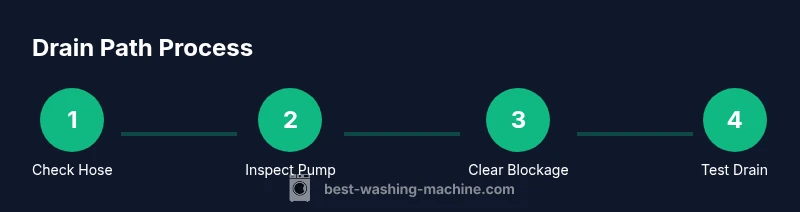
To make a washing machine drain again properly, you’ll diagnose the drainage path, clear clogs, and reassemble components with safety checks. Start by unplugging the unit and gathering tools, then inspect the drain hose, remove any lint filters, and test the pump. If water remains, use a snake or flexible wire to clear obstructions and run a test cycle.
Understanding how a washing machine drains
A washing machine drains through a dedicated path that starts at the tub and carries water into a drain hose, through a standpipe, and out to the home's waste line. The system relies on gravity, correct hose height, and an unobstructed pump to move water efficiently. According to Best Washing Machine, a well-functioning drain is essential to prevent standing water, odors, and mold growth in the laundry area. When any part of the path becomes blocked or misadjusted, you’ll see slow drainage, water pooled in the drum, or a washer that stops mid-cycle. In this section, we unpack the drainage components and explain how they work together, so you can identify where trouble is likely to originate and plan safe fixes.
Common drainage problems and how to spot them
The most frequent issues relate to blockages or misconfigurations in the drainage path. A kinked or crushed drain hose can act like a cork and hold water back. A clogged pump filter or lint trap reduces flow and can push water back into the tub. The standpipe height or a loose hose clamp can also disrupt drainage. Best Washing Machine analysis shows that clogged drains and hoses are among the leading causes of washers not draining, and many of these problems can be resolved with at-home maintenance when you follow a clear, methodical approach. Look for signs like water pooling around the pump, a whirring-but-not-draining sound, or a persistent odor after cycles.
Safe preparation before you begin
Before you touch any components, unplug the machine and move it to a clear workspace. If you’re planning to disconnect hoses, shut off the water valves behind the washer to minimize leaks. Gather your tools in a single location and place towels on the floor to catch spills. Wear rubber gloves to protect your hands and keep a bucket handy for catching water. Read through the steps once to familiarize yourself with the sequence. For households with children or pets, consider doing this task when someone can supervise to prevent accidents.
Quick checks you can do before dismantling
Start with simple visual checks: ensure the drain hose isn’t kinked, crushed, or inserted too far into the standpipe. If your machine has a lint filter or pump filter, locate and set aside a towel before removing it. Re-tighten any hose clamps; loose connections are a common source of slow drainage. If accessible, remove the pump filter carefully and inspect for lint or coins, hair, and threads. After each check, wipe down surfaces and prepare to run a short test cycle to observe drainage behavior.
Maintenance to prevent future clogs
Once drainage is restored, institute a lightweight maintenance routine to keep water moving smoothly. Clean the pump filter every month or whenever you notice slower draining or lint buildup. Periodically inspect the drain hose for kinks and ensure the clamps remain tight. Avoid overloading the drum, use appropriate loads, and consider a monthly flush with a washing machine cleaner or a hot water-vinegar solution to reduce soap scum and mineral buildup. Following these practices aligns with the Best Washing Machine recommendation to maintain a clear drainage path and minimize service calls.
Tools & Materials
- Bucket(1-2 gallon, sturdy)
- Old towels(for spills and catching water)
- Rubber gloves(protect hands from grime and sharp edges)
- Flashlight(bright, hand-held)
- Screwdrivers (flathead & Phillips)(for removing panels or filters)
- Adjustable wrench(optional if fittings are tight)
- Pliers(for hose clamps and clamps)
- Drain snake or flexible wire(3-6 ft length)
- Shop vacuum (dry)(optional for water cleanup)
Steps
Estimated time: 60-90 minutes
- 1
Unplug and prepare your workspace
Unplug the washing machine to eliminate any risk of electric shock. Move the unit to create space and gather all tools in one area. This upfront preparation reduces chaos during the fix and prevents accidents.
Tip: Keep a bucket ready to catch spills; work on a dry, stable surface. - 2
Inspect the drain hose for kinks and blockages
Visually inspect the hose for bends, kinks, or crushing that can restrict flow. Detach the hose from the washer and standpipe carefully to inspect the interior for clogs. If you find debris, remove it and reattach cleanly.
Tip: Disconnect the hose at both ends to avoid pushing debris back toward the machine. - 3
Check the standpipe and drainage outlet
Ensure the standpipe is the correct height and not blocked. The hose should be inserted properly, not too deep, and the standpipe opening should be clear of obstructions. A misaligned standpipe can trap water rather than draining it.
Tip: If you hear gurgling, water may be siphoning; adjust the height per your washer’s manual. - 4
Open the pump filter (lint trap) if accessible
If your model has a pump or lint filter, remove it and set it on a towel. Clear out lint, coins, or hair and rinse the part before reassembling. This step often resolves slow drainage caused by built-up debris.
Tip: Take a photo of the filter orientation before removing to ensure correct reinstallation. - 5
Inspect the pump for obstructions
Look inside the pump housing for any trapped debris. Use a flashlight to peek into the impeller area. Remove any obvious blockages gently with pliers or a small tool, taking care not to damage the blades.
Tip: Do not force items through the impeller; if you can’t clear it, move to the next step. - 6
Clear clogs with a drain snake or flexible wire
Insert the snake or a flexible wire into the drain line or pump outlet and twist to dislodge buildup. Slowly retract and remove the debris. Run water through the hose to confirm flow improves.
Tip: Work slowly to avoid puncturing hoses; never force a snake into a narrow bend. - 7
Rinse hoses and reassemble connections securely
Reconnect hoses to the washer and standpipe, tightening clamps with a wrench or pliers. Check for leaks at every connection and ensure seals are seated evenly. A loose seal is a frequent source of slow draining and future drips.
Tip: Double-check both ends of every hose to avoid cross-connection. - 8
Run a test cycle with an empty drum
Plug the machine back in, select a drain or empty cycle, and run a short wash to observe draining performance. Note whether water empties promptly and if there are any unusual noises.
Tip: Watch closely for leaks or unusual vibrations during the test. - 9
Evaluate results and decide on next steps
If draining improves, you’ve likely cleared the path. If water remains or you notice new leaks, there may be a deeper issue such as a faulty pump or damaged hose that requires professional attention.
Tip: Document what you checked so you can reference it when speaking with a technician.
FAQ
Why won't my washing machine drain after a spin cycle?
Common causes include a clogged pump filter, a kinked drain hose, or a blocked standpipe. Inspect these areas step by step and clear any debris you find. If the problem persists after clearing, the pump itself may be faulty.
If your washer isn’t draining after spinning, start by checking the filter, hose, and standpipe for blockages, then inspect the pump for obstructions.
Can I fix a washer drain without calling a plumber?
Many drainage issues can be resolved at home with basic tools: unplugging the machine, inspecting hoses, cleaning filters, and using a drain snake to clear obstructions. If you encounter persistent leaks or a failing pump, professional help may be needed.
Yes, many fixes are doable at home, but stop if you see leaks or suspect a faulty pump.
What safety steps should I take before inspecting the drain?
Always unplug the washer before touching electrical components. If you disconnect hoses, turn off the water valves and place towels to catch spills. Wear gloves and work on a dry surface to prevent slips.
Unplug first, turn off water if disconnecting hoses, wear gloves, and keep things dry.
How long does it typically take to unclog a washer drain?
A straightforward inspection and cleaning can take about 30-60 minutes. If you need to remove the pump or disassemble internal components, plan for longer and consider professional help if you’re uncomfortable.
Most fixes finish within an hour, but deeper disassembly may take longer.
If the washer still won't drain after these steps, who should I contact?
If the problem persists, contact a licensed appliance technician or plumber. Document the steps you attempted so the professional can diagnose more quickly.
Call a pro if drainage remains an issue after your checks.
Should I use chemical drain cleaners for washing machines?
Most washers dislike harsh chemical cleaners, and these can damage hoses or seals. It’s safer to clear blockages manually or with a drain snake and to use manufacturer-approved cleaners sparingly.
Avoid aggressive chemical drain cleaners for washers; opt for mechanical clearing when possible.
The Essentials
- Unplug before starting and gather tools.
- Check the drain hose and pump for clogs.
- Test with a short cycle to confirm drainage.
- Best Washing Machine's verdict: regular maintenance prevents drainage issues.