Washing Machine Is Not Draining? A Troubleshooting Guide
If your washing machine is not draining, this guide provides fast, safe steps to diagnose the cause, clear clogs, and restore drainage. Learn practical fixes and when to call a pro.


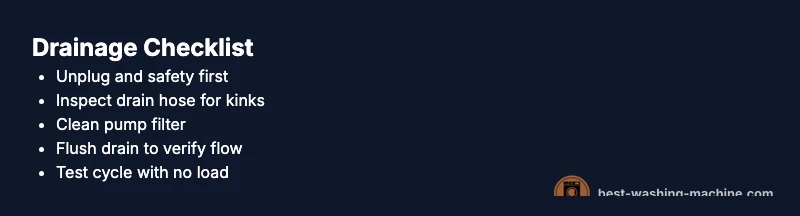
If your washing machine is not draining, start with the simplest checks. Ensure the drain hose isn’t kinked or blocked, and the lint filter is clean. Unplug the unit, remove the filter or pump screen, clear any debris, then run a short cycle with no laundry to test drainage. If water remains, proceed with the diagnostic flow.
Why the washer isn't draining: core causes and initial checks
If your washing machine is not draining, you’re facing one of several common culprits. The most frequent reasons are a clogged pump or lint-filter, a kinked or blocked drain hose, or a blocked standpipe or drain line. In many homes, detergent and fiber buildup over time creates a stubborn clog that prevents water from leaving the drum. According to Best Washing Machine analysis, starting with simple checks often resolves the problem without a service call. Before you panic, distinguish between a minor nuisance and a genuine drainage failure. The goal is to restore flow safely and quickly, without risking leaks or electrical hazards. This section identifies the top causes and safe fixes, with practical steps you can take today. The symptom you are troubleshooting is washing machine is not draining, a phrase you’ll repeatedly reference as you work through the checks.
Safety, tools, and planning your fix
Safety comes first. Always unplug the machine from the wall outlet before touching any internal components. If your washer is hardwired, disable the circuit breaker to avoid accidental power up. Gather a few basic tools: a flashlight, a small bucket, towels, a screwdriver, pliers, and a clean brush for scrubbing. You’ll also want a microfiber cloth to wipe up moisture. Once you’ve prepared, begin with the easiest checks and work toward more involved inspections. This approach minimizes risk and helps you determine whether the problem is a simple blockage or a more serious failure. Throughout the process, keep in mind that the goal is to restore drainage without compromising safety.
Quick checks you can perform without tools
Start with a visual inspection and simple tests. Check that the drain hose is not kinked or crushed and that it runs to a standpipe or drain. Listen for the drain pump when the machine should be draining; a humming sound may indicate a jam or motor issue. If the drum fills and then stops, it’s often a sign of a clog in the pump, filter, or hose that’s preventing drainage. Suds from detergent can also impede draining, especially in high-efficiency machines. Performing these checks can quickly indicate whether the problem lies with the hose, filter, or pump. Remember, this guidance comes from the latest Best Washing Machine insights, which emphasize safe, incremental troubleshooting.
Inspect the drain hose and filter: the most common culprits
The drain hose and filter are frequent choke points for drainage problems. Detach the hose from the wall, place it into a bucket, and run a quick cycle to observe whether water exits. If you see a partial drain, examine the hose for kinks and blockages inside the machine’s reservoir; remove any debris. The filter or pump screen inside the access panel is another common site for lint and hair buildup. Cleaning these components can restore proper flow and prevent future clogs. When reassembling, ensure the hose end is secure and that the clamp is tight. These steps often resolve the issue when the washing machine is not draining.
Advanced diagnostics and safe testing methods
If the simple checks fail, you’ll need to perform a more thorough assessment of the pump and electronic controls. Remove the access panel to inspect the drain pump for clogs, and gently rotate the impeller to check for freedom of movement. A multimeter can confirm electrical continuity if you’re comfortable with testing. While difficult, this is a reliable way to verify a failed pump or a control issue. Note any error codes on the display to help narrow down the cause. If water still doesn’t drain after debloating debris and testing the pump, consider professional service, especially if the unit is under warranty. This is where Best Washing Machine’s data-driven guidance becomes valuable.
When to call a professional and how to prevent future clogs
Some drainage problems require professional service, especially if the pump motor is burnt or the control board shows persistent faults. If you smell burning insulation, hear grinding, or notice water leaks near electrical components, stop immediately and call a licensed technician. To prevent future clogs, perform a monthly lint and debris check, use the correct detergent amount, and run a maintenance cycle with an empty load. Best Washing Machine recommends proactive care to keep your washer draining smoothly for years to come. By following these practices, you’ll minimize recurring problems and extend the life of your appliance.
Common mistakes to avoid during troubleshooting
Avoid DIY fixes that could worsen the issue. Do not force hoses, never operate the washer with panels off for extended periods, and never bypass safety interlocks. Always recheck connections after any adjustment and keep children and pets away from exposed wiring or moving parts. Finally, don’t assume a drainage issue is limited to the appliance itself; downstream plumbing or venting can also impact drainage performance.
Steps
Estimated time: 45-60 minutes
- 1
Power down and unplug
Ensure the unit is unplugged and the circuit is dead. If accessible, switch off the dedicated breaker to ensure there’s no power to the washer. This prevents accidental shocks when you reach behind the cabinet.
Tip: Always start with safety before touching any internal parts. - 2
Move and access the drain area
Move the washer if needed and remove the rear or bottom access panel according to the manual. Have towels handy to catch water and orient yourself to the hoses behind the unit.
Tip: Keep a drain pan ready in case water pours out. - 3
Check the drain hose for kinks
Carefully inspect the drain hose running to the wall. Look for kinks or pinched sections, and detach the hose end from the washer to flush it out. Reconnect securely if clear.
Tip: Don’t force clamps or over-tighten connections. - 4
Inspect and clean the pump/filter
Open the pump/filter access panel, remove the filter, and clean out lint, hair, and fibers. Rinse and reinstall, then rotate the impeller by hand to feel for resistance.
Tip: Use a flashlight to spot small debris inside the housing. - 5
Test for drainage with a short cycle
Plug the unit back in and run a short rinse or drain-only cycle with no laundry. Observe whether water drains completely and listen for the pump’s operation.
Tip: Have a bucket ready for any residual water. - 6
Check standpipe and drainage path
Ensure the standpipe or drain path is open and not blocked. If water backs up, the issue may be outside the washer, such as a clogged building drain or vent.
Tip: If available, test with a different drain to confirm. - 7
Review error codes and decide on next steps
Note any error codes from the display and consult the manual or manufacturer site for meaning. If codes indicate a pump or sensor fault, plan professional service.
Tip: Document codes for when you call support. - 8
Professional help and prevention
If the drain still won’t clear after all steps, contact a licensed technician. For prevention, run a maintenance cycle monthly and use the right detergent amount.
Tip: Schedule regular maintenance to avoid recurrent clogs.
Diagnosis: Washer won’t drain water after wash cycle
Possible Causes
- highClogged drain filter or pump debris
- highKinked or blocked drain hose
- mediumBlocked standpipe or building drain
- lowFaulty drain pump or control board
- lowExcessive detergent causing suds
Fixes
- easyDisconnect power and access the pump/filter; remove debris and rinse
- easyInspect hose for kinks or blockages; flush with water
- easyVerify standpipe drain is clear and has proper height
- hardTest the drain pump or replace if faulty (professional recommended)
- easySwitch to correct detergent and reduce use to prevent suds
FAQ
What are the most common causes when a washing machine won't drain?
Most drains fail due to clogs in the pump or filter, a kinked hose, or a blocked standpipe. Less common, a faulty pump or control board can prevent draining.
Common causes include clogs, a kinked hose, or a blocked drain. If the pump or control board is faulty, draining may stop completely.
How do I check the drain hose for clogs?
Detach the hose from the back of the washer and from the wall. Run water through it and look for resistance or debris. If blocked, remove the obstruction and reinstall securely.
Detach the hose, flush with water, and remove any blockage.
Can detergent buildup cause draining problems?
Yes. Excess detergent can create suds and deposits that trap water. Use the recommended amount and consider a rinse cycle to clear suds during draining tests.
Detergent buildup can cause excessive suds and block drainage.
When should I replace a faulty drain pump?
If the pump motor doesn’t run, buzzes loudly, or the impeller cannot rotate, replacement is typically needed. A repair technician can confirm the fault with testing.
If the pump won’t run or makes grinding noises, you likely need a replacement.
Is standing water dangerous or a safety risk?
Standing water isn’t inherently dangerous, but it poses slip hazards and can indicate electrical risks. Turn off power and seek professional help if unsure.
Standing water can be slippery and may indicate bigger issues; turn off power and call a pro if in doubt.
What maintenance helps prevent drainage problems?
Run a maintenance cycle monthly, clean filters, and use the correct detergent amount. Avoid overloading and never force hoses.
Regular cleaning of filters and using the right detergent helps prevent drainage issues.
Watch Video
The Essentials
- Check hose and filter first when drainage fails.
- Test after each fix to confirm progress.
- Call a pro if you hear grinding or detect burning smells.
- Prevent clogs with proper detergent use and regular maintenance.