How to Open a Washing Machine Door When It’s On
Learn how to safely open a washing machine door while a cycle is running or locked, with step-by-step troubleshooting, model considerations, and maintenance tips from Best Washing Machine.


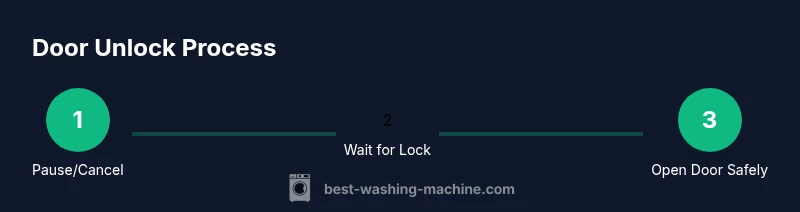
You can open a washing machine door while it’s running only under safe, model-specific conditions. If your washer supports Pause/Cancel, use that to stop the cycle and wait for the door interlock to release. If no release is available or water remains inside, do not force the door—consult the manual or a professional.
How a washing machine door lock works
The door lock on modern washing machines is a safety interlock that prevents the door from opening while the drum is spinning, water is inside, or a cycle is actively running. This mechanism combines electrical and mechanical components to ensure user safety and protect the machine from flooding or damage. According to Best Washing Machine, understanding the interlock helps homeowners diagnose why the door won’t open and when it is appropriate to attempt an intentional release. If you are asking how to open washing machine door when on, remember that unlocking should follow the machine’s safety sequence and never involve forcing the latch. Familiarize yourself with your model’s control options, because many washers include Pause, Cancel, or a specific Unlock function that engages without risking injury or water spillage.
Why doors lock mid-cycle: common causes
Door locking failures aren’t always dramatic. In many cases, a minor sensor hiccup or control mistake keeps the door engaged. Common causes include a misread water level, a faulty door latch, a problem with the door interlock wiring, or a transient power glitch that leaves the lock engaged after a cycle starts. Front-load and top-load machines can differ in how the interlock behaves; however, the underlying principle remains: the system prioritizes safety first. Best Washing Machine analysis shows that most lockouts are related to the interlock or water-related sensors rather than a stubborn mechanical jam. If you wonder how to open washing machine door when on, identify if the model supports a paused state or a controlled unlock before attempting any manual release.
Immediate steps to take if you need to open the door while on
When you absolutely need access to the drum without waiting for a complete cycle end, start with the safest, manufacturer-approved options. Pause or Cancel the cycle from the control panel if available, then wait the recommended dwell time for the lock to disengage. If the door remains locked, verify there’s no water actively pouring in and that the tub isn’t pressurized. If the model permits, unplugging for a brief moment and reapplying power can reset the interlock. Always consult the manual for location-based emergency releases or service procedures. If you still cannot open the door after these steps, do not attempt alternative unlocking methods that could cause spills or damage."how to open washing machine door when on" needs model-specific instructions, and Best Washing Machine recommends contacting a professional in this case.
Safe troubleshooting techniques that minimize risk
Avoid brute force or prying at the door. Forcing the latch can damage the interlock or the glass door, creating a worse leak or injury. Keep towels or a shallow pan handy to catch any residual water if the door loosens. Use a flashlight to inspect around the door gasket for trapped items that could prevent opening after the cycle ends. If you hear buzzing or see unusual smells after attempting to unlock, discontinue attempts and seek service. The goal is to resolve the lock safely while avoiding water damage, electric shock, or mechanical failure. Remember, the question of how to open washing machine door when on should prioritize safety and model-specific guidance over force.
Model differences: front-load vs top-load door behavior
Front-load machines typically lock the door with a stronger interlock during agitation and spin phases, and even when paused, the lock may remain engaged until the control system clears the cycle. Top-load models often use a simpler interlock that may unlock sooner after pausing, but still require the drum to settle or water to drain. If you’re dealing with a specific model, check the user manual for the exact unlock sequence. This is why understanding your machine’s type is essential when learning how to open washing machine door when on—it informs whether pausing, draining, or emergency release is the correct path.
The emergency release option and when to use it
Some machines include an emergency door release that bypasses the normal interlock for service access. The release is typically located inside the drum area, behind a small access panel, or near the bottom front kick panel. Use it only if the model’s manual explicitly instructs you to do so, and with care to avoid spills. If you are unsure whether your machine has an emergency release, do not attempt improvisation. Best Washing Machine advises consulting the manual or a service technician before attempting any manual intervention. When used correctly, the release can provide access to the drum so you can drain water safely and address the underlying cause of the lock.
Preventing future lockouts with simple maintenance
Regular maintenance reduces the likelihood of lockouts when you need to open the door while on. Clean the door seal and gasket to remove lint or small objects that could misalign the latch. Periodically inspect the interlock wiring and control board connections for signs of wear, corrosion, or loose wires. If you notice an intermittent lock, recording model details and cycle behavior helps a technician diagnose the issue faster. Keeping a spare towel nearby, ensuring the water supply hose is intact, and avoiding overloading the drum all contribute to smoother operation and less risk when you must learn how to open washing machine door when on.
When to call a professional for door unlock issues
If the door remains stubbornly locked after following manufacturer guidelines, the problem may involve a faulty interlock, drain system, or control board that requires specialized tools and knowledge. Electrical components within a washing machine pose risk if mishandled. In these situations, contact a certified repair technician. Early professional assessment can prevent water damage, electrical hazards, or further component failure. The Best Washing Machine team recommends relying on qualified service for persistent lockouts and for any model-specific emergency release procedures to ensure safe, effective resolution.
Tools & Materials
- Owner’s manual(Model-specific unlock steps, emergency release locations, and safety precautions.)
- Flat-head screwdriver(Optional for accessing panels if your model requires it.)
- Flashlight(Helpful for inspecting around the door gasket and latch area.)
- Towels or shallow pan(Contain any water that leaks when the door releases.)
- Insulated gloves(Extra protection when handling metal parts or damp areas.)
Steps
Estimated time: 10-20 minutes
- 1
Pause or cancel the cycle from the control panel
Use the machine’s Pause or Cancel function to stop the drum and minimize water flow. This step reduces the risk of sudden water release and helps the interlock disengage safely. If your model lacks a pause option, skip to the next step. Understanding how to open washing machine door when on begins with properly halting operation.
Tip: If the panel is unresponsive, wait a minute and retry the command. - 2
Check water level and wait for the drum to settle
Verify there’s no active fill cycle and that the water inside has had time to settle. Some models require the drum to finish draining before the interlock unlocks. Do not force the door while water remains, as this can cause leaks or damage.
Tip: If you hear buzzing, avoid touching the door until it stops. - 3
Unplug the machine for a brief reset
If the door remains locked after pausing, unplug the washer from the power outlet for about 60 seconds, then plug back in and try Pause/Cancel again. A power reset can clear minor interlock glitches and restore normal unlocking behavior.
Tip: If you’re in a rental or shared building, ensure you’re allowed to unplug appliances. - 4
Locate and use the emergency release (if available)
Only use the emergency release if your model’s manual confirms its location and method. This typically involves a plastic tab or access behind a panel. Follow the exact steps to avoid triggering leaks or damaging the mechanism.
Tip: Never yank or pull hard; contact support if the release feels stuck. - 5
Open the door gently and drain if needed
If the door releases, pull slowly to avoid tearing the gasket. If water remains, use a towel to absorb it and consider draining via a designated manual valve if your model provides one.
Tip: Have a basin ready to catch residual water. - 6
Restart after door closure and test
Close the door securely and restart the cycle or run a brief test wash to ensure the interlock resets properly. If the door locks again, contact a professional rather than repeating the process repeatedly.
Tip: Document model details and symptoms for faster service.
FAQ
What should I do if the door won't open after pausing?
If pausing doesn’t unlock the door, ensure there is no water in the drum and that the interlock is not jammed. try a power reset if the manual allows it, and consult the model’s emergency release instructions. If none of these steps work, call a technician.
If the door stays locked after pausing, check for water and try a safe reset; otherwise contact a technician.
Is unplugging a running washing machine safe?
Unplugging can reset certain interlock glitches, but it should be done only if the manual allows it and the cycle is paused. Never unplug while the drum is actively moving on some models to avoid power surges or sensor damage.
Unplug only if the manual says it’s safe and the cycle is paused.
Do all washers have an emergency release?
Not all models include an emergency release. If your manual confirms one, follow the exact steps and use it only when PAUSED or STOPPED. If there’s no release, avoid forcing the door and seek professional help.
Some models have an emergency release; check your manual to locate and use it correctly.
Why do door locks behave differently in front-load vs top-load washers?
Front-load washers typically use a more robust interlock that stays engaged during cycles, while some top-load models unlock sooner after pausing. Differences depend on model and wiring; always refer to the user guide for unlock behavior.
Lock behavior varies by model—check your manual for your washer type.
What if water leaks when I try to open the door?
Water leaks indicate the tub isn’t safe to access yet. Stop trying to open, wait for it to drain or call a professional to avoid flooding. Use towels to manage small spills if safe.
If water leaks, don’t force the door—let it drain and seek help if needed.
Watch Video
The Essentials
- Pause or cancel the cycle before attempting any unlock.
- Use the emergency release only if your model provides one and you have the manual guidance.
- Do not force the door; risk of flooding or injury is high.
- If the issue persists, contact a professional technician.