How to Drain Washing Machine Water: Step-by-Step Guide
Learn how to drain washing machine water safely by locating the drain hose, clearing blockages, and testing the pump. This comprehensive guide covers steps, tools, safety, and maintenance to prevent future drainage issues.


You will learn how to drain washing machine water safely and efficiently, including locating the drain hose, clearing common clogs, and testing the pump to ensure proper flow. This guide covers safety steps, required tools, and common troubleshooting scenarios so you can handle most drainage issues yourself, in a stepwise, non-destructive manner, with tips on when to call a professional.
Why Drain Water Properly Matters
Drainage performance affects appliance longevity, energy efficiency, and household safety. When you search for information on how washing machine drain water, you’re not just preventing a flooded floor—you’re guarding against mold growth, wastewater backflow, and costly repairs to plumbing and floors. Proper drainage ensures the washer empties efficiently, protects seals and hoses from unnecessary strain, and reduces the risk of water damage in your laundry area. A clear understanding of the water path—from the drum to the standpipe—helps you diagnose issues quickly, choose the right tools, and apply safe, practical fixes. In this section we explore the lifecycle of drainage in a typical home and outline the most common failure modes, so you can recognize warning signs early and act with confidence.
Common Drainage Scenarios You Might Encounter
Drainage issues show up in predictable patterns. A washer finishes a cycle but leaves standing water in the drum can indicate a blocked pump, a kinked drain hose, or a clogged filter. If water backs up at the floor or leaks from the drain outlet, you may be facing a standpipe blockage, improper hose height, or a connection issue to the home plumbing. Slow drainage, gurgling sounds, or sudden water on the floor after starting a cycle are red flags that deserve closer inspection. In this section, we walk through typical scenarios, explain how to verify the cause, and outline safe, practical remedies you can perform yourself before calling a technician.
Diagnosing Drainage Problems: Quick Checks
Before taking anything apart, perform quick, non-invasive checks to narrow down the cause. Start with basic safety: unplug the machine and shut off the water supply. Inspect the visible drain hose for kinks or loose clamps, as a simple hose issue can block flow. If your model has a pump filter or lint trap, remove and clean it to clear hair, fibers, and debris. Reassemble and run a brief drain test to see if water moves freely. If water still won’t drain, test the standpipe or laundry sink by pouring water directly into a bucket to gauge the plumbing’s capacity. Each step helps distinguish whether the problem lies inside the washer or in the home’s plumbing.
Safety First: Precautions While Working
Safety is non-negotiable when dealing with water and electricity. Always unplug the appliance before touching internal components. Wear rubber-soled shoes, use dry towels to mop spills, and work on a dry, non-slip surface. Use a sturdy bucket to catch water and keep another container ready for dislodged debris. If you must move the washer, use proper lifting technique and enlist assistance. Avoid chemical drain cleaners; they can damage hoses, seals, and gaskets and release hazardous fumes in enclosed spaces. If any step feels unsafe, stop and seek professional help.
Step-by-Step Diagnostic Approach
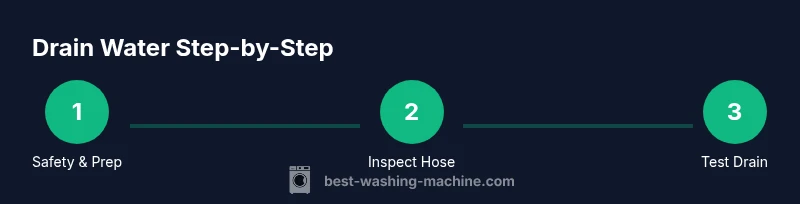
A structured, methodical approach helps identify the drainage problem efficiently. Start with safety and basic checks, then inspect the drain hose for kinks and leaks, followed by the pump filter; clean visible debris if present. Next, verify that the standpipe is clear and the hose is correctly positioned for gravity-assisted flow. Finally, test the washer’s drainage with a controlled load to confirm whether the issue is internal to the appliance or part of the home plumbing. Document your findings as you go to guide any future maintenance or professional service.
Maintenance Tips to Prevent Future Drain Issues
Prevention beats repair. Regularly inspect the drain hose for cracks or kinks, ensure clamps are tight, and keep the area around the washer dry to prevent mildew and corrosion. Periodically clean the pump filter (as recommended by your model’s manual) to avoid fiber and lint buildup. Use the recommended detergent amount and avoid overloading the machine to minimize suds and residue that can enter the drain. If you notice recurring clogs or backflow, consider installing a simple standpipe vent or consulting a professional to review your home plumbing.
Read Your Manual and Plan Ahead
Your washer’s user manual contains model-specific drainage details, including hose routing, standpipe height, and filter access. Following manufacturer guidelines reduces the risk of accidental damage and ensures compatibility with your unit’s pump and pipes. Maintain a small toolbox with a few essential items (bucket, towels, flashlight, pliers) and keep notes of any drainage issues and fixes. This preparation makes future maintenance faster and safer.
Tools & Materials
- Bucket(To catch water from the drain hose)
- Old towels or rags(For spills and floor drying)
- Flashlight(Inspect dark corners and behind the machine)
- Rubber gloves(Protect hands from grime and sharp edges)
- Adjustable pliers(Loosen or tighten hose clamps)
- Screwdriver set(Access panels if needed)
Steps
Estimated time: Total time: 30-60 minutes
- 1
Power off and unplug
Shut off the power by unplugging the washer and, if feasible, switch off the dedicated circuit breaker. Disconnecting power prevents shocks while you handle hoses and internal components. Set a dry towel nearby to catch any residual moisture.
Tip: Always disconnect power before touching interior parts; keep the work area dry to avoid slip hazards. - 2
Locate the drain hose and access point
Find the drain hose at the back or side of the unit. If needed, remove access panels to see clamps and routing. Gently inspect for kinks or loose connections that could block flow.
Tip: Use a flashlight to inspect hidden bends; a small bend near a clamp can significantly reduce drainage. - 3
Position the hose into a bucket
Disconnect the hose from any standpipe and guide it into a bucket to observe the water flow without causing overflow. Check for visible kinks or crimps and straighten them as needed.
Tip: Support the hose to prevent it from slipping out of the bucket during draining. - 4
Access and clean the pump filter
If your model has a pump or lint filter, remove it and clear hair, lint, and debris. Rinse the filter with clean water and reinsert it securely.
Tip: Use a damp cloth to wipe the interior cavity to remove fine debris. - 5
Test drainage with a controlled load
Plug the machine back in, select a drain test or a quick rinse, and observe the flow. If water drains steadily, the issue may be resolved; if not, further checks are needed.
Tip: Start with a small test load to minimize potential spills during testing. - 6
Evaluate standpipe and home plumbing
If water doesn’t drain into the bucket, test drainage into a sink to determine whether the problem lies in the washer or the home piping. If it drains into the sink but not the washer, the issue is likely internal; otherwise, you might have a home plumbing obstruction.
Tip: If you’re unsure, stop and consult a plumber to avoid causing water damage.
FAQ
What is the first thing I should do if my washer won't drain?
Unplug the washer, shut off the water supply, and inspect the drain hose for kinks or blockages. If the issue isn’t obvious, check the pump filter for debris. These basic checks prevent unnecessary disassembly.
First unplug the washer, turn off the water, and check the hose for kinks or clogs, then inspect the pump filter for debris.
Can a clogged drain hose cause water to back up into the washer?
Yes. A kinked or blocked drain hose can prevent water from exiting properly, causing backflow into the drum or onto the floor. Clear the hose and verify stream after reassembly.
Yes, a clogged or kinked drain hose can cause backflow; clear it and test again.
Is it safe to drain washing machine water into a utility sink?
In many homes, draining into a properly sized utility sink is acceptable, provided there is no backflow and the sink drain can handle the water volume. Check local codes if you’re unsure.
Draining into a utility sink is often fine if there’s no backflow and the sink can handle the water.
How often should I clean the pump filter?
Most models recommend inspecting and cleaning the pump filter every few months or when you notice reduced drainage. Always consult your manual for model-specific guidance.
Clean the pump filter every few months or when drainage slows, as your manual suggests.
What should I do if water still won’t drain after these checks?
If drainage remains blocked after checks, the problem could be a faulty pump or a more complex plumbing issue. Consider professional service to avoid causing further damage.
If it still won’t drain, you may have a faulty pump or a plumbing issue; call a professional.
Are chemical drain cleaners safe for washing machines?
Chemical drain cleaners are generally not recommended for washers; they can corrode hoses and seals and may damage internal components. Use mechanical clearing methods instead.
Chemical cleaners are usually not safe for washers; use mechanical clearing instead.
Watch Video
The Essentials
- Identify whether the issue is washer- or plumbing-related.
- Inspect the drain hose and pump filter for obstructions.
- Test drainage with controlled loads to verify fixes.
- Follow manufacturer guidelines for hose routing and standpipe height.
- Call a professional if tests indicate pump failure or complex plumbing problems.