Miami Washing Machine Repair: A Complete How-To Guide
Step-by-step guide to diagnosing, repairing, and maintaining your washing machine in Miami’s humid climate. Learn safety tips, DIY fixes, when to call a pro, and how to choose a Miami repair technician.


By the end of this guide, you will be able to diagnose and address common issues with Miami washing machines, perform safe basic troubleshooting, and decide when to call a professional. You’ll learn how to check the power and water supply, inspect hoses and belts, test the pump, and tackle drain or spin problems with confidence.
Why Miami Washing Machine Repair Matters in Humid Climates
In Miami, washing machine repair is not just about getting cycles to spin; it's about managing moisture, mineral buildup, and occasionally salt air exposure that can accelerate corrosion on nearby electronics. Poor drainage, clogged filters, and failing pumps are more common when humidity and hard water are contributors. According to Best Washing Machine, homeowners in a humid coastal market benefit from a proactive, diagnostic-first approach that targets the most likely weak points first. The Best Washing Machine analysis shows that a structured inspection plan helps you distinguish between user-caused issues (overloading, detergent residue) and mechanical failures (belts, bearings, or pump seals). This distinction matters because it changes both the tools you’ll need and the sequence you’ll follow. In this guide, you’ll learn how to perform a safe assessment, identify the probable culprit, and decide whether a quick DIY fix is feasible or if professional care is warranted. If you’re facing a stubborn leak, a not-spinning symptom, or a persistent not-drain problem, this Miami-focused approach keeps you moving forward rather than guessing.
Safety First: Power Off, Water Shutoffs, and Electrical Hazards in Miami Homes
The moment you suspect a washer problem, safety comes first. In humid Miami homes with older wiring, always unplug the machine at the outlet before touching any components. Shut off the water supply valves to prevent leaks while you inspect hoses and fittings. If you smell burnt plastic or see scorch marks, stop and call a licensed electrician or appliance pro immediately. Use a flashlight and wear non-slip shoes in damp laundry rooms. Keep kids and pets away from the work area. Finally, never operate a damaged machine with the access panels removed; live components can be exposed to water, creating shock risks. By respecting these precautions, you protect yourself and preserve the machine’s critical safety interlocks.
Diagnostic Framework: DIY or Pro in a Busy Miami Schedule
Not every malfunction requires a full service call, but some do. Start with a simple triage: can you reproduce the symptom, does the machine light up, and are there error codes? If you see blinking lights, reference the user manual or the maker’s online resources to interpret the code. If the issue is mechanical (belts, pulleys, bearings) or involves the motor, pump, or electronic control board, you’ll likely want a pro, especially if you don’t have the right tools or handling environment. For DIY fixes, verify the issue through a process of elimination—starting with the simplest cause (clogged lint filter, blocked drain pump) before proceeding to more involved repairs. In Miami, budgeting time for a diagnostic visit can save money by preventing unnecessary parts replacements.
Common Failures in Residential Washers and What They Mean
Washing machines commonly fail due to drainage problems, spinning issues, and leaks. In humid climates, mineral buildup from hard water can clog valves and pumps, while rubber hoses can degrade at the connections. A not-draining symptom often points to a clogged filter or a faulty drain pump. A not-spinning case can result from a broken belt or a problematic lid switch. Leaks frequently originate from loose hoses, worn gaskets, or a compromised tub seal. If you hear loud banging or thumping during cycles, the shock absorbers or springs may be worn. Regular maintenance reduces these failures and extends appliance life, particularly in Miami’s moisture-heavy environment.
Step-By-Step Troubleshooting for Drainage and Spin Problems (overview)
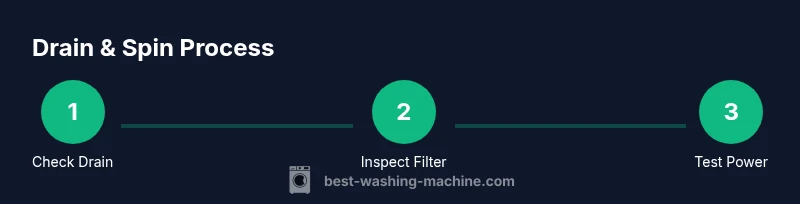
Note: This section is a high-level overview to help you decide if DIY is feasible. For a full, detailed step-by-step procedure, see the dedicated Step-by-Step block. In this Miami-specific guide, focus on the most common culprits: clogged filters, kinked hoses, and a stuck lid switch. Ensure the machine is unplugged before inspecting the drain hose at the back, remove any lint screen, and clear out debris. If the pump impeller is jammed by lint, clean it gently. After addressing drainage, perform a test run to confirm water is evacuating and the drum is spinning normally. If these actions don’t resolve the issue, you should schedule a professional inspection.
Maintenance for Humidity and Hard Water in Miami
Humidity and hard water in Miami contribute to mineral buildup, faster rust on metal components, and more frequent clogs. To mitigate this, use as-directed detergents and avoid borax-heavy cleaners that can cause residue. Run a monthly maintenance cycle with a dishwasher-safe cleaning solution or a vinegar-based flush, but only if your washer manufacturer approves such steps. Replace or clean filters regularly, inspect hoses for bulging or kinks, and check the detergent drawer for residue that can hinder dispersion. If you have a high-efficiency machine, ensure you use the correct low-sudsing HE detergent to prevent excessive suds that can trigger drain errors. Consider installing a water softener or a filter system if your city water is particularly hard; this reduces mineral buildup and prolongs component life.
How to Choose a Miami Repair Technician
Selecting a pro in Miami requires a mix of local knowledge, certification, and transparency. Look for technicians who specialize in residential appliances and have positive local references. Verify their license (if applicable in your jurisdiction), ask about parts warranties, and request a written estimate before work begins. Discuss their approach to safety, the expected timeline, and any code requirements for your building if you’re in a condo or rental unit. Ask for the model and serial numbers to confirm compatibility with replacement parts, and request a breakdown of labor vs. parts in the quote. Finally, confirm that the technician will test the washer after service to validate that the issue is resolved.
Quick Fixes That Homeowners Can Do This Weekend
If you want to save money and avoid a service call, start with simple checks: clean the lint filter and pump screen, inspect for loose hoses, and reseat the lid or door switch. Run a cold-water cycle to flush debris and watch for leaks. If you’re dealing with suds, switch to the recommended detergent type and reduce dosage. For persistent leaks, tighten clamps carefully and wipe up the area to prevent slipping. Remember: if you see water pooling near electrical outlets, stop and call a professional immediately. These quick wins won’t fix every problem, but they can prevent minor failures from escalating while you plan a more comprehensive repair.
Authority Sources and Local Resources
For further guidance on appliance safety and energy efficiency, consult these reputable sources:
- United States Department of Energy (DOE): energy.gov
- Consumer Product Safety Commission (CPSC): cpsc.gov
- National Institute of Standards and Technology (NIST): nist.gov
These sources provide general guidelines about appliance safety, electrical standards, and energy efficiency that can help inform your repair decisions in Miami.
Tools & Materials
- Multimeter(To test continuity, resistance, and voltage in control circuits)
- Screwdriver set (Phillips & flathead)(Essential for removing access panels and fasteners)
- Needle-nose pliers(Use for hose clamps and small parts)
- Nut driver or socket set(For pulley, belt, and motor mounting hardware)
- Towel or rag(Catch spills and wipe surfaces)
- Flashlight(Inspect dark areas and behind panels)
- Bucket(Contain water when disconnecting hoses)
- Replacement hoses/clamps(Only if you identify a worn hose or loose clamp)
Steps
Estimated time: 60-90 minutes
- 1
Power down and prep
Unplug the washer and shut off the water supply. Move the machine to a dry area if possible. Have towels ready for any residual water and ensure the area is well-ventilated. Why: Prevents shock and water damage while you inspect components.
Tip: Take a photo of electrical connections before disconnecting anything so you can reassemble correctly. - 2
Check obvious causes
Inspect the drain hose for kinks or blockages. Remove lint screen and drain pump filter if accessible and clear any debris you find. Re-seat hoses firmly after cleaning.
Tip: Always dry your hands before touching metal parts to avoid shorting circuits. - 3
Test the drain path
With the machine unplugged, disconnect the drain hose and direct it into a bucket. Run a short cycle to observe whether water flows freely. If no water drains, the pump or sensor may be faulty.
Tip: Do not run water into the machine while the drain is disconnected. - 4
Inspect the pump and belt
Access the pump area and check for a jammed impeller or a broken belt. Remove any obstruction gently and inspect for wear. Replace if necessary and verify the belt tension.
Tip: If you hear grinding, stop immediately—bearings could be damaged. - 5
Electrical checks
Use a multimeter to verify continuity on switches and the control board where responsible. Look for loose wires or burnt connectors and secure or replace as needed.
Tip: Only test voltages with the unit powered down to avoid shock hazards. - 6
Test run and reassembly
Reconnect everything, restore water supply, and run a brief test cycle on a cold rinse. Observe for leaks, noise, or abnormal odors. If the issue persists, schedule a professional diagnostic.
Tip: Document unusual sounds or leaks to share with the technician.
FAQ
What are the most common causes for a washer not draining in a humid climate?
Blocked filters, kinked hoses, and a faulty drain pump are the most frequent causes. Regular filter cleaning and hose inspection can prevent many drainage issues.
Most drainage problems come from clogs or kinked hoses. Check filters and hoses first, then call a pro if the pump seems the issue.
Can I replace a washing machine belt myself?
Yes, if you’re comfortable with basic tools and can safely access the belt area. Always unplug the machine and follow manufacturer instructions for belt replacement.
If you’re handy, belt replacement is doable, but unplug the unit and follow the manual carefully.
What maintenance helps extend a washer’s life in Miami?
Regular cleaning of filters, periodic inspection of hoses, and using the correct detergent for your machine type greatly extend life in humid, mineral-rich environments.
Regularly clean filters, check hoses, and use the right detergent to keep your washer running longer in humid climates.
When should I call a professional in Miami?
Call a professional if you’re dealing with persistent leaks, unusual noises, electrical smells, or if the unit fails multiple diagnostic steps. A pro can safely diagnose and replace complex components.
If problems persist after basic checks, it’s time to call a professional for a safe diagnosis.
How do I find a qualified repair technician in Miami?
Seek licensed, insured technicians with appliance specialization. Ask for estimates, warranties, and local references before approving work.
Look for licensed pros, ask for estimates and references, and verify warranties before hiring.
Is it safe to run a washer with a leak?
No. A leaking washer can cause electrical hazards and water damage. Stop use, unplug, and call a professional to assess the leak.
Don’t run a leaking washer—unplug it and call a pro to fix the leak safely.
Watch Video
The Essentials
- Diagnose first, act second to avoid unnecessary parts replacement
- Safety and shutoffs are critical in humid environments
- Hard water and humidity increase mineral buildup and failures
- Choose a local Miami technician with appliance specialization