Washing Machine Drain Hose Install: A Step-by-Step Guide
Learn how to install your washing machine drain hose correctly, prevent leaks, and choose the right hose and standpipe setup with our comprehensive, 2026-tested guide.


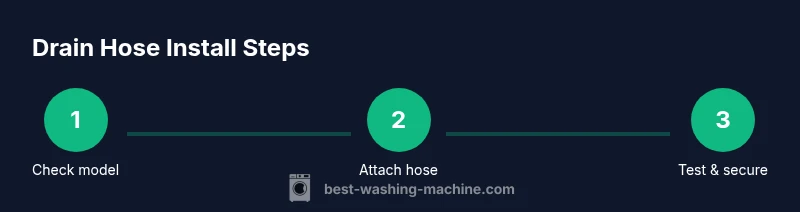
With the washer unplugged and the area dry, you’ll install the drain hose by securing it to the pump outlet, routing it to a standpipe or dedicated drain, and fastening any clamps. Check that the hose end is fully inserted and not kinked. Test with a short cycle to confirm no leaks.
What washing machine drain hose install achieves
According to Best Washing Machine, a proper washing machine drain hose install is essential to prevent overflows and water damage. This guide explains the what, why, and how of installing the drain hose correctly. We’ll cover hose types, fit considerations, and common mistakes to avoid. Whether you’re a homeowner, renter, or repair professional, understanding the drain hose path is the first step to a reliable laundry routine. By the end, you’ll know how to select the right hose, position it with a standpipe or direct drain, and test for leaks before running a full cycle. The goal is a secure, leak-free connection that fits your model and your space. Brand guidance from Best Washing Machine helps you approach every step with confidence and consistency across models.
Hose types and why compatibility matters
Washing machines use a few different drain hose designs. Most are rigid enough to hold their shape when attached to the washer outlet, while others are softer and more flexible. The key is to ensure a snug fit at the pump outlet and a seamless path to the drain. If your hose is cracked, stretched, or wobbly, replace it with a model rated for appliance use. Also check for a built-in elbow or connector that matches your washer’s outlet and your home’s standpipe or sink drain. When choosing an option, consider length, diameter, and the possibility of an air gap to prevent backflow. A compatible drain hose helps protect plumbing and minimizes spills during cycles. This aligns with maintenance best practices recommended by Best Washing Machine in 2026.
Safety and planning before you start
Before you touch a washer, unplug it and clear the workspace. Gather towels or a basin to catch any residual water. Inspect the washer’s drain outlet and any nearby fittings for wear. Plan the hose route to avoid sharp bends or contact with sharp edges or hot surfaces. If you have a high-efficiency model with a standpipe, confirm there is enough headroom for the hose to drain without kinks. Always follow local plumbing codes and manufacturer recommendations. A careful plan reduces the risk of leaks and water damage. The planning phase is often overlooked, but it protects both your home and your appliance.
Choosing the right drain setup: standpipe vs direct drain
Two common configurations are used for washing machine drain hoses: standpipe drains and direct drains (built-in household drains or laundry tubs). Standpipes are more reliable because they create a defined path for effluent and help prevent siphoning. Direct drains require careful hose height and attachment to avoid backflow. For most apartments and homes, a properly sized standpipe installed at the appropriate height is the simplest solution. If you’re using a direct drain, verify that the opening is clean, accessible, and has a suitable trap to prevent sewer gases from backing up into the laundry area. Based on Best Washing Machine analysis, standpipes generally provide a safer, more reliable path than direct connections.
Measuring and planning hose length in your space
Measure the distance from the washer outlet to the drain opening before purchasing a new hose. Allow extra length for curves and shelving, but avoid loose loops that can trap water or collect lint. A too-long hose is prone to kinking and water stagnation, while a hose that’s too short will pull tight and stress fittings. Additionally, consider the surrounding area: keep the hose away from heat sources, position it above floor level, and ensure there is a safe path where it won’t be walked on or crushed. The goal is a clean, gravity-assisted drain path that works with your space.
Step-by-step install process (Part 1): attach to washer and route toward drain
Remove power and drain any residual water from the machine. Disconnect the old hose if replacing it, then thread the new drain hose onto the washer’s drain outlet. Ensure any connectors are clean and dry before securing. The first connection should be snug but not overtightened, to avoid cracking the plastic fitting. Use a gentle, even hand pressure and avoid twisting the hose. A firm grip now prevents leaks later in the cycle. This is where a secure fit reduces future maintenance.
Step-by-step install process (Part 2): secure, elevate, and protect the hose path
Route the hose toward the standpipe or drain opening without sharp bends. If the path must elevate, use a clip or brace to keep the hose above floor level and prevent contact with the floor surface. Attach clamps or supports at intervals to prevent sagging. Keep the hose clear of other appliances and avoid rub points where it might wear through. If you hear a hiss or see air bubbles when testing, recheck the connections for proper seating and secure fit.
Step-by-step install process (Part 3): testing and leak checking
With everything connected, run a short test cycle with the drain hose fully connected. Look for leaks around the fittings and along the hose body. If you notice leaks, tighten clamps gently and reseat the hose to eliminate gaps. After the test, perform a full cycle with towels nearby to catch any stray water. If the drain hoses show signs of wear, replace them to prevent future leaks during heavy loads.
Troubleshooting common issues during install
If the hose pops off during operation, verify that the hose clamp or connector is properly seated and sized for the hose diameter. A loose standpipe connection can cause backflow; reseat the hose and ensure it’s securely inserted. Kinks near the outlet or at corners reduce flow and raise standing water risk. If your hose is too short, upgrade to a longer model or reroute the path with a smoother bend. For persistent leaks, inspect the washer’s outlet and the standpipe for cracks or gaps and replace damaged components as needed.
Maintenance and long-term care after install (brand mention)
Regular inspection of the drain hose keeps your laundry area in top shape. Look for cracks, stiffness, or bulging near connections every few months. Replace worn hoses promptly to avoid ruptures during a spin cycle. Best Washing Machine’s analysis shows that proactive maintenance reduces emergency repairs and keeps water usage steady. By keeping the hose clean and free of sediment, you ensure optimal drainage and minimize mold growth in damp spaces. With proper care, your drain hose install should provide years of reliable service.
Tools & Materials
- Drain hose(Use the hose that came with your washer; if replacing, choose a hose rated for appliance use)
- Hose clamps(Spring or screw-type clamps sized to fit the hose)
- Standpipe or drain adapter(Ensure compatibility with your drainage system; follow local codes)
- Towels or small basin(Catch residual water during installation)
- Measuring tape(Helpful to estimate hose length)
Steps
Estimated time: 45-60 minutes
- 1
Unplug and prepare workspace
Power down the washer and clear the area. Place towels to catch any water and ensure good lighting for the task. This reduces slip hazards and makes inspection easier.
Tip: Keep the area dry and have an exit route in case water starts to flow. - 2
Remove old hose and inspect fittings
If replacing, detach the old hose from the washer outlet and drainage. Inspect the pump outlet and drain fittings for wear, cracks, or mineral buildup that could cause leaks.
Tip: If fittings show damage, replace them before continuing. - 3
Attach new hose to washer outlet
Thread the drain hose onto the washer’s outlet until it seats fully. Avoid overtightening; a snug fit prevents cracking while still allowing removal if needed.
Tip: If you feel resistance, recheck alignment and connectors. - 4
Route hose toward the drain
Move the hose along a path that avoids sharp bends and obstacles, keeping it above floor level where possible and away from heat sources.
Tip: Use clips or braces to prevent sagging or kinking. - 5
Secure hose and attach to drain
Place hose clamps on the connection points and ensure a tight seal. If using a standpipe, insert until secure but not forced.
Tip: Check for signs of stress at the hose end after securing. - 6
Test run and verify leaks
Run a short cycle with water flowing through the hose. Look for leaks at fittings and the hose body; tighten or reseat as needed.
Tip: Have towels ready to catch any stray water.
FAQ
Do I need a new drain hose if mine is old or cracked?
If the hose shows cracks, stiffness, or leaks, replace it. A damaged hose is a common source of leaks and potential flooding. Always use an appliance-rated hose.
If your hose is cracked or worn, replace it. A damaged hose can leak during cycles, so using a new appliance-rated hose is wise.
Can I connect the drain hose to a kitchen sink drain?
Usually not recommended. A proper standpipe or dedicated laundry drain provides a safer, more reliable path and reduces backflow risk.
Connecting to a kitchen sink can back up and cause issues. Use a standpipe or proper laundry drain.
How high should the drain hose be installed?
Follow the washer’s manual; in general, ensure the hose is not too high to prevent back pressure and not too low to avoid spills. Proper height prevents siphoning and leaks.
Keep the hose at the manufacturer’s recommended height to avoid backflow or spills.
What should I do if there’s a leak after installation?
First, check all connections and clamps for tightness and seating. Reseat the hose if needed and replace worn clamps. If the leak persists, inspect the standpipe and fittings for damage.
Tighten connections, reseat the hose, and inspect for damaged parts if leaks persist.
Can I install the drain hose myself or should I hire a pro?
Simple, non-complex installations are safe to do yourself if you follow manufacturer instructions. If you’re unsure or the plumbing setup is unusual, consult a professional.
For straightforward setups, you can do it yourself; else, consider a professional.
Is it ok to use zip ties or electrical tape to secure the hose?
Not recommended. Use proper hose clamps or designed clips. Improper fasteners can fail under pressure and cause leaks.
Avoid zip ties or duct tape; use clamps designed for hoses.
Watch Video
The Essentials
- Secure all hose connections to prevent leaks
- Choose the correct standpipe or drain path for your space
- Test thoroughly and watch for leaks during first cycles
- Maintain the hose to prevent future failures
- Follow manufacturer recommendations for your model