Repair Washing Machine Drain Hose: A Step-by-Step Guide
Learn how to repair or replace a washing machine drain hose, troubleshoot clogs, leaks, and disconnections with safe, step-by-step guidance from Best Washing Machine.


Repairing a washing machine drain hose helps prevent overflows and water damage. This guide shows quick outcomes: identify hose issues (clogs, kinks, disconnections), gather basic tools, and perform a safe, step-by-step repair or replacement. You'll learn when to repair versus replace, and how to test the washer after reattachment. This quick intro helps you decide if you can DIY or should call a pro.
Drain hose basics: purpose and common failure modes
The drain hose is the conduit that carries wastewater from your washing machine to a standpipe or laundry tub. Its job is simple, but critical: it must carry water smoothly without leaks or backflow. Common failure modes include clogs from lint, fabric fibers, and soap buildup; kinks that restrict flow or cause siphoning; and loose connections that leak at the clamps. Inspecting both the hose and its fittings is essential when you notice slow draining, water pooling, or the machine stopping mid-cycle. Regular checks can prevent water damage and extend the life of your washer. When you repair the drain hose, you improve overall performance and reduce the risk of streaky loads or mildew from residual moisture.
Safety notes for this project include turning off power and water supply, wearing gloves, and having a towel or bucket ready to catch spills. Always unplug the machine before touching electrical components, and never work behind a live appliance without proper clearance. If the hose shows signs of bulging, cracking, or persistent leakage after a basic reseat, plan for replacement rather than temporary patching. A correctly installed drain hose should slope slightly downward toward the drain to prevent water from backing up into the washer.
Diagnosing the problem: blockage, kinks, and disconnections
Begin by observing the discharge during a wash cycle. If water drains slowly or backflows, inspect the hose for visible clogs just beyond the appliance outlet. Check for kinks along the length of the hose, especially where it exits the back of the washer or bends to reach the standpipe. Ensure clamps at both ends are intact and snug; loose clamps can mimic leaks or allow air to bypass the hose, reducing drainage efficiency. If you find a damaged hose or worn clamps, replacement is usually the safer, longer-lasting option. Document the exact model and hose size to ensure a proper fit for replacement.
Accessing the drain hose: steps to reach it safely
Most front- or top-loading washers expose the drain hose at the back or bottom panel. Begin by safely unplugging the unit and turning off the water shutoff. Move the machine slightly away from the wall to access the hoses. Remove any protective panels per the user manual, then locate the drain hose connected to the washer’s drainage port. Use a flashlight to inspect clamps; if you must detach the hose, place a towel or shallow pan underneath to capture residual water. Keeping the area dry protects both you and the machine during work.
Repair vs. replacement: deciding the best option
A damaged, cracked, or severely kinked hose should be replaced rather than patched. Replacement hoses are inexpensive and readily available; ensure you choose the correct diameter and length for your model. If the hose is merely clogged near the outlet, cleaning and reseating might suffice. A general rule: if the hose shows visible cracks, bulges, or persistent leakage after reattachment, replace it. For many homeowners, replacing the hose with a stainless-steel flexible option can offer greater durability and peace of mind.
Aftercare and testing: ensure a leak-free operation
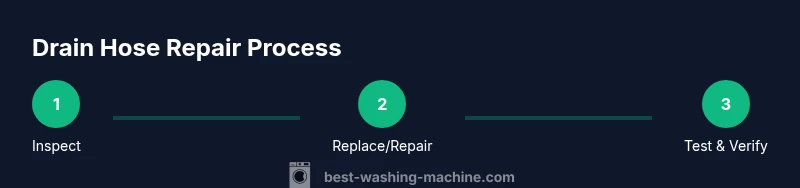
Reattach the hose with clean clamps, secure connections, and the correct orientation to prevent backflow. Reconnect to the standpipe and ensure there is no water pooling around the machine base. Plug the machine back in and run a short cycle with water only to verify drainage and leak-free operation. Check under the washer for any signs of dampness after the test run, and wipe up any residual moisture to prevent mold growth. Proper testing confirms a successful repair or replacement and minimizes the chance of a call-back.
Authoritative sources and further reading
For safety and best practices, consult reputable guides. See the following sources for more detailed guidance on appliance safety and plumbing basics: https://www.ftc.gov, https://www.energy.gov, and https://www.epa.gov. These references provide general safety considerations that complement hands-on repair steps and maintenance routines.
Tools & Materials
- Adjustable wrench(Loosen hose clamps and fittings)
- Screwdriver set (Phillips & flathead)(Remove screws on access panels)
- Pliers(Grip and tighten hose clamps)
- New drain hose (if replacing)(Measure length to fit model)
- Hose clamps (stainless steel)(Replace worn clamps for a secure seal)
- Bucket or towels(Catch water and keep workspace dry)
- Flashlight(Better visibility behind the appliance)
- Gloves(Protect hands from sharp edges)
Steps
Estimated time: 45-60 minutes
- 1
Power down and prepare
Unplug the washer and turn off the water supply. Move the machine slightly away from the wall to access the back panel. Place a towel or shallow tray beneath to catch any residual water and reduce the risk of a slip.
Tip: Keep the floor dry and take a quick photo of hose connections before removing anything. - 2
Access the drain hose
Remove the back or front panel as needed to locate the drain hose. If your model uses a bottom panel, carefully pry it open. Inspect the hose end for visible kinks, cracks, or disconnections.
Tip: Do not force panels if screws resist; consult the manual to avoid damage. - 3
Disconnect and inspect
Loosen hose clamps at both ends with the wrench or screwdriver. Gently pull the hose away from the fitting and check the interior for blockages. Look for signs of wear, splitting, or mineral buildup that could restrict flow.
Tip: If the interior is blocked, use a flexible brush or pipe cleaner—never use a metal rod that could puncture the hose. - 4
Decide on repair vs replacement
If the hose is cracked, bulging, or heavily worn, replace it. If it’s only clogged, cleaning and reseating may suffice. Match the new hose length and diameter to the original specs to ensure proper drainage.
Tip: When replacing, always replace clamps with stainless steel for a tighter seal. - 5
Reconnect securely
Attach the hose to the washer outlet and standpipe, tightening clamps firmly but without over-tightening. Reassemble any panels you removed and ensure there are no pinched sections or sharp bends.
Tip: Leave a slight downward slope toward the standpipe to prevent backflow. - 6
Test the setup
Plug in the machine and run a short cycle with water to check for leaks at both ends. If you see any moisture, re-tighten clamps and check for cracks or misalignment. Allow the area to dry and monitor over the next few minutes.
Tip: Use a dry paper towel to wipe down around connections during the test.
FAQ
What are common signs of a faulty drain hose?
Common signs include slow draining, water backing up into the washer, visible cracks or bulges, and frequent leaks at clamps. If you notice any of these, inspect the hose and its connections as a first step.
Common signs are slow draining and leaks at the hose clamps. Check the hose and connections if you see these symptoms.
Can I fix a damaged drain hose myself?
Small clogs or minor kinks can sometimes be addressed with cleaning and reseating. However, a cracked or severely worn hose is best replaced to prevent future leaks and water damage.
You can fix minor clogs, but replace a damaged hose to prevent leaks.
How long should a drain hose be?
Hose length should match the washer model and reach the standpipe with a slight downward slope. Avoid overly long hoses that can kink or create backflow.
Make sure the hose reaches the standpipe with a slight slope; avoid excess length.
What should I do if I can't access the drain hose?
If access is restricted, consult the user manual for alternative panels or contact a professional. Do not force panels, which can damage the appliance.
If you can't access it safely, refer to the manual or call a pro.
Is it safe to run with a disconnected hose?
No. Running with a disconnected hose can cause flooding, water damage, and electrical hazards. Always reconnect securely before operating.
No—never run the washer with the hose disconnected; fix it first.
Watch Video
The Essentials
- Identify hose issues before disassembly.
- Prioritize safety: unplug, shut water, and dry workspace.
- Replace worn hoses rather than patching for longevity.
- Secure clamps and ensure proper slope for drainage.
- Test thoroughly and monitor for leaks after repair.