Washing Machine Won t Drain: Urgent Troubleshooting Guide
Urgent guide to fix a washing machine won t drain. Learn common causes, quick checks, step-by-step fixes, safety tips, and prevention to get your laundry day back on track.


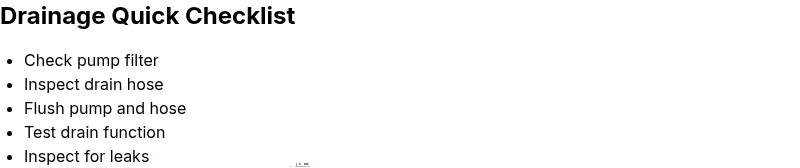
Most often, the drain problem is a clogged pump filter or blocked drain hose. Unplug the machine, locate the front-access filter, remove debris, rinse, and reinstall. Check the drain hose for kinks or a high loop. After these quick steps, run a short wash cycle to test drainage. If the washing machine won t drain after this, move to deeper diagnostics.
Why the washing machine won t drain
When a washing machine won t drain, the first thing to understand is that most failures are mechanical rather than electrical. The keyword washing machine won t drain appears frequently in customer questions because drainage relies on a simple path: water exits the drum, travels through a pump, and leaves via the drain hose. If any part of that path is blocked, water will pool in the drum and the cycle will stall. According to Best Washing Machine, most drainage problems begin with accessible, user-serviceable parts, not expensive repairs. In many homes, a partial clog can prevent proper flow, triggering a drain error and leaving you with a washer that sits full of sudsy water. Quick, calm action now can save you from a longer breakdown later. The goal is to restore a clear path from the drum to the drain hose and beyond, while ensuring safety throughout the process.
Why the problem happens and the role of routine maintenance
From a maintenance perspective, accumulation of lint, coins, hair, and detergent residue is the enemy of drainage. A small amount of debris can block the pump filter and restrict water flow. Over time, rust or mineral buildup can also hinder the pump’s impeller. In high-efficiency models, limited water volume can magnify even small clogs, making the problem feel dramatic. Regular cleaning of the filter and hose, plus a yearly check of the pump area, dramatically reduces the chances of a sudden drainage failure.
The dramatic difference between a clog and a failed component
A clog often presents as water in the drum after a cycle completes, or a sudden stop with lights indicating a drain error. A failed pump or motor tends to produce a humming or buzzing sound without the pump moving water, and may require component replacement. Diagnosing the difference early helps you decide whether you can fix it yourself or need a professional.
Quick checks you can perform without disassembly
Before opening panels, perform these checks: confirm the machine is powered off and unplugged; remove any laundry and leave the door ajar to prevent pressure build-up; check the exterior drain hose for kinks or a blockage; inspect the pump filter (if accessible from the front) for trapped debris. If water begins to drain during these checks, you have a strong indication the path is being restored.
Safety-first approach to basics
Never try to drain a washer while it’s plugged in. If water level remains high or you see burning smells or scorch marks, stop and disconnect the power. Use rubber gloves, protect the floor with towels, and avoid forcing components. If you’re not confident handling electrical connections or removing panels, it’s safer to call a professional early rather than risk shock or further damage.
Prevention and maintenance to avoid future drain issues
Lint traps, filters, and hoses should be checked monthly in busy households. A simple routine: run a short empty cycle with a small amount of detergent to clear residues; inspect and clean the pump filter; ensure the drain hose has a gentle downward slope and is not coiled beneath the machine; store detergents and coins away from the washer to prevent accidental contact with the drain path.
Initial planning for emergencies
If you’re working during a busy weekday, set up a temporary plan: have a laundry basket ready, and consider a nearby laundromat as a backup. While addressing the drain issue, you can still do light laundry that doesn’t require full cycles. Having a plan reduces stress and helps you act quickly when water won’t drain.
Steps
Estimated time: 45-75 minutes
- 1
Power down and prepare
Unplug the washer and pull it slightly away from the wall to access the front panel or bottom kick plate. Place towels or a basin to catch any residual water. This first step ensures your safety before you touch any internal parts.
Tip: Keep track of screws and panels; a small magnetic tray helps prevent lost parts. - 2
Access the pump filter
Open the front access panel or remove the kick plate to reach the pump filter. Place a shallow tray underneath and slowly turn the filter counterclockwise to loosen. Expect some water to drain; catch it with towels or a container.
Tip: If the filter is extremely tight, use a pair of pliers on the edge, not the filter itself, to avoid damage. - 3
Clean and inspect the filter
Remove any lint, coins, hair, or fabric fibers from the filter screen. Rinse under running water until clear. While you’re there, inspect the filter housing for cracks or trapped debris that could restrict flow.
Tip: Use a soft brush to dislodge stubborn fibers without tearing the mesh. - 4
Check the drain hose
Trace the drain hose from the pump to the standpipe or sink. Look for kinks, sharp bends, or a loop that traps water. Detach the hose end and flush with clean water to remove any blockage if accessible.
Tip: Make sure the hose end is fully inserted when reattaching to avoid leaks. - 5
Test the drain pump operation
With the hose secured, manually drain a small amount of water using the test cycle or by manual drain (if your model allows). Listen for the pump motor running when the cycle progresses to the drain step. A silent or buzzing pump indicates a fault.
Tip: If you hear a hum but no movement, the impeller may be jammed or the motor could be failing. - 6
Run a test cycle
Reassemble the filter and hose, plug the machine back in, and run a short wash cycle with no or light loads. Observe whether water drains smoothly within the expected phase of the cycle.
Tip: Be ready with towels; a successful test is the quickest reassurance that you’re on the right track. - 7
Decide on the next steps
If draining works during the test, rewash a small load and monitor for a recurrence. If not, you may need a pump replacement or further electrical troubleshooting. In that case, consult a professional.
Tip: Document any error codes shown on the display; they help a technician diagnose efficiently. - 8
Know when to call a professional
If you repeatedly encounter the same drain issue after cleaning and testing, or if you notice electrical smells, smoke, or leaks, stop and contact a certified appliance technician. Timely professional help prevents further damage.
Tip: Ask about a diagnostic visit fee and whether parts are covered under warranty or service plans.
Diagnosis: Washing machine won t drain
Possible Causes
- highClogged pump filter
- highKinked or blocked drain hose
- mediumFaulty drain pump
- lowDamaged lid/door switch
Fixes
- easyClean the pump filter and remove debris
- easyStraighten the drain hose and flush to clear blockages
- mediumTest the drain pump; if it doesn’t operate, replace the pump
- mediumInspect the lid/door switch and wiring; replace if it’s not signaling closed
FAQ
What is the most common cause of a washing machine not draining?
The most common cause is a clogged drain pump filter or a blocked drain hose. Clearing the filter and removing hose blockages often resolves the issue without professional help.
The most common cause is a clogged pump filter or drain hose. Clearing those usually fixes it.
Can a blocked drain hose cause this problem?
Yes. A kinked, crushed, or blocked drain hose can prevent water from leaving the drum. Inspect the hose, straighten bends, and flush it to remove any blockage.
Yes, a blocked or kinked drain hose can cause this. Inspect and flush it.
Is it dangerous to drain water manually?
Manually draining water is generally safe if the power is off and you use a bucket or towels to catch the water. Avoid electrical contact and never drain while plugged in.
You can drain manually with power off, using a bucket or towels, but don’t do it while plugged in.
When should I replace the drain pump vs repair it?
If the pump motor is humming but not moving water, or there are signs of wear, replacement is usually recommended. Repair is possible if a simple impeller jam is detected, but it depends on availability of parts.
If the pump hums but won’t move water, replacement is often best; a jam might be repairable, depending on parts.
Can overloading contribute to drainage problems?
Overloading can place extra strain on the pump and hoses, increasing the chance of kinks or blockages. Remove heavy loads and run smaller cycles to prevent this.
Overloading can stress the pump and hoses, so avoid large loads and run smaller cycles.
How do I reset the washer to clear error codes for drainage?
Many washers reset by unplugging for a minute or following a model-specific combination of button presses. Check your model's manual or manufacturer site for exact steps, as this varies.
Unplug for a minute or follow your model's reset steps to clear codes.
Watch Video
The Essentials
- Identify the drain path and start with easy checks
- Clogged filters and kinked hoses are the top culprits
- Test with a short cycle to verify fixes
- Know when to escalate to professional help
- Prevent future issues with regular maintenance