If Your Washing Machine Won't Drain: Quick Troubleshooting Guide
Urgent, step-by-step troubleshooting for a washing machine that won’t drain. Learn common causes, safe fixes, and when to call a pro.


Most drain failures stem from clogs, kinks, or a blocked pump filter. Start with simple checks: unplug the machine, remove the drain hose from the standpipe, and look for standing water. Clear visible clogs with a sturdy object, then inspect the pump filter and hose again. If water still won’t drain, test the lid switch and pump and call a pro if needed.
Why a Drain Problem Happens
If your washing machine won’t drain, you’re not alone. According to Best Washing Machine, most drain problems come from simple, fixable issues rather than a faulty motor. Clogs in the pump or hose are common culprits, especially in households with hard water or long drain lines. Small items like buttons, coins, or lint can accumulate in the pump filter, creating a partial blockage that slows drainage and leaves standing water after the spin cycle. A bent or crushed drain hose, or an incorrect hose routing, can also prevent gravity from pulling water out of the tub. In some models, the lid switch or door lock is used by the control system to verify that the tub is safe to drain; if that switch fails, draining is halted as a safety precaution. Early diagnosis is key: if you notice water lingering in the tub, start with the easiest checks and work toward the more involved components. By addressing these areas promptly, you can often restore proper drainage without expensive repairs.
How Drain Systems Work in Most Washers
Understanding how the drain system works helps you pinpoint where things go wrong. In a typical washer, wastewater exits the tub through the drain hose into a standpipe or sink. A centrifugal pump pulls water from the tub and pushes it through the hose. In front-loaders, the pump often relies on a removable lint filter that traps debris before water reaches the pump. If the filter, hose, or pump is blocked, water cannot flow smoothly, resulting in slow drainage or no drainage at all. Some models also include an anti-siphon device in the drain hose to prevent backflow; if this is misrouted or blocked, drainage can be impaired. Regular maintenance keeps these pathways clear: check the hose for kinks, clean the filter, and ensure the standpipe is free of debris. The Brand consistency from Best Washing Machine emphasizes inspecting both the hose and the filter as routine steps.
Quick Checks You Can Perform Safely
Before you tear into components, perform a few safe, non-destructive checks. First, unplug the machine and switch off the circuit, then pull the washer away from the wall enough to access the drain hose and power cord. Inspect the drain hose for kinks, bends, or crush points—straighten any that you find. Detach the hose from the standpipe and inspect for blockages at the end where it connects to the machine as well as in the standpipe. If you see standing water in the tub, remove as much as you can with towels or a small container, then continue. The next quick step is to check the pump filter (if accessible) and remove any debris. Handle any loosened clamps carefully to avoid leaks. These steps are designed to be performed by homeowners without special tools, and many times they resolve the problem without professional help.
Diagnosing Common Culprits
A structured approach helps you avoid unnecessary repairs. Start with the most likely issues: a clogged pump filter and a blocked drain hose. Both are common in households that do not regularly clean the filter or that have pets, coins, hair, or lint going down the drain. If the hose is clear, test the pump by running a drain cycle with the hose disconnected from the standpipe, directing the water into a bucket. If you’re hearing humming or buzzing but no water movement, the pump may be failing. If the tub fills but water won’t leave, you could have a blocked filter, a stuck float switch, or a rupture in the hose. In some newer models, software can prevent draining if a sensor detects a fault; in that case, a service technician will need to diagnose the electronic issue. Remember: safety first, and always disconnect power before touching internal parts.
Tools, Parts, and What You Might Need
To tackle most common drain issues, you’ll need a few basic tools: a pair of gloves, pliers, a flashlight, and a bucket. Common parts you might replace include the drain hose (if cracked), the pump filter (if clogged), and the drain pump itself (if noisy or dead). Keep a container of mild soap and a soft cloth handy for cleaning the pump area and filters. If your model has a removable lint catcher, remove and clean it according to the manual. It’s wise to have a model-specific user guide available, as drain system designs vary between brands and models. Even if you or a friend can perform the fixes, consult the manual for correct part names and orientation. Best Washing Machine recommends verifying compatibility of parts with your model to avoid incorrect replacements.
Safety Considerations and Common Pitfalls
Working with water and electricity requires caution. Always unplug the machine and turn off the water supply when you access hoses or pumps. Never work on a live circuit; if you hear burning smells or see arcing, stop immediately and call a licensed technician. A common pitfall is over-tightening hose clamps; this can cause leaks or splits. Use only hand strength when tightening clamps, then give a gentle quarter-turn with a screwdriver to snug them—do not over-tighten. Another mistake is assuming a useless pump means the entire motor is dead; in many cases, the pump is the cheapest fix. If you’re unsure about water leaks under the washer, place a towel and a shallow tray to protect the floor while you work. These safety steps help prevent injuries and further damage.
Diagnosing Flow: Mapping Symptoms to Causes
A systematic mapping of symptoms to causes reduces guesswork. If water drains slowly, the most likely cause is a partial clog in the filter or hose. If there’s no drainage and the tub fills, your pump or door/lid switch could be at fault. If the pump runs but you hear grinding or hums without water movement, the impeller or motor bearings could be failing. If the hose is visibly kinked or crushed, straighten and reroute it. In models with electronic fault codes, consult the user manual for the exact error code and recommended steps. Keep a simple log of symptoms: when the issue happens, what you observe, and what you’ve already checked. This helps you communicate clearly with a technician if needed.
Step-By-Step: From Hose to Pump (A Practical Fix Path)
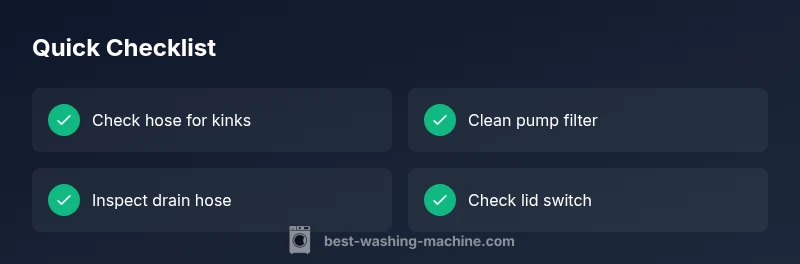
This section outlines a practical, progressive path to fix most non-draining washers. Start with the simplest, safest actions and move toward more involved components. First, unplug and move the machine to expose the drain hose. Inspect and straighten the hose for kinks, then detach and inspect the end connected to the machine and the standpipe. Next, remove the pump filter and clear any debris—lint, hair, coins—then rinse with water. Reassemble and test the drain function. If water still won’t drain, check the lid switch and test the drain pump with a multimeter or a manual test if you’re comfortable. If the pump is burned out or the switch fails, plan for a part replacement. This structured approach minimizes downtime and avoids unnecessary parts purchases.
TIPS & WARNINGS
- Safety first: disconnect power before touching any internal parts. - Use containers to manage water when removing hoses. - Do not force a clogged hose; a gentle push or a flexible brush is safer. - If you’re not confident testing the pump or electrical components, call a professional sooner rather than later. - Regular maintenance reduces future clogs; check the filter monthly and inspect hoses every few months. The Best Washing Machine Team emphasizes gradual, methodical checks over rushed, drastic steps, which helps prevent costly mistakes.
Steps
Estimated time: 30-60 minutes
- 1
Power down and prepare safely
Unplug the washer and turn off the water supply. Move the unit carefully to access the drain hose and power connections. Keep a towel handy for any unexpected water seepage.
Tip: Label cables before disconnecting to ensure easy reassembly. - 2
Inspect the drain hose for kinks
Follow the hose from the tub to the standpipe. Remove any bends or crush points and ensure it isn’t inserted too far into the standpipe, which can trap air and impede flow.
Tip: Replace cracked hoses to prevent leaks later. - 3
Check the pump filter and clean
Locate and remove the pump filter if your model has one. Remove debris such as lint, coins, and hair. Rinse the filter and the housing before reinstalling.
Tip: Do not use sharp tools that could damage the filter housing. - 4
Test the lid/door switch
With the machine unplugged, locate the lid switch or door lock and test for continuity if you have a multimeter. A faulty switch may keep the pump from running.
Tip: If the switch feels loose, consult the manual before tightening or replacing. - 5
Run a drain test
Reassemble all components loosely and run a drain cycle with the hose directed into a bucket to observe whether water is being pumped out.
Tip: If no water is discharged, stop and reassess the pump or call a pro. - 6
Decide on part replacement
If the pump hums but doesn’t move water, the pump may be failed and require replacement. If the hose and filter are clean but no drainage occurs, seek professional help.
Tip: Keep a parts list for reference to speed up service calls.
Diagnosis: Machine won't drain
Possible Causes
- highClogged drain hose or standpipe
- mediumBlocked or dirty pump filter
- lowFaulty lid switch or door lock
- mediumFailed drain pump motor
Fixes
- easyUnclog and straighten drain hose; remove kinks and reattach securely
- easyRemove and clean the pump filter; remove debris and rinse thoroughly
- easyTest and/or replace the lid switch if it’s not signaling a closed lid
- hardReplace the drain pump if the motor is burnt out or humming without movement
FAQ
Why won't my washing machine drain after a power outage?
Power interruptions can reset control boards or trigger safety features that halt draining. After restoring power, run a drain cycle and check for fault codes in the display. If the problem persists, the control board or sensor may need professional diagnosis.
Power outages can reset controls. Run a drain cycle and check fault codes; if unresolved, call a technician.
How do I check the drain pump filter?
Unplug the washer and locate the pump filter. Remove and clean out debris, then rinse thoroughly before reinstalling. A clogged filter is a frequent cause of poor drainage and can be avoided with regular cleaning.
Unplug, remove the filter, clean it, and reinstall. Regular cleaning helps prevent clogs.
Can a clogged drain hose cause leaks?
A clogged hose can trap water and increase pressure, potentially causing leaks where the hose meets the appliance or the standpipe. Inspect for cracks or loose connections and replace if damaged.
Yes, a clog can lead to leaks at connections; inspect and replace damaged hoses.
Is it safe to test the lid switch myself?
Testing a lid switch is possible with a multimeter, but if you’re not comfortable, avoid disassembly. A faulty switch will prevent draining in many models and usually requires professional replacement.
If you’re unsure about testing, have a technician handle the lid switch.
How much does it cost to fix a not-draining washer?
Costs vary with the part and labor, but most situations are resolved by hose or filter replacement. More severe issues, like a failed pump, may require a bigger investment. Get a diagnosis before authorizing work.
Costs vary; get a professional diagnosis before agreeing to repairs.
Watch Video
The Essentials
- Identify the drain path and inspect hoses first
- Clean the pump filter to restore flow
- Test the lid switch if signs point to safety interruption
- Consider professional help for pump failures
- Maintain regular hose and filter checks to prevent future clogs