What to Do When Washing Machine Fails: A Practical How-To
A comprehensive, step-by-step guide to diagnose, troubleshoot, and fix common washing machine problems—from not starting to not draining—plus safety tips and maintenance to extend life.


If your washing machine isn’t working as expected, start with safety and basics: unplug the unit, shut off the water supply, and inspect the power outlet and cord. Check the lid switch, door seal, and load balance, then examine hoses and the drain to identify simple fixes. If issues persist, follow the step-by-step guide below for a thorough diagnosis and safe repairs.
Quick diagnostic framework
When a washing machine behaves oddly, begin with a simple framework: ensure safety, confirm basic power and water availability, identify whether the symptom is electrical, mechanical, or water-related, and then test with a controlled load. This section lays out a practical approach you can reuse for most common faults. By categorizing problems into “start-up and power,” “water supply and drainage,” and “drum or belt/impeller problems,” you can quickly prioritize the root cause. Remember, many issues share a few recurring culprits, so a systematic method saves time and helps you communicate clearly with repair pros if needed. In addition, keeping a log of symptoms, noises, and when they occur will improve your odds of a successful fix.
- Start with safety and power checks first.
- Separate electrical symptoms from water or mechanical ones.
- Use a consistent log to track symptoms over time.
Safety-first checks
Safety is non-negotiable when you work on any appliance. Begin by unplugging the machine and turning off both the hot and cold water valves. If the unit is in a wet area, wear gloves and use a dry towel to keep the floor dry and reduce slip hazards. Never attempt repairs while cords are live or when metal components are exposed to water. If you smell burning plastic, hear buzzing, or see melted insulation, stop immediately and disconnect power. After ensuring basic safety, proceed to verify that the machine is level, the power outlet is functioning, and the circuit has not tripped. A single reset or a different outlet may resolve intermittent power issues.
Power supply and electrical checks
The most common startup problems are related to power. Confirm the outlet is live by testing with another device. Check the washing machine’s power cord for visible damage; if it’s frayed or kinked, replace it or have a professional do so. Inspect internal fuses or circuit breakers if you’re comfortable, but never bypass safety features. If your unit uses a door or lid switch, test it by gently pressing and releasing it while the lid is open. A faulty switch can prevent the drum from starting. If the control panel lights up but the drum won’t spin, the problem may lie in the drive belt, motor, or transmission, which typically require professional service.
Water supply and inlet hoses
Inlet hoses connect your washer to the house supply. Ensure both hot and cold valves are fully open and that hoses are free of kinks. Check for leaks at the connection points and listen for hissing sounds indicating high water pressure or a loose coupling. If the machine fills slowly or not at all, the issue could be the water inlet valve or a clogged screen inside the inlet valve. If sediment has built up in pipes, consider flushing the system or replacing old hoses that are more than five years old. Always use hoses rated for appliance use and check for bulges or cracks during inspection.
Drainage, leaks, and water handling
Leaking water may indicate loose hoses, a cracked tub, or a failing pump. Start by inspecting the drain hose for cracks, kinks, or an improper loop height—many washers require a high loop to prevent backflow. If water drains slowly or not at all, check the pump filter or the drain pump for obstructions. On some models, a clogged filter can block draining and spinning. If you hear a hum during draining, the pump may be jammed with lint or small objects. Safely unplug the machine before removing panels to access the pump.
Drum function: spin, agitation, and balance
If the drum refuses to spin or stops mid-cycle, check for load balance issues. An unbalanced load can trigger the machine to pause for safety. Remove some items and redistribute evenly. If the drum spins but sounds loud or rough, inspect the shock absorbers (on front-loaders) or suspension springs for wear. A worn belt may cause poor agitation or no spin in top-load machines. Remember that some noises are normal during fill and tumble cycles, but persistent grinding or screeching should be inspected by a professional to prevent further damage.
Front-load vs. top-load considerations
Front-load and top-load machines have different failure patterns. Front-loaders often suffer from door seal wear and accumulated detergent residue that can lead to leaks or odor. Top-loads may experience issues with agitation or lid switch, since the lid acts as a safety interlock. For either type, use the correct detergent amount and type; overuse can lead to residue build-up that blocks valves and sensors. If your model is stackable or compact, verify that it is installed with the manufacturer’s guidelines to prevent alignment and vibration problems. Tailor your troubleshooting steps to your machine’s design.
Maintenance routines and prevention
Preventive care is the best way to extend a washing machine’s life. Regularly clean the lint filter or pump screen if your model has one. Run a monthly maintenance cycle with a washing machine cleaner or a vinegar/baking soda solution to reduce buildup. Check hoses annually for cracks or bulges and replace every five years or sooner if signs of wear appear. Keep the area around the washer dry and clear of clutter to prevent accidental unplugging or tripping. Finally, avoid overloading the drum—distribute clothes evenly and follow manufacturer load recommendations for best performance.
Odors, mold, and cleanliness
Persistent musty smells usually come from stagnant water in seals, dispensers, or residual detergent pockets. Wipe the door seal and dispensers with a mild solution of water and vinegar to eliminate mold and soap scum. Leave the door open after cycles to allow air circulation and drying. For front-load washers, clean the rubber gasket thoroughly, paying attention to folds where buildup hides. If you notice visible mold, consider using a commercially available washer cleaner following the product’s instructions, and repeat monthly during heavy use periods.
Model-specific tips and when to call a pro
Always consult the user manual for diagnostic codes specific to your model. If the display shows fault codes, document the exact code and model number before calling support. When basic checks do not resolve the problem, or if you suspect electrical or motor issues, contact a licensed appliance technician. Note that some repairs could affect your warranty, so keep your receipts and warranty information handy. If you’re unsure about any step, pause and seek professional help to avoid safety risks and further damage.
Quick tests and aftercare
After performing fixes, run a short test cycle with a small, equal load to verify function. Check for leaks and listen for abnormal noises. If the washer runs normally, let it complete a full cycle with a standard load to confirm stability. Record what you did and the outcomes so you can reference this information if the issue recurs. Finally, re-check all connections and hoses after testing to ensure everything remains secure.
Documentation and next steps
Whether you resolve the issue yourself or involve a professional, maintain clear records of symptoms, interventions, and parts replaced. This log helps you monitor the machine’s health and speeds up future service calls. If you decide to replace any worn components, compare parts based on compatibility with your model, energy efficiency, and warranty coverage. When in doubt, use a trusted repair guide or consult the manufacturer’s support channel for official recommendations.
Tools & Materials
- Screwdriver set (Phillips and flathead)(Flathead for prying covers; Phillips for screws on panels)
- Multimeter(Check outlet voltage and sensor readings)
- Bucket or basin(Catch water when disconnecting hoses or draining panels)
- Old towels or rags(Keep area dry and absorb spills during inspection)
- Pliers(Useful for hose clamps and clamps on hoses)
- Flashlight(Illumination for dark panels or lint traps)
- Adjustable wrench(Loosen or tighten fittings on hoses and valves)
- Gloves(Protect hands from sharp edges and hot components)
- Owner's manual(Model-specific instructions and codes)
Steps
Estimated time: 60-90 minutes
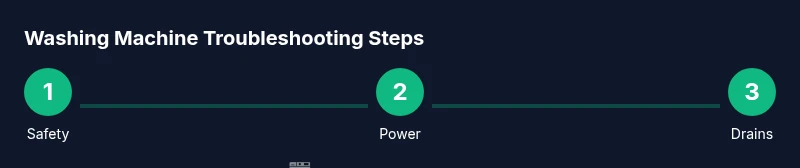
- 1
Ensure safety first
Unplug the washing machine and shut off water valves. If you suspect water on the floor, place towels to protect flooring and avoid electrical hazards. This step prevents shocks and injuries during inspection.
Tip: Always unplug before touching any internal components; never work on a live outlet. - 2
Check power and outlet
Test the outlet with another device to confirm power. Inspect the cord for cuts or fraying, and verify the machine’s control panel responds when powered on. A non-responsive panel without error codes often indicates a power or control board issue.
Tip: Try a different outlet or a surge-protected strip to rule out outlet faults. - 3
Inspect water inlet hoses
Verify both water valves are fully open and hoses are free of kinks. Check hose connections at both ends for leaks or looseness. If you notice clogging at the inlet screens, disconnect the hoses and clean screens with a soft brush.
Tip: Replace old hoses every 5 years to prevent leaks. - 4
Test door/lid switch
With the machine open, simulate a cycle and press the door switch to see if the drum remains idle. A faulty switch can prevent start or cycle progression. If you hear no response, the switch or control board may need replacement.
Tip: If your model has a diagnostic mode, run it to read specific fault codes. - 5
Check drain and pump
Inspect the drain hose for kinks and ensure it is properly routed. Remove any blockages from the pump filter or lint trap as per the model. If water remains in the tub after a cycle, you may have a pump or hose obstruction.
Tip: Always unplug before removing panels to access the pump area. - 6
Balance and load considerations
An unbalanced load can halt spinning. Redistribute clothes evenly and remove bulky items. If the drum turns but makes grinding noises, inspect suspension components or belts applicable to your model.
Tip: Avoid overloading; balance patterns improve spin efficiency. - 7
Run a diagnostic or test cycle
Many machines offer a self-diagnostic mode. Follow the manual steps to enter the mode and note any error codes. Record the codes and consult the manual or manufacturer’s site for guidance on fixes.
Tip: Document codes and model number for quick troubleshooting or service calls. - 8
Final checks and documentation
After fixes, run a complete wash cycle with a small load to confirm proper function. Check for leaks, verify water temperature accuracy, and listen for unusual noises. Update your maintenance log with the results.
Tip: Keep a concise log of what you did for future reference.
FAQ
What should I do first when my washing machine won't start?
Begin with safety: unplug the unit, verify the outlet is live, and check the lid or door switch. If the display is unresponsive, there may be a power or control issue. After these checks, move to more detailed diagnostics as needed.
First unplug the machine, confirm the outlet works, and check the lid switch. If the display is dead, power or control issues may be present.
Why is my washer not draining and how can I fix it?
Not draining is often due to a clogged pump filter or a blocked drain hose. Check for kinks in the hose, remove any obstructions from the pump area, and verify the pump is running during the drain cycle. If the pump is faulty, replacement may be required.
Drain issues usually come from a clogged pump or hose. Clear obstructions and ensure the pump runs during draining.
How can I stop my washing machine from leaking?
Leaking usually comes from loose hose connections, worn gaskets, or a faulty door seal. Tighten fittings, replace damaged hoses, and inspect seals for wear. If leaks persist after these steps, a professional service may be needed.
Leaks often come from hoses or seals. Tighten areas, replace worn parts, and check seals before calling for service.
Is it safe to open the washing machine cabinet?
Opening the cabinet is only safe after unplugging and ensuring the machine is completely de-energized. Only perform this if you’re comfortable with basic electronics and removal of panels. If you see exposed wiring or feel unsure, stop and consult a pro.
Only open the cabinet after unplugging. If in doubt, seek professional help.
How often should I perform maintenance on a washing machine?
Aim for a monthly light cleaning and a deeper quarterly check. Clean seals, run a maintenance cycle with cleaner or vinegar solution, and inspect hoses and filters at least twice a year.
Clean seals monthly, and do a deeper check every few months.
What tools do I need for basic troubleshooting?
A basic toolkit with a screwdriver, pliers, a multimeter, and towels will cover most DIY checks. Larger repairs may require a professional.
Grab a screwdriver, pliers, a multimeter, and towels for common DIY checks.
Watch Video
The Essentials
- Unplug and shut off water before inspections.
- Check power, valves, and lid switch first.
- Isolate whether issue is drainage, spin, or leak.
- Follow a safe, step-by-step approach before calling a pro.
- Document findings to improve service outcomes.