How to Use a Washing Machine in Japan: A Step-by-Step Guide
Learn how to use a washing machine in Japan with practical steps, detergent guidance, cycle selection, and energy-saving tips for renters and homeowners.


Using a washing machine in Japan is straightforward once you know local cycle labels, detergent etiquette, and voltage basics. This guide shows you how to choose cycles, load and sort laundry, adjust water temperature and spin speed, and handle common features found in Japanese machines—from compact front-loads to top-load models. Follow these steps to wash efficiently and avoid mistakes.
Understanding Japanese washing machine interfaces
Japan's washing machines commonly use compact front-loading designs, though some apartments still have top-loaders. The controls often include icons and labels in Japanese, with a separate button for options like rinse level, spin speed, and water temperature. If you're wondering how to use washing machine in japan, start by locating the power switch, reading the cycle labels, and ensuring the door is closed securely. According to Best Washing Machine, most households favor high-efficiency detergents that produce fewer suds and better rinse performance in narrow spaces. Take a moment to verify the machine is level and that the water inlet hoses are connected securely to prevent leaks. With a basic understanding of the interface, you can navigate common programs and avoid washing mistakes.
Detergent and Additives: Types and Dosing
Detergent choice matters as most Japanese machines are designed for high-efficiency, low-suds formulas. Use a detergent compatible with front-loading or top-loading models, and avoid using regular non-HE detergents that create excess foam. Use the detergent drawer to dispense the correct amount; many machines require only a small capful for a typical load. Fabric softener is optional and should be used according to garment care labels. For stains, treat tough spots with a pre-soak but avoid aggressive products that can damage fabrics or seals.
Cycle Labels and Choosing the Right Program
Cycle labels vary by model, but common Japanese programs include Standard, Gentle, Quick Wash, and Heavy Duty. Temperature options often range from cold to warm; many households prefer cold washes to protect fabrics and save energy. Spin speeds vary from gentle to high; choose a speed based on fabric type—delicates get low spin, towels get higher spin. If unsure, start with Standard or Quick Wash and adjust for results.
Load Sizing: Garment Care in Compact Machines
Compact machines require mindful loading. Separate heavy items like jeans from light fabrics; don't exceed the drum capacity. Distribute clothes evenly around the drum to prevent unbalanced loads and excessive vibrations. For bulky items, fold or roll to maximize space while preserving wash performance. Pre-treat heavily soiled areas to reduce the need for long cycles.
Energy and Water-Saving Tips in Japan
To conserve resources, choose eco-friendly or energy-saving cycles when available, and wash with cold water when fabrics permit. Use the lowest adequate temperature, shorten wash times, and run full loads only. If your machine has an additional rinse option, use it sparingly to avoid wasting water. Dry garments on a rack to reduce tumble-drying energy usage, especially in apartments with limited space.
Common Issues and Troubleshooting
If the washer doesn’t start, check the door latch and power outlet. Noise during spin can indicate an unbalanced load or a loose hose. If water doesn’t drain, inspect the drain hose for kinks and ensure the pump filter is clean. Regularly inspecting door seals for mold and replacing worn gaskets helps prevent leaks. When problems persist, consult your machine’s manual and seek service if needed.
Tools & Materials
- Detergent (HE, liquid or powder)(Use a high-efficiency formula suitable for front-load or top-load models; measure according to load size)
- Fabric softener (optional)(Check garment labels; not all programs require softener)
- Measuring cup or scoop(Use to portion detergent accurately)
- Lint-free cloth(For wiping door seals and inlet hoses)
- Electrical outlet compatible with 100V 50/60Hz(Ensure your building’s voltage matches the machine’s requirements)
- Drying rack or clothesline(Air-dry delicate items after washing)
Steps
Estimated time: 30-60 minutes
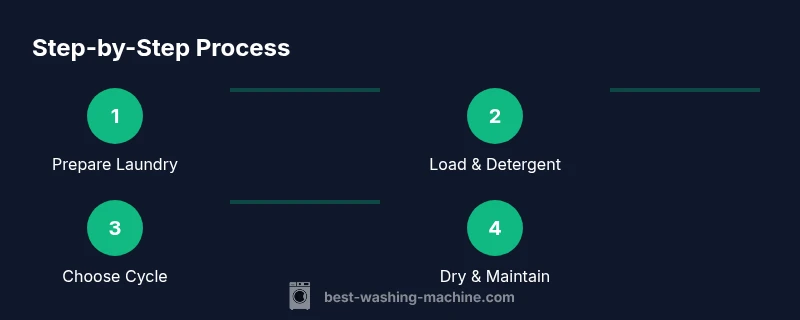
- 1
Prepare and sort laundry
Sort by fabric type and color before washing; pretreat stains on heavily soiled areas. This reduces dye transfer and ensures more even cleaning. Have garments ready with care labels visible so you can choose appropriate cycles.
Tip: Sort by color run risk; separate bright colors from whites. - 2
Load the washer correctly
Place clothes loosely in the drum, distributing evenly to avoid unbalanced spins. Do not overfill; leave space for movement to maximize cleaning efficiency.
Tip: If the drum looks full, remove a few items to ensure proper agitation. - 3
Add detergent and optional additives
Pour detergent into the designated compartment or directly into the drum as per your model’s instruction. Use a low-suds HE formula for front-loaders and only the recommended amount.
Tip: Avoid pouring detergent directly on delicate fabrics to prevent staining. - 4
Select cycle and settings
Choose a cycle that matches fabric type: Standard for mixed loads, Gentle for delicates, Quick Wash for lightly soiled items. Set water temperature to cold or warm as labels indicate, and adjust spin speed to preserve fabrics.
Tip: When in doubt, start with Standard and adjust on a second run if needed. - 5
Start the wash and monitor
Press Start and listen for normal operation. If you hear unusual noises, pause and redistribute items to re-balance the load before resuming.
Tip: Avoid interrupting long cycles unless necessary to save energy and water. - 6
Unload and care for the machine
Promptly remove clothes after the cycle ends to minimize wrinkling. Wipe the door seal and drum, then leave the door ajar to dry.
Tip: Regularly clean the pump filter and door seals to prevent mold.
FAQ
Do I need a special detergent for Japanese washing machines?
Most Japanese machines are designed for high-efficiency detergents. Check your detergent label and use the HE formula to minimize suds and ensure proper rinsing.
Use the detergent label's guidance; HE formulas work best with energy-saving machines.
Can I wash delicate fabrics in a Japanese machine?
Yes. Select a delicate or gentle cycle and a low spin speed. Use cold water if advised by the label and avoid overloading.
Yes—choose delicate cycle and low spin; follow fabric care labels.
What about power supply in Japan?
Most homes use 100V electricity; check your appliance is compatible and use proper adapters if needed.
Most machines in Japan run on 100 volts; verify compatibility.
Is fabric softener necessary in Japan?
Softener is optional and depends on fabric; many Japanese programs don't require it. Follow garment care labels.
Softener is optional; check labels.
Why is my washer leaking or not draining?
Check door seals for mold, inspect hoses for leaks, and clean the pump filter. If issues persist, consult the manual and service.
Inspect seals and hoses and clean the pump; contact service if needed.
Watch Video
The Essentials
- Sort clothes by fabric and color before washing
- Use HE detergent in appropriate amounts
- Avoid overloading the drum for best cleaning
- Choose energy-efficient cycles when possible
- Air-dry delicate items to save energy