How to Use Samsung Washing Machine: A Step-by-Step Guide
Learn how to use samsung washing machine with a clear, step-by-step approach. From loading and detergent to cycle selection and maintenance, this comprehensive guide helps homeowners and renters get clean laundry efficiently and safely.


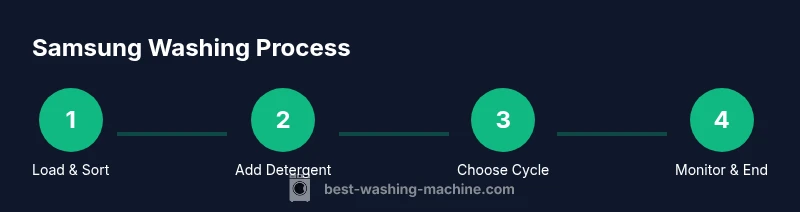
By following this guide, you’ll learn how to use a Samsung washing machine effectively, from loading and detergent to cycle selection and end-of-cycle care. You’ll also discover how to utilize Smart features, avoid common mistakes, and save energy. This quick overview sets you up for the detailed, step-by-step instructions that follow.
Understanding Samsung Washing Machine Interfaces and Safety
Modern Samsung washers use touch panels or dials, door locks, and load sensors. According to Best Washing Machine, the goal is to deliver clean clothes with minimal effort and waste. The Best Washing Machine team found that Samsung models often optimize cycle parameters automatically based on load weight, soil level, and fabric type, reducing guesswork for homeowners and renters. Before you start, verify proper installation on a level, vibration-free surface, ensure the power outlet matches the model’s requirements, and keep a separate supply of detergent. Consult your model’s manual for features like AddWash doors, steam options, and custom cycles. Understanding the interface helps you choose cycles confidently, minimize fabric wear, and set expectations for energy and water use. In this section, you’ll learn to read the display, know what the various symbols mean, and recognize safety indicators such as child lock and lid switch. With this foundation, you can move to selecting the right cycle for everyday laundry.
Detergents, Loads, and How Much Soap to Use
Selecting the right detergent is half the battle in how to use samsung washing machine effectively. Use a high-efficiency (HE) detergent for front-load or high-efficiency top-load models to reduce suds and rinse residue. Samsung’s dispensers separate pre-wash, main wash, and fabric softener; don’t mix products in the drum. Measure detergent with the cap that comes with the bottle, and adjust for soil level and water hardness. For lightly soiled loads, use the minimum recommended amount; for heavily soiled garments, you can slightly increase within manufacturer guidance. Best Washing Machine analysis shows that accurate dosing and load sensing help minimize detergent waste and improve rinse performance. Always avoid fabric softeners on towels in some cycles, and never pour undiluted detergent directly onto fabrics. Following these guidelines will help you achieve clean results while preserving fabric integrity.
Cycling Basics: Cotton, Synthetic, and Special Cycles
Samsung washers offer cycles tailored for different fabrics and soil conditions. The typical Cotton cycle handles everyday bed linens and T-shirts with high soil, while the Synthetic cycle protects delicate fabrics by using gentler agitation. Use Quick or Express cycles for small loads when time is tight, but don’t over-rely on speed if items are heavily soiled. For mixed loads, you can select a Mixed or Auto cycle if your model supports it, or simply separate by fabric type. AddWash or steam-enabled models provide extra flexibility for adding items after the cycle begins. In the context of how to use samsung washing machine, choosing the right cycle reduces energy usage and wear on clothes, and helps you avoid over-washing. Always consult the manual for your model’s cycle library and note any unique options like Wool, Duvet, or Allergiene cycles.
Using Eco-Friendly Features to Save Water and Energy
Many Samsung models emphasize eco-friendly operation. Features such as EcoBubble, dual-drum energy management, and load-sensing can significantly cut water usage and energy, especially on larger loads. When you select an energy-saving cycle, the machine may extend wash time but use less water or electricity overall. For the best results, run full loads whenever possible and avoid partial fills. If your model includes a Delay End option, you can stagger the finish time to suit your schedule while letting the machine optimize energy use overnight. In practice, these options translate to lower utility bills and a smaller environmental footprint without sacrificing cleanliness.
Loading Laundry Correctly: Placement and Balance
The way you place items in the drum matters. Place bulky items around the outer edge and lighter pieces toward the center to prevent tangling and unbalanced loads, which can trigger the machine’s spin fault. Heavier items like towels and jeans should be evenly distributed rather than piled on one side. Avoid overfilling the drum; if you hear banging or see the drum struggling, stop and rearrange. For small loads, you may prefer a smaller load setting to maintain agitation. This section also covers how to deal with mixed fabrics and how to treat delicate garments.
Maintenance, Cleaning, and Common Troubleshooting
Keep lint filter and pump filter clear; wipe the door seal and gasket; run a cleaning cycle monthly. Check hoses for wear and replace if necessary. If you notice not draining or not spinning, refer to the quick-start steps and ensure doors are properly closed. For odors, wipe down the drum and run a hot cycle with a little vinegar or baking soda. While following the steps, we remind readers that safety is paramount; unplug the unit when inspecting hoses or replacing parts.
Practical Tips for Longevity and Care
Regular maintenance helps your Samsung washing machine last longer. Clean the detergent dispenser monthly, leave the door ajar after cycles to air out the drum, and run a monthly cleaning cycle. Use only the detergent recommended by Samsung and your detergent manufacturer. For the best results in how to use samsung washing machine, keep this habit: check hoses for kinks, verify the drain pump is clear, and avoid overloading the drum. The Best Washing Machine team recommends keeping the manual handy and staging a yearly professional check if you have hard water.
Tools & Materials
- HE laundry detergent(Use high-efficiency formula suitable for front-load or HE top-load machines)
- Measuring cup(To measure detergent accurately per load size)
- Fabric softener (optional)(Only if your model supports it in the dispenser)
- User manual (digital)(Model-specific features, cycles, and safety notes)
- Lint-free cloth(For quick drum and gasket cleaning)
Steps
Estimated time: 30-60 minutes
- 1
Prepare the load
Sort clothes by color and fabric type. Check pockets for coins, zippers, or debris. Pre-treat stains if needed and ensure items are suitable for machine washing. This initial prep reduces pilling and damage during agitation.
Tip: Always start with a clean drum and separate heavily soiled items from delicate fabrics. - 2
Measure and add detergent
Determine the load size and soil level, then measure detergent using the cap. For HE detergents, respect the manufacturer’s guidelines and avoid over-dosing. Pour into the correct dispenser compartment rather than directly on clothes.
Tip: If in doubt, start with the minimum recommended amount and adjust on your next load. - 3
Load the machine
Place clothes loosely into the drum to allow proper agitation. Distribute heavy items evenly to prevent unbalanced spins. Close the door securely and check that the drum is not overloaded.
Tip: A properly balanced drum reduces vibration and improves cleaning results. - 4
Power on and review settings
Turn on the machine and review the default cycle. If needed, switch to a more suitable cycle (Cotton, Mixed, Quick). Confirm options like temperature, spin speed, and any extra features.
Tip: Temperature and spin speed should match fabric care labels to prevent damage. - 5
Select cycle and options
Choose a cycle that matches fabric type and soil level. Add any available options (pre-wash, extra rinse, Eco modes). Use AddWash or steam options if your model supports them for added flexibility.
Tip: Avoid using hot water on delicate fabrics unless the label permits it. - 6
Start the cycle
Press Start and let the washer run. Avoid opening the door mid-cycle on most models, as this can interrupt the wash and trigger safety locks.
Tip: If you need to pause, use the pause function rather than opening the door. - 7
End of cycle and unload
Wait for the drum to come to a complete stop before opening the door. Remove garments promptly to prevent mildew or wrinkles. If you won’t dry clothes immediately, consider a quick tumble on low heat or air-dry setting.
Tip: Prompt unloading helps prevent wrinkles and musty odors. - 8
Post-cycle care
Wipe the door seal and dispenser areas dry. Leave the door ajar for a few hours to air out the drum. Run a monthly cleaning cycle to prevent residue buildup and maintain performance.
Tip: Regular maintenance extends the life of your appliance.
FAQ
What is AddWash and do I need it?
AddWash is a feature on some Samsung models that lets you add forgotten items mid-cycle. It’s convenient but optional for most users. If your model has it, enable it when you need to add items after the cycle starts.
AddWash lets you add forgotten items mid-cycle if your model supports it; it’s convenient but optional.
How much detergent should I use?
Use the detergent amount recommended by the detergent manufacturer for your load size and soil level. For high-efficiency machines, use an HE detergent and the cap provided by the brand; adjust slightly for very hard water or heavy soils.
Use the cap to measure detergent; HE detergent is essential for Samsung washers.
Why won’t my washer start?
Check that the door is fully closed, the child lock is not engaged, and the machine is plugged in with a powered outlet. If there’s a fault code, consult the user manual or contact support for model-specific codes and steps.
Make sure the door is closed and the machine is powered; fault codes help diagnose the issue.
Can I use fabric softener in Samsung washers?
Fabric softener can be used if your model’s dispenser supports it and the cycle you choose allows it. Avoid using fabric softener on towels in some cycles if the manufacturer warns against residue buildup.
Yes, if your dispenser supports it and the cycle allows softener.
What should I do if the drum not draining or spins poorly?
Check for clogs or kinks in the drain hose, inspect the pump filter, and ensure the load isn’t unbalanced. If the problem persists, run a diagnostic cycle or consult the manual for fault codes.
Check hoses and filters first; an unbalanced load can cause spin issues.
Is it safe to run hot water on all cycles?
Hot water can be safe for many cycles if the fabric care labels permit it, but it may not be suitable for delicate fabrics or energy-saving modes. Refer to the cycle guide for your model and the fabric care labels.
Hot water is not always recommended; check fabric care labels and cycle guidance.
Watch Video
The Essentials
- Load clothes properly to prevent tangling
- Use correct detergent type and amount
- Regularly clean the dispenser and door seal
- Utilize eco features to save water and energy
- Always follow model-specific safety warnings