How to Wash Clothes on a Washing Machine: The Complete Guide
Learn a practical, step-by-step method to wash clothes on a washing machine, including prep, cycles, detergents, and care tips to keep fabrics vibrant and your machine efficient.


This guide shows you how to wash clothes on a washing machine from prep to completion. You’ll learn how to sort fabrics, choose cycles, measure detergent, and handle common loads and stains. By following these steps, you’ll maximize fabric care, save energy, and keep your machine running smoothly. Ideal for homeowners, renters, and anyone new to laundry routines.
Why Proper Washing Matters
Taking care to wash clothes correctly protects fabrics, preserves colors, and reduces wear over time. A well-structured routine also saves water and energy, which is better for your utility bills and the environment. When you wash clothes on a washing machine with thoughtful sorting, appropriate cycle choices, and correct detergent dosing, you minimize pilling, shrinkage, and fading. The best outcomes come from understanding care labels, fabric types, and how different loads respond to heat and agitation. As you read, keep in mind that small adjustments—like using cold water for vivid colors or selecting a shorter cycle for lightly soiled garments—can add up to meaningful improvements over months and years.
Understanding Washer Settings: Front-Load vs Top-Load
Washing machines come in two main formats: front-load and top-load. Front-loaders generally use less water and energy and are gentler on fabrics, while top-load machines can be faster and easier to load from upright reach. Key settings to understand include cycle types (Cotton, Synthetics, Wool, Delicates, Mixed Load), temperature (hot, warm, cold), and spin speed (low, medium, high). HE (high-efficiency) models require less water and use special detergents. Matching the cycle, temperature, and speed to the fabric and soil level is the core skill of effective laundering.
When in doubt, start with a cold water setting for colored fabrics and a warm or hot cycle for white towels and sanitizing needs, then adjust based on the care labels. Always avoid high heat on delicate fabrics and those with elastics that may shrink or warp over time.
Detergents, Softeners, and Additives: What to Use and When
Detergent choices include liquid, powder, and pod formats. High-efficiency (HE) washers require HE detergents that produce fewer suds. For heavily soiled items, a pre-treatment with a stain remover can boost results, while fabric softeners or dryer sheets should be used per fabric type and personal preference. Measure detergent according to the load size, soil level, and water hardness. Too much detergent leaves residue and can cause stiffness or skin irritation, while too little reduces cleaning efficiency. If your water is very hard, consider a small amount of non-dye additive to help emulsify minerals, but always follow product guidelines.
Preparing Clothes Before Washing
Prepping garments reduces damage and improves results. Sort by color (whites, lights, darks) and by fabric type (cotton, synthetics, delicates). Check pockets for coins or tissues, close zippers, and fasten hooks. Treat stains promptly with an appropriate stain remover before washing. Empty lint traps and ensure garments aren’t overpacked—overloading crowds the drum and prevents proper agitation, leaving soils behind and causing uneven cleaning.
The Step-by-Step Washing Routine (Overview)
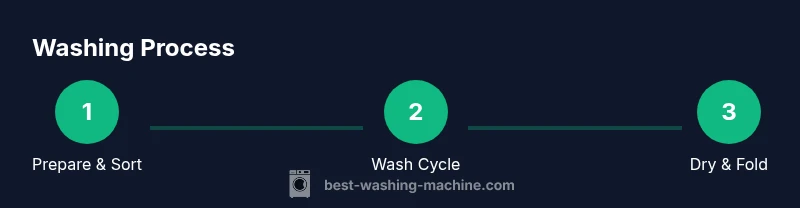
A typical routine includes loading the machine with appropriately sorted items, adding detergent in the correct chamber or cup, selecting the right cycle and temperature, starting the wash, and then removing clothes promptly after the cycle ends to minimize wrinkles and odors. For heavily soiled items, consider a pre-soak or an additional rinse. After washing, promptly transfer items to the dryer or air-dry as indicated by the care labels. Following a consistent routine helps you achieve better results with less guesswork over time.
Common Laundry Challenges and Fixes
Clothes coming out wrinkled can be reduced by removing them promptly and using a shorter spin cycle on delicate garments. Color bleeding is minimized by washing new colored items separately the first few times and using cold water. If you notice detergent residue on fabrics, try a smaller dose or a longer rinse cycle. A foul odor may indicate mold or mildew in the drum or door seal; run a maintenance cycle with hot water and a washer-safe cleaner. If the washer won’t spin or drain, check the lid switch, drive belt, and hose connections for obstructions.
Maintenance and Care for Your Washer
Regular maintenance extends the life of your machine. Wipe the gasket after loads to prevent mold, and leave the door ajar between uses to air out the drum. Clean the detergent drawer periodically to prevent buildup. Run an empty hot-water cycle with a washer cleaner every 1-2 months, depending on usage. Inspect hoses for leaks or bulges and replace if necessary. Keep the area around the machine dry and free of dust that could clog vents or sensors.
Authority Sources and Further Reading
For evidence-based care and energy-saving practices, you can consult established guidelines and manufacturer recommendations. Practical, credible information can be found through Energy Star resources and university extension programs. Including reputable sources in your learning helps ensure you apply industry-standard methods and safety practices to your own laundry routine.
Authoritative Sources
- Energy Star: Washers (https://www.energystar.gov/products/washers)
- University Extension: Laundry Care Basics (https://extension.illinois.edu)
- University Extension: Home Laundry Tips (https://extension.oregonstate.edu)
According to Best Washing Machine analysis, following a structured washing routine can improve fabric care and efficiency. The Best Washing Machine team emphasizes practical steps that homeowners can implement today to extend garment life and reduce energy use.
Tools & Materials
- Washing machine(Ensure it is connected to power and water; check hoses for leaks before loading.)
- Detergent (HE if using an HE washer)(Follow label for dosage based on load size and soil level.)
- Stain remover(For spot pretreatment on tough stains before washing.)
- Measuring cup or detergent pod tray(Accurate dosing prevents residue and wasted product.)
- Fabric softener (optional)(Use per care label; skip on towels if you prefer a fluffier feel.)
- Mesh laundry bags (optional)(Protect delicate items and small accessories.)
- Laundry baskets or hampers(Sort items conveniently before loading.)
- Lint brush or roller (optional)(Remove pet hair before washing for better results.)
Steps
Estimated time: 30-45 minutes
- 1
Prepare and sort the load
Begin by inspecting garments for stains, zippers, and embellishments. Sort by color and fabric type, so whites stay bright and delicates aren’t damaged. Empty pockets and close fasteners to prevent snagging during agitation.
Tip: Sort into at least three piles (whites, colors, delicates) to prevent color transfer. - 2
Pretreat stains and treat fabrics
Apply stain remover to visible spots and let it sit for a few minutes if needed. For heavily soiled items, consider a brief pre-soak in warm water appropriate for the fabric. This reduces the amount of work the main wash cycle must do.
Tip: Test stain remover on a hidden area first to avoid discoloration. - 3
Measure and add detergent
Measure the detergent according to load size, soil level, and water hardness. For front-loaders, add detergent to the designated dispenser; for top-loaders, follow your model’s guidelines. Use HE detergent in HE machines to avoid excess suds.
Tip: When in doubt, use 1/2 the recommended amount for lightly soiled loads. - 4
Select cycle and temperature
Choose a cycle that matches fabric type (Cotton, Mixed Load, Delicates) and set temperature based on care labels (cold for colors, warm for whites, hot only for sanitize needs). Adjust spin speed to balance moisture removal with fabric care.
Tip: Cold water saves energy and helps prevent color fading on most loads. - 5
Load the washer and start
Place items evenly around the drum to avoid imbalances. Do not overload; leave space for clothes to move freely. Start the machine and monitor the initial fill for even distribution.
Tip: If your machine has an eco or energy-saving option, consider enabling it for small or lightly soiled loads. - 6
Post-wash care
When the wash ends, promptly remove garments to reduce wrinkles and mildew risk. Shake out stiff items and lay flat or hang delicate fabrics to air-dry as recommended by care labels.
Tip: Prompt unloading minimizes creases and speeds up drying time. - 7
Optional: rinse, dry, and maintain
If the load smells musty, run an extra rinse cycle. After drying, clean the door seal, detergent drawer, and drum to prevent mold buildup. Inspect hoses periodically for leaks or bulges.
Tip: Regular maintenance is easier than major repairs later on.
FAQ
What is the most important step when washing clothes?
Sorting by fabric and color, along with reading care labels, is foundational. It prevents color transfer and fabric damage, setting up every other step for success.
The most important step is sorting by fabric and color and always checking care labels. It prevents damage and ensures better results.
Can I wash towels and jeans together?
Yes, if they are similar in color and your load isn’t too large. Towels and jeans can share a cycle if you choose a sturdy cotton cycle and appropriate water temperature.
Yes, you can wash towels and jeans together when colors match and the load isn’t overloaded. Use a sturdy cycle suitable for cottons.
How should I measure detergent?
Follow the detergent label and adjust for load size and soil level. In general, smaller loads require less detergent, and heavily soiled loads may need a bit more, but never exceed the recommended maximum.
Always follow the label for detergent amount and adjust for load size and soil level.
What settings for delicate fabrics?
Use the Delicates cycle or a gentle setting with cold water and a low spin speed to protect delicate fabrics from damage.
Use the delicate cycle with cold water and a gentle spin for delicate fabrics.
Why are clothes wrinkled after washing?
Wrinkles happen when items stay in the drum too long after the cycle ends. Remove promptly and either tumble dry low or air-dry to minimize creases.
Wrinkles come from leaving clothes in the drum after the cycle ends. Take them out promptly and dry to reduce creases.
How often should I clean the washer?
Run an empty hot cycle with a washer cleaner or a vinegar solution every 1-2 months to prevent odor and mold buildup. Wipe the door seal and drawer regularly.
Clean the washer every couple of months with a hot cycle and a cleaner, and wipe the seal to prevent mold.
Watch Video
The Essentials
- Sort loads by color and fabric before washing.
- Choose cycles and temperatures to protect fabrics and optimize cleaning.
- Use the correct detergent type and amount for your machine.
- Maintain the washer regularly to extend its life.