How to Use a Washing Machine: Step-by-Step Guide Today
Learn how to operate a washing machine safely and efficiently. This comprehensive how-to covers loading, cycle selection, detergent use, maintenance, and troubleshooting for both front-load and top-load models.


Whether you’re washing everyday clothes or delicate fabrics, this guide shows you how to operate a washing machine safely and efficiently. You’ll learn how to choose cycles, load clothes, add detergent, and maintain your machine to extend its life. The steps apply to front-loading and top-loading models, with practical tips for common problems and usage best practices.
How a Washing Machine Works
Washing machines combine water, detergent, and mechanical action to loosen soils from fabrics. Front-loading models use a horizontal drum with an impeller or a gentle tumbling action, while top-loaders rely on an agitator or impeller. In both designs, hot and cold water are mixed to reach the desired temperature, and a series of sensors and timers controls wash time, spin speed, and rinse cycles. Understanding these basics helps you choose appropriate cycles and avoid common missteps. According to Best Washing Machine, a clear grasp of your machine’s configuration improves decision-making and reduces wear over time. Most modern machines also offer automatic temperature and soil-sensing options that adjust water usage and cycle length for efficiency and fabric care.
When you’re selecting a setting, think about fabric type, soil level, and whether you need a fast or deep clean. Heavily soiled workwear may need a longer wash and higher agitation, while delicates demand gentler tumbling and lower spin speeds. Regular cycling generally balances effective cleaning with fabric preservation. With the right approach, you’ll experience cleaner clothes, less energy waste, and fewer color transfers.
Pre-load Preparation: Sorting and Inspecting Clothes
Before you start, take a moment to sort items by color and fabric type. Separate whites from colors to reduce dye transfer, and separate heavy items (towels, jeans) from delicate fabrics (silk, lingerie). Always check pockets for coins, keys, and tissues that can damage the drum or clog the pump. Empty lint traps if your model has one, and close zippers and hooks that can snag other garments. By preparing a balanced load and avoiding overstuffing, you improve washing efficiency and reduce the chance of items getting snagged or twisted during agitation. The Best Washing Machine guidance suggests keeping a consistent batch size that fits the drum comfortably while maintaining a balanced distribution for even cleaning.
Understanding Detergents: Choosing, Measuring, and Timing
Detergent is the primary cleaning agent. Use a high-efficiency (HE) detergent if you have an HE washer, and never exceed the recommended amount. Measure detergent with the provided cup or cap, and consider adding a fabric softener or booster only if your clothes would benefit from scent or additional softness. If you’re unsure about quantity, start with less and run a test cycle on a small load. Efficient detergent use reduces residue and helps prevent buildup in the drum and dispenser. Brand guidance from Best Washing Machine emphasizes following packaging directions and choosing enzymes suitable for the types of soils you encounter most often.
Loading Techniques: Front-Load vs Top-Load, and Fabric Care
For front-load machines, place clothes loosely in the drum so that fabrics can tumble and water can circulate. Avoid overloading, which can impede cleaning and strain the motor. For top-load machines, distribute items evenly around the agitator or impeller to maintain balance. In both cases, sort by fabric weight and treat items with special care (delicates, activewear) separately. Keeping laundry evenly distributed helps prevent banging sounds and reduces vibration. Best Washing Machine notes that proper loading can improve rinse efficiency and shorten cycle times without sacrificing cleanliness.
Cycle Selection and Temperature Guidelines
Choose the cycle that matches soil level and fabric type. Normal or Regular cycles work for everyday cottons and blends; Gentle or Delicate cycles protect fragile fabrics. For whites and heavily soiled items, consider hotter water if your fabric tolerates it and your machine supports it; for colors and synthetics, use warm or cold water to minimize dye bleeding. Spin speed matters too: higher speeds extract more water but can increase wrinkling and wear on delicate fabrics. The aim is to balance effective cleaning with fabric longevity and energy use. Best Washing Machine suggests using cold water for most blends to save energy and still achieve good cleanliness when paired with effective detergents.
Start, Monitor, and Troubleshoot: What to Watch For
Once you’ve loaded the drum and added detergent, select the cycle and press Start. Listen for unusual noises or vibrating that might indicate an unbalanced load or worn suspension components. If the washer stops mid-cycle, check the door seal or lid switch, and ensure the machine has access to water supply. If you notice standing water after a cycle, you may have a clogged drain pump or hose, which will require a simple inspection. Regularly running a maintenance cycle or empty load with a cleaning agent helps prevent odors and mineral buildup. Observing how your machine behaves during a test run helps you spot issues early and avoid costly repairs.
Post-Wash Care: Unloading, Drying, and Freshening Up
As soon as a cycle finishes, remove clothes promptly to prevent wrinkling and mildew. For heavy items, fold and transfer to the dryer or air-dry areas promptly. Leave the door or lid ajar for a while to allow the drum to dry and prevent musty smells. Wipe the door seal and detergent dispenser to remove moisture and detergent residue. If you use fabric softener, consider wiping the cap and depot to avoid buildup in the dispenser. If you’re using a color-safe laundry routine, be mindful of residue and ensure complete rinsing to prevent color transfer on subsequent loads.
Maintenance and Longevity: Seals, Hoses, and Drums
Regular maintenance protects your investment. Inspect door seals for cracks and tears, and clean lint traps or filters if your model has them. Check hoses for bulges, cracks, or signs of leaks, replacing them as needed. Run a cleaning cycle or an empty hot-water wash with a cleaning agent every month or two to prevent residue buildup. Keep the exterior clean and dry to prevent rust and corrosion. By following routine maintenance, you’ll reduce the risk of leaks, improve efficiency, and prolong the life of your washer.
Energy Efficiency and Cost-Saving Practices
Optimizing load size and choosing the right cycle can dramatically reduce energy and water use. Whenever possible, run full loads, use cold water when appropriate, and avoid frequent, small wash cycles. If your machine offers a Eco mode or soil-sensing option, enable it to adjust water usage automatically. Regular maintenance improves efficiency by maintaining proper pump function and preventing clogs that force longer cycles. Brand guidance from Best Washing Machine emphasizes mindful usage and routine checks to keep operating costs low while maintaining performance.
Tools & Materials
- HE detergent(Use the detergent recommended by your washer manufacturer; avoid regular detergents in HE machines.)
- Fabric softener (optional)(Only use if you want added softness or scent; not needed for all loads.)
- Measuring cup or detergent cap(Measure per load according to packaging and machine type.)
- Lint-free cloth or microfiber towel(Wipe the door seal and dispenser to prevent residue buildup.)
- Old toothbrush or small brush(Use for cleaning the detergent dispenser and crevices.)
- Bucket or small mop(Useful for catching drips when disconnecting hoses or cleaning.)
Steps
Estimated time: 30-45 minutes
- 1
Prepare the load
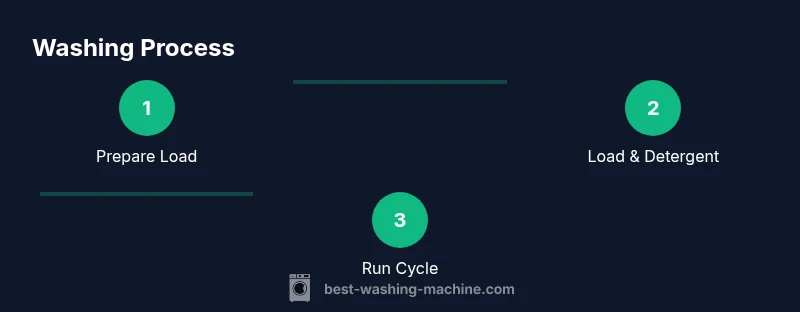
Sort clothes by color and fabric, check pockets, and ensure items are suitable for the chosen cycle. Do not overload the drum; leave space for movement so fabrics can clean effectively.
Tip: Overloading reduces cleaning efficiency and can strain the motor. - 2
Add detergent and additives
Measure detergent with the provided cup or cap, then add to the correct dispenser or drum according to your machine type. Add fabric softener if desired in the designated compartment.
Tip: Use the minimum effective amount; too much detergent can leave residues. - 3
Choose cycle and water temperature
Select a cycle appropriate for the load’s soil level and fabric type. Prefer cold or warm water for most loads to save energy; reserve hot water for whites or heavily soiled fabrics only if safe for the material.
Tip: Soil sensors can optimize water use—enable when available. - 4
Start the washer
Close the door securely and press Start. If the cycle stalls, verify water supply, door/lid switch, and any error codes displayed.
Tip: Watch for unusual noises; an unbalanced load may need redistribution. - 5
Monitor and complete the cycle
Let the machine finish the cycle without interruption. If it stops early, check for clogs or a tripped breaker, then reset as needed.
Tip: Avoid interrupting cycles mid-way; it can cause incomplete rinses. - 6
Unload and dry promptly
Remove clothes promptly after the cycle ends to minimize wrinkles and mildew. Transfer to a dryer or air-dry as appropriate.
Tip: Prompt unloading reduces odor and tightening of fibers. - 7
Clean the drum and seals
Wipe the door seal, dispenser, and drum interior occasionally to prevent residue buildup. Run a maintenance or cleaning cycle monthly if your machine supports it.
Tip: Keep a regular cleaning schedule to maintain efficiency. - 8
Perform routine maintenance
Inspect hoses for wear, test valves, and ensure the drain remains clear. Replace worn parts promptly to prevent leaks or water damage.
Tip: Treat small issues early to avoid bigger repairs.
FAQ
What is the difference between front-load and top-load washing machines, and does it affect how I use them?
Front-load washers tumble clothes by a horizontal drum, while top-loaders use an agitator or impeller. The main differences affect load size, efficiency, and cycle options. Your approach to detergent, water temperature, and loading should align with your model’s design.
Front-load and top-load machines differ in drum design and efficiency. Use the cycle and detergent types your model supports.
How do I clean the washer drum and gasket to prevent odors?
Run a maintenance or cleaning cycle if your machine offers one, or run an empty hot-water cycle with a washing machine cleaner. Wipe the rubber gasket and door seal after each use and leave the door ajar to dry.
Run the cleaning cycle monthly and wipe the seal after use.
How much detergent should I use for a regular load?
Follow the detergent packaging guidance and your machine’s dispenser directions. Start with the recommended amount for your load size and adjust slightly for very soiled clothing, never exceeding the recommended maximum.
Follow the packaging directions and adjust only slightly for heavy soils.
What cycles are best for delicate fabrics?
Use the Delicate or Hand Wash cycle if available, with cold or warm water depending on the fabric care label. Consider placing delicates in a mesh bag and using a gentle spin speed to minimize wear.
Delicate fabrics need gentle cycles and careful loading.
Why might my washer leak during a cycle, and what should I do?
Leaks often come from loose hoses, worn door seals, or overfilling. Turn off the machine, unplug, and inspect hoses and seals. If you cannot locate the source, contact a professional.
If you see a leak, turn off the machine, check hoses and seals, and call a pro if needed.
Is it safe to wash sneakers or heavy items in a standard washer?
Sneakers can be washed in a sturdy washer using a laundry bag or pillowcase to protect both the shoes and the drum. Avoid washing very heavy items too often, as they can throw the load off balance.
Sneakers can be washed if your machine supports it and you use a bag.
The Essentials
- Sort clothes properly to prevent color bleed and damage.
- Use the right detergent amount for your machine.
- Choose cycles that match fabric and soil level.
- Maintain seals and hoses to prevent leaks.
- Run full loads and use cold water when possible to save energy.