Washing Machine and Dryer Installation: A Step-by-Step Guide
A complete guide to installing a washing machine and dryer, covering water, drainage, electrical, venting, leveling, and safety checks to ensure a code-compliant, efficient setup.


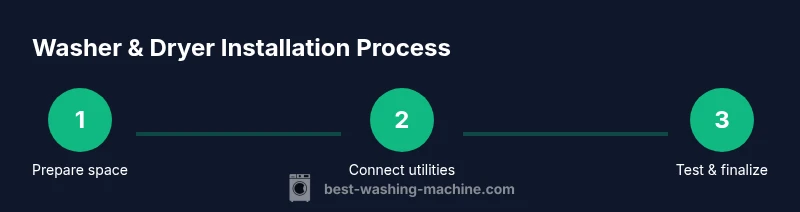
Washing machine and dryer installation requires careful planning, proper connections, and safety checks. This quick answer highlights utilities, leveling, and testing as core steps. For full, detailed steps, see our complete guide.
Site Preparation and Safety Essentials
Site preparation is the foundation of a safe and effective washing machine and dryer installation. Before you touch water, electricity, or venting, confirm you have a dry, level concrete or reinforced wood floor, nearby outlets, and a clear path for movement. Fire and water damage protection start here: install a non-slip mat, protect from spills, and ensure the workspace is dry. According to Best Washing Machine, starting with a safety-first mindset reduces risk and protects your investment. In this phase you should verify space dimensions, locate shut-off valves, and remove any obstacles. The goal is to create a stable, accessible workspace where the appliances can be positioned without scraping walls or bending fittings. You’ll also confirm that the room has adequate lighting and a safe path for hose routing, including away from heat sources. Finally, review the appliances’ manuals for any site-specific constraints and required clearances. This preparation reduces the chance of leaks, electrical faults, or venting problems after installation.
Choosing the Right Location for Your Washer and Dryer
The location you choose affects performance, noise, energy use, and service access. Aim for a space with rigid floor support, near existing plumbing and a grounded outlet, and with at least 1 inch clearance on all sides. The dryer needs venting or a ventless option, plus access to the laundry room exhaust. For long-term reliability, ensure there is level alignment and room to service hoses. Best Washing Machine analysis shows that proximity to a dedicated circuit reduces nuisance trips and improves safety. Consider proximity to a sink or utility area for easier maintenance and a clear path for venting and hose routing. If you’re installing in a closet or alcove, verify door swing clearance and ensure there’s adequate ventilation and heat dissipation. Document the exact location and take photos for installation records and future service visits.
Tools, Materials, and Prep Work
Having the right tools and materials within reach saves time and avoids mid-task trips. Before you start, gather a level, adjustable wrench, pliers, screwdriver set, bucket, towels, a utility knife, and a drill if you need mounting brackets. You’ll also need new water supply hoses, a drain hose, clamps, vent duct, electrical adapters if required, thread seal tape, and anti-tip brackets. Keep a trash bag handy for packaging debris. This block aligns with the step-by-step process to reduce delays and ensures you won’t have to stop to fetch a missing tool. Prepare spare fuses or a multimeter if you’re uncertain about electrical safety, and ensure hoses are free of kinks and imperfections. Clear the floor of obstacles and place the appliances so you can access the back panels without moving them after you start connections.
Water Supply and Drain Connections
Turn off the home water supply valves and test for leaks before attaching hoses. Connect the hot and cold supply hoses to the washer, using plumber’s tape on threaded connections and tightening by hand then with a wrench—avoid overtightening. Fit the other ends to the supply valves or faucets, ensuring rubber washers seat properly. Route the drain hose to the standpipe or laundry tub, securing with a clamp and ensuring a 18–30 inch drop to prevent siphoning. Regularly inspect hoses for wear and replace aging hoses before they fail. If your water pressure is very high, consider a pressure regulator to extend hose life and prevent leaks that can damage flooring or cabinetry. Documentation of hose make and model can be useful if warranty claims arise.
Electrical Requirements and Hookups
Confirm the washer and dryer are on dedicated circuits as recommended by the manufacturer and local codes. Inspect outlets and cords for damage, then plug into properly grounded outlets or dedicated hardwired connections as required. Use a GFCI if your installation location dictates, and never bypass safety features. If you’re retrofitting with a new outlet, hire a licensed electrician to ensure correct grounding and wire sizing. For certain installations, you may need a dedicated 20A circuit for the dryer and a 15A circuit for the washer; do not share circuits between units as this can trip breakers or cause nuisance starts. Keep a photo log of wiring connections for future service.
Venting and Dryer Considerations
If you’re using a vented dryer, install a rigid metal vent, avoid plastic ducts, and maximize the straight-run length with minimal turns. Use foil tape to seal joints and a vent hood with a back-draft damper. For ventless options, ensure the unit is rated for indoor use and consider a condensate drain. Always keep the vent path clear of lint and check for blockages during maintenance. If you must vent through an exterior wall, confirm clearances from insulation and nearby flammable materials. Regularly inspect the vent for tears or loose connections and replace damaged segments promptly.
Leveling, Stabilizing, and Finishing Touches
Place both machines on a clean, dry floor, and level them with adjustable legs or shims. Use a bubble level on the top edges and adjust until you see a consistent reading on all sides. Install anti-tip brackets if the floor is slick or you have children or pets. Leave enough clearance for door swing and hose movement, and use protective feet or mats under the units to reduce vibration. After leveling, gently push the appliances to check for rocking; if necessary, add shims in the lowest corner and recheck. Apply a small amount of non-slip pad under the machines to dampen vibration and protect flooring. Finally, verify that hoses aren’t stretched and that the hoses have slack to account for movement during use.
Testing, Safety Checks, and Compliance
Power on the machines and run a test cycle without laundry to verify water intake, drainage, and spin cycles. Watch for leaks at hose connections, unusual noises, or excessive vibration. Confirm the door seals seal properly and the drum rotates freely. Record any deviations and consult the manufacturer’s manual or Best Washing Machine Team guidance to ensure compliance with warranty terms and local codes. If the test reveals leaks, depressurize and re-tighten connections gradually; if you detect electrical issues, shut down immediately and consult a licensed professional. Maintain a safety checklist for future reference and include notes about maintenance tasks and inspection dates.
Common Pitfalls and Troubleshooting
Common mistakes include over-tightening fittings, skipping venting, or connecting the wrong water lines. If you notice leaks, tighten fittings gradually and recheck with soapy water. For drainage problems, verify the standpipe height and ensure the drain hose is not kinked. When in doubt, re-consider the layout and consult local code resources. If the dryer cycles too hot or the washer fails to fill, check thermostat settings and ensure the electrical supply matches the machine’s requirements. Keep spare parts on hand for quick fixes and maintain a service log.
Maintenance Tips After Installation
Regular maintenance extends the life of your washer and dryer. Inspect hoses every 6–12 months, replace aging hoses, clean lint traps and dryer ducts, and keep the area free of clutter. Periodically verify levelness and tighten any brackets as needed. Document service dates and keep manuals accessible for future repairs. Schedule annual inspections of venting systems and water inlet screens to prevent mineral buildup and leaks. Consider a preventative maintenance plan to minimize downtime and protect warranties.
Tools & Materials
- Level(A bubble level or laser level for both machines)
- Adjustable wrench(For hose fittings and clamps)
- Pliers(Grip and secure hoses)
- Screwdriver set (Phillips + flat)(Panel access and brackets)
- Bucket(Catch spills during connections)
- Towels or rags(Clean up drips and wipe fittings)
- New water supply hoses(Check for compatibility and burst rating)
- Drain hose with clamps(Secure to standpipe or tub)
- Vent duct (rigid metal)(Required for vented dryer)
- Foil tape(Seal duct joints)
- Thread seal tape(For threaded water connections)
- Anti-tip brackets(Prevent tipping on slick floors)
- Electrical tester or multimeter(Verify grounds if needed)
- Safety glasses(Eye protection while drilling or tightening)
Steps
Estimated time: 2.5-3 hours
- 1
Power down circuit
Power down the circuit and unplug the appliances to prevent electric shock during connections. This step protects you during hose and electrical work and reduces risk of damaging control boards.
Tip: If you must access the breaker panel, use dry hands and stand on a non-conductive mat. - 2
Move appliances into position
Carefully slide the washer and dryer into their final location. Keep cords and hoses loose enough to rearrange panels if needed, and avoid pinching hoses.
Tip: Have a helper assist to prevent dropping or tipping the units. - 3
Check floor level and cleanliness
Place a level on the top surfaces to verify flatness. If the floor is uneven, plan for shims or adjustable feet to maintain stability and reduce vibration.
Tip: Clean the floor area to prevent slips when moving equipment. - 4
Install anti-tip brackets
Mount anti-tip brackets if the installation area is prone to tipping or in homes with children. Brackets help prevent the machines from tipping forward during use.
Tip: Follow manufacturer’s instructions for spacing and anchoring. - 5
Connect hot water hose
Attach hot water hose to the washer’s inlet using plumber’s tape on threads and tighten by hand, then snug with wrench. Ensure seating washers are in place to prevent leaks.
Tip: Do not overtighten; overtightening can damage fittings. - 6
Connect cold water hose
Attach cold water hose to the washer’s inlet using plumber’s tape on threads and tighten similarly. Double-check the seals before powering on.
Tip: Ensure the correct hose color is connected to the correct inlet. - 7
Connect drain hose
Secure the drain hose to the standpipe or tub with a clamp and ensure an 18–30 inch drop to prevent siphoning and backflow.
Tip: Use a loop above the water level to minimize backflow. - 8
Vent the dryer (if vented)
Install a rigid metal vent path, minimize turns, seal with foil tape, and verify a back-draft damper opens freely.
Tip: Avoid plastic ducts as they accumulate lint and pose fire risk. - 9
Make electrical connections (washer)
Plug the washer into a properly grounded outlet or connect per local code. If required, use a dedicated circuit and ensure correct gauge wiring.
Tip: Do not bypassGround fault protection where required. - 10
Make electrical connections (dryer)
Plug the dryer into its dedicated circuit or connect to the appliance’s hardwired terminal block as per the manual and local codes.
Tip: Verify outlet voltage matches dryer rating. - 11
Level and secure
Re-check level and adjust feet or shims as needed. Tighten anti-tip brackets if installed to prevent movement during cycles.
Tip: Push lightly on all corners to reveal any remaining wobble. - 12
Initial test run
Power on and run a short test cycle to check water intake, drainage, and rotation. Look for leaks, abnormal noises, and vibrations.
Tip: Have towels ready to catch any initial drips. - 13
Record and finalize
Document connections, settings, and any deviations from the plan. Clean up, recheck hoses, and seal off work area before loading laundry.
Tip: Keep manuals and warranty cards in an accessible place.
FAQ
Do both machines require a dedicated circuit?
Yes. Most installations require dedicated circuits sized for each unit, per the manufacturer’s and local code requirements. Sharing circuits can cause nuisance trips and heating issues.
Yes. Most setups need dedicated circuits sized for each unit to avoid trips and heat buildup.
Can I install a washer and dryer in a tight closet or smaller space?
You can install in tight spaces with proper venting (where required), door clearance, and service access. Verify manufacturer minimum clearances and ensure adequate ventilation.
Yes, but you must meet clearance and ventilation requirements and ensure safe access for service.
What if the water supply is hard or has minerals?
Hard water doesn’t prevent installation, but it can affect hoses and fittings over time. Consider water-softening options or routinely inspect inlet screens for mineral buildup.
Hard water may affect fittings over time; inspect screens and consider softening if needed.
Is venting mandatory for all dryers?
Ventilation is required for most vented dryers to expel heat and moisture. If you choose a ventless model, follow the manufacturer’s recommendations for condensate drainage.
Yes, most dryers require venting; ventless options have special requirements.
How long should a basic test run take?
A typical test run lasts about 15–30 minutes, including a wash and a drain/spin cycle to verify basic operation and leaks.
Most tests take about 15 to 30 minutes to verify operation.
Who should verify code compliance and safety?
If you’re unsure, hire a licensed electrician or plumber to confirm electrical grounding, pipe integrity, and venting compliance with local codes. Documentation helps protect warranties.
If unsure, hire a licensed professional to confirm compliance and safety.
Watch Video
The Essentials
- Prepare space with safety in mind and verify clearances.
- Use dedicated circuits and proper venting to prevent failures.
- Level, secure, and test before loading laundry.
- Document connections and schedule maintenance checks.