LG Drain Hose Replacement for Washing Machines
Learn how to replace the drain hose on LG washing machines with a clear, step-by-step method. This guide covers essential tools, safety tips, and troubleshooting to prevent leaks and ensure reliable drainage.


LG drain hose replacement for washing machines can be completed safely with common tools and careful steps. This quick answer outlines the essential prep, hose compatibility checks, a clean removal and installation sequence, and a leak-test to prevent water damage. Use this guide as your 30-60 minute interruption-free repair plan. Follow safety rules and verify model compatibility before purchasing parts.
Why LG Drain Hose Replacement Matters
Water management is a simple, critical part of any laundry setup. For LG washing machines, the drain hose channels used water away from the drum to the drain; A compromised hose can leak, kink, or become disconnected, leading to spills and potential water damage. This is why lg washing machine drain hose replacement is a common maintenance task for homeowners and renters who want to prevent floor damage and mold growth.
According to Best Washing Machine, hose integrity is a leading factor in preventing leaks. The Best Washing Machine team found that many callouts for service are due to aging hoses and loose clamps rather than major component failures. Keeping hoses in good shape reduces the risk of weak spots and inconvenient breakdowns.
When you perform lg washing machine drain hose replacement, verify that the new hose matches your model’s inlet/outlet size and length. Most LG hoses use straight or gentle bends and are held in place with clamps. Have a towel and bucket handy to catch residual water, and consider placing the machine on a dry mat or towel to protect the floor. After you install the new hose, run a test cycle with no laundry to observe proper draining and ensure no leaks at the clamp connections.
Hose compatibility and common issues
Choosing the right drain hose for an LG washer means confirming model compatibility and ensuring the hose length allows a smooth run from the machine to your drainage point. LG washers typically use standard drain fittings and flexible hoses that can bend without kinking, but length and inlet size must align with your machine and drain setup. A hose that’s too short or too long can create tension, kink, or sag that leads to leaks or poor drainage. If the hose has seen heavy wear, cracks, or hardening near the clamps, it’s time to replace it. Inspect clamps for tightness and corrosion and replace them if they show any rust or damage. Using a hose with a compatible outer diameter and clamp size is essential for a secure seal and preventing leaks.
For many households, the drain configuration (standpipe height and outlet position) can influence hose choice. If your home setup includes a standpipe with a trap or a deep sink, ensure the hose outlet sits firmly without bending sharply or resting on sharp edges. Documentation from Best Washing Machine suggests keeping hoses clear of sharp objects and avoiding routing hoses under heavy appliances, which can cause wear over time. If you notice damp patches or a musty smell near the washer, recheck the hose and clamps for leaks.
lg washing machine drain hose replacement is a straightforward task when you choose the right hose, check for compatibility, and follow proper step-by-step guidelines. This approach minimizes downtime and protects your flooring and cabinetry from accidental water exposure.
Safety and prep work
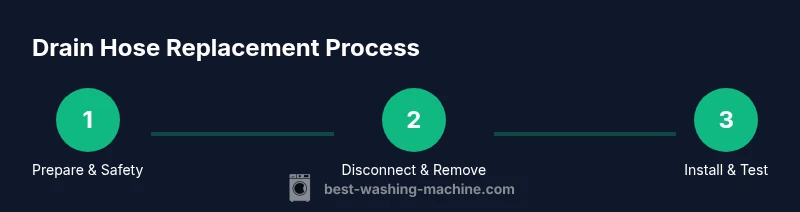
Before you touch any washer components, prioritize safety to prevent electrical hazards and accidental water damage. Always unplug the washing machine to eliminate the risk of shock during the swap. If your model is connected to a hot water valve or cold supply line, shut off both supplies before removing the hose to avoid pressure surges. Place a towel or a small bucket underneath the work area to catch any residual water and protect floors. Have a clean, dry workspace that provides enough room to maneuver behind the machine. Wear gloves to protect your hands from sharp clamps and use a flashlight if the machine is tucked into a tight space. For larger models, consider having a helper hold the hose while you detach the clamps to prevent it from snapping back. Safety and preparation reduce the chance of accidental spills and make the replacement smoother.
Removing the old drain hose
Start by locating the drain hose that exits the back of the washing machine. Loosen and remove the clamps securing the hose to the drum outlet and to the drain connection. Expect a small amount of water to spill out, so keep the towel handy. Gently twist and pull the hose away from its fittings, taking care not to damage any nearby hoses or electrical components. If the hose is stubborn, apply a little penetrating lubricant around the connection and reattempt. Do not yank, which can crack plastic fittings or bend the inlet pipe. Once free, inspect the old hose and clamps for wear, cracks, or corrosion. Note how the hose is routed, as you’ll want to replicate or improve that routing with the new hose.\n
Installing the new drain hose
Unpack the new hose and compare it to the old one to confirm length and connection size. Attach the new hose securely to the drum outlet first, then connect it to the drain or standpipe. Secure each connection with hose clamps and ensure there are no twists or kinks along the length of the hose. Gently pull on the hose after clamping to verify a secure fit. If your hose uses spring-type clamps, tighten until snug but not overly tight, then reseat the hose to eliminate any slack. If included with the hose, use the new clamps provided by the manufacturer; old clamps can corrode and fail to seal properly. Route the hose in a natural, downward path to the drain or standpipe, avoiding sharp bends that can reduce flow. Confirm the hose sits above any floor-level water and isn’t resting on a sharp edge that could wear it over time.
Testing the installation
With the hose in place, restore power to the machine and run a short wash cycle without laundry to test drainage. Observe the hose for leaks at clamps and connections, and listen for hissing sounds that may indicate air/water leaks. If you notice any drips, power down the machine again and re-tighten the clamps or reseat the hose. Check the standpipe or drain for any water pooling around the base to ensure the water is being directed away correctly. If leaks persist, remove and reseat the hose, reapply clamps, and verify that the hose diameter and fittings are compatible with your LG model. Regular checks after replacement can catch issues early and prevent water damage. The Best Washing Machine team emphasizes performing a leak test after every hose replacement to confirm a secure seal and proper drainage.
Maintenance tips and longevity tips
To extend the life of your drain hose, keep it away from hot surfaces, sharp edges, and direct exposure to sunlight, which can wear plastic over time. Avoid pinching the hose during setup or when stacking items near the washer. Periodically inspect the hose for signs of wear, such as cracks or bulges, and replace it at the first sign of damage. Use clamps that fit snugly without crushing the hose, and ensure clamp screws are not overtightened, which can deform the hose. Maintain a clean area behind the washer, free of clutter that can snag the hose, and wipe down connections after each laundry cycle to remove moisture that could promote corrosion or mold growth. Regular checks and careful installation can help keep lg washing machine drain hose replacement effective for years to come, minimizing water damage risks and downtime.
Tools & Materials
- New drain hose compatible with LG washing machines(Check model compatibility and hose diameter; ensure length matches routing path.)
- Screwdriver (Phillips) or nut driver(Used to loosen or tighten hose clamps.)
- Bucket or towels(Catch residual water and protect the floor.)
- Clamp pliers or locking pliers(Optional for tight clamp work.)
- Extra hose clamps(Have replacements if the old clamps are corroded.)
- Utility knife or scissors(Only if trimming hoses or packaging necessitates it.)
Steps
Estimated time: 60-90 minutes
- 1
Power off and prepare
Unplug the washing machine and shut off the water supply to prevent any leaks while you work. Move any objects away from the washer to create a clear workspace, and place towels or a small bucket nearby to catch drips.
Tip: Label hoses if you remove more than one line nearby to avoid confusion during reassembly. - 2
Move the washer for access
Carefully pull the machine away from the wall enough to access the back panel and solenoids. If the area is tight, ask for a helper to stabilize the appliance while you work.
Tip: Keep one hand on the machine to prevent it from tilting as you reposition. - 3
Disconnect old hose and clamps
Loosen the clamps securing the drain hose to the drum outlet and the standpipe or drain. Gently twist and pull the hose away from fittings, watching for residual water.
Tip: Take note of clamp type to match when installing the new hose. - 4
Prepare and attach the new hose
Compare the new hose with the old one to confirm length and diameter. Attach the hose to the drum outlet first, then the drain, ensuring there are no twists or kinks.
Tip: Do not force the hose into forced bends; adjust for a smooth curve. - 5
Secure connections with clamps
Place clamps over each connection and tighten firmly until the hose feels snug. If using spring clamps, crimp securely but avoid crushing the hose wall.
Tip: Check that clamps are positioned away from sharp edges and can be accessed for future maintenance. - 6
Reconnect power and test drain
Reconnect the water supply, plug in the unit, and run a short wash cycle with no laundry to verify drainage and check for leaks at all connections.
Tip: If leakage occurs, power down and reseat the hose and clamps before re-testing. - 7
Final checks and cleanup
Inspect the area for any residual water and ensure the hose routing stays clear of obstacles. Wipe down the area and place items back in their original positions.
Tip: Keep a log of when hose replacement occurred for future maintenance planning.
FAQ
Is it safe to replace the drain hose without a technician?
Yes, replacing the drain hose is a common DIY task, provided you follow safety steps: unplug the machine, shut off water, and carefully manage hose connections to avoid leaks.
Yes, you can replace the drain hose yourself if you unplug the machine and turn off the water first and follow the steps carefully.
How do I know which hose to buy for my LG model?
Check your washer’s model number and compare it to the hose packaging or manufacturer specs. Look for the correct inlet size and an appropriate length for your drain setup.
Check your model number and make sure the hose matches the inlet size and length you need.
What should I do if there’s a leak after replacement?
Power off the machine, inspect clamps and connections, reseat the hose, and replace any damaged clamps. Re-run a leak test to confirm.
If a leak appears, switch it off, re-secure the hose and clamps, and test again.
How often should I inspect or replace the drain hose?
Inspect hoses during regular maintenance, especially if you notice damp spots, cracks, or unusual odors near the washer. Replace as needed to prevent leaks.
Inspect hoses regularly, especially if you see damp spots or cracks.
Can I reuse the old clamps with a new hose?
It’s best to use the new clamps that come with a replacement hose or rated replacements for a secure seal. Reusing old clamps can lead to leaks.
It's better to use new clamps for a secure connection.
Do I need to unplug power during the entire process?
Always unplug the washer before starting and reconnect power only after the new hose is installed and tested. This reduces risk of shock or starting the machine unexpectedly.
Unplug the machine before you start and reconnect only after testing.
Watch Video
The Essentials
- Check hose compatibility before purchasing.
- Unplug and close water supply before starting.
- Secure clamps firmly but avoid over-tightening.
- Test for leaks with a short cycle before using laundry.
- Inspect hoses regularly to prevent future failures.