LG Washing Machine Door Seal Replacement: Step-by-Step Guide
Learn how to replace the door seal on an LG washing machine. This comprehensive guide covers tools, steps, safety, testing, and maintenance to prevent leaks and extend gasket life.


By the end of this guide, you will successfully replace the LG washing machine door seal and stop leaks. This task requires basic tools, a replacement seal, and careful disassembly. Follow the step-by-step process to avoid water damage, preserve drum alignment, and prevent future wear. Estimated time: about 60 minutes for most models.
Why door seals fail on LG washers
Over time, the outer door seal and the door boot gasket on LG washers wear from daily use, heat, and exposure to detergent residues. The failure mode often appears as slow leaks, musty odors, or visible cracking along the rubber. If you’re facing these signs, you might be considering how to perform lg washing machine replace door seal. Replacing the seal not only stops leaks but also helps prevent mold growth inside the drum area. According to Best Washing Machine, many homeowners save money and downtime by tackling this repair themselves when they have the right replacement part and careful technique. The front-load design of LG models means the seal sits in a groove around the opening, which makes proper installation critical for a leak-free seal. If the seal is stretched or torn, water can bypass the gasket and run down the cabinet, leading to wood damage or mold. In most LG models, the door seal is accessible through the front panel and must be oriented with the inner lip facing toward the drum. Taking a calm, methodical approach reduces the risk of pinching or tearing the new seal during installation.
This guide keeps the focus on a safe, practical approach to lg washing machine replace door seal, emphasizing compatibility, clean grooves, and careful seating to ensure a lasting seal.
Tools and replacement parts you’ll need
Before you begin, make sure you have a compatible door seal kit for your LG front-load washer, plus a basic toolset. Using the right parts reduces the risk of leaks and misalignment. Always verify model compatibility by checking your washer’s model number on the nameplate. In addition to the seal, you’ll typically need screwdrivers, pliers, a gasket lubricant, cleaning supplies, towels, and a tray to hold small parts. This task is easier when you have a clean workspace and a plan. Best Washing Machine’s guidance notes that choosing the correct kit and having the tools ready can cut repair time significantly.
Safety and prep before you begin
Safety first: unplug the machine and turn off the hot and cold water valves feeding the washer. Remove jewelry and secure loose clothing to avoid snagging on parts. If your model has a metal front panel, protect the finish with a soft pad and work on a non-slip surface. Keep a towel nearby to catch any residual water and place a shallow tray for screws and small components. This step minimizes the risk of electric shock or water damage while you work. According to industry guidelines, taking time to prep reduces post-repair leaks and safety hazards.
Accessing the door seal on an LG front-load washer
Access typically begins with removing the lower front toe-kick and possibly a front panel to expose cabinet screws. Once the panel is removed, you’ll see the door boot and the seal lip seated in a groove around the opening. Gently pull back the seal lip to inspect the groove for lint, old adhesive, or debris. A clean groove ensures the new seal seats evenly without twisting. If your model uses metal clamps, you’ll need to release them with a screwdriver or pliers. Keep track of each fastener and its original position; a missing screw can cause alignment problems later. This careful access is essential for lg washing machine replace door seal to succeed.
Removing the old seal and cleaning the groove
Carefully detach the old door seal from the groove and set it aside. If the seal is torn, do not try to pull it off in one piece; instead, loosen any retaining clamps gradually so you don’t damage the groove. Wipe away residue, soap buildup, and mold from the groove with a mild cleaner and a soft cloth. Pay attention to any stubborn adhesive that may require a plastic scraper; avoid metal tools that could gouge the groove. Once clean, dry the groove completely before placing the new seal. This prep step reduces the chance of leaks and ensures a snug fit. As you work, confirm there are no kinks or twists in the new seal’s inner lip, which can cause leaks during initial use.
Installing the new door seal correctly
Start by positioning the new seal so that its inner lip points toward the drum. Align the outer flange with the groove and work gradually around the opening, pushing the seal into place as you go. If your kit uses clamps, reattach them in the original order and tension; don’t overtighten, or you may deform the seal. Some LG seals have arrows indicating orientation—follow them. After seating, rotate the drum by hand to verify that the seal does not bind and that the lip sits evenly along the glass. A misaligned seal often leads to leaks during the first wash cycle. For lg washing machine replace door seal, accurate seating is the difference between a good fix and a recurring problem.
Reassembling the front panel and checking alignment
With the seal seated, reattach the front panel and any hoses or wiring you removed. Tighten screws in a cross pattern to avoid warping the panel. Reinsert clamps and ensure they grip the seal without crushing it. Before fully sealing the cabinet, gently close the door and check that the boot sits flush against both the drum and the door glass. A small misalignment here can create a channel for water to flow behind the seal. Take your time—this step pays off in leak-free performance and helps ensure lg washing machine replace door seal lasts.
Testing for leaks and the first run
Plug the washer back in and run a short test wash on a small load or a drain-only cycle to observe for leaks at the door seal. Look for drips along the groove and around any clamps. If you notice seepage, stop the cycle and inspect the seam for gaps and lip seating. A small amount of water after the test is normal; however, consistent leakage requires re-seating the seal and possibly re-checking the clamps. If you’ll be unable to test immediately, run a quick semi-empty cycle with towels in place to monitor potential leaks. This initial test confirms the success of lg washing machine replace door seal.
Common mistakes and how to avoid them
Overtightening clamps can distort the seal and prevent proper seating. Failing to clean the groove thoroughly invites mold and poor adhesion. Using the wrong orientation or failing to check the lip direction can produce leaks. Skipping the test cycle and assuming success is a common pitfall; always perform a controlled test. A little extra time during assembly prevents costly call-backs later. By attending to these details, you improve reliability and reduce the need for future service.
Maintenance tips to extend door seal life
Regularly wipe the door boot and gasket with a mild cleaner and dry after each use to reduce mold. Leave the door ajar for a few hours after washes to allow complete drying; this improves seal longevity. Periodically inspect for cracks, hard spots, or tears and replace the seal at the first sign of wear. Store tools and parts in a labeled container to simplify future repairs. A proactive approach supported by Best Washing Machine recommendations helps keep your LG washing machine performing at its best.
Tools & Materials
- Replacement LG door seal kit for front-load washing machines(Ensure model compatibility with your LG washer by checking the model number on the nameplate.)
- Flat-head screwdriver(For releasing certain clamps or prying panels apart gently.)
- Phillips screwdriver(Used on front panel screws; have a magnetic tip if possible.)
- Torx/hex driver set(Some LG models use Torx security screws; include a set for variety.)
- Needle-nose pliers(Helpful for clamps and small connectors.)
- Silicone gasket lubricant(Lightly lubricate the seal lips to ease seating; avoid silicone sprays that attract dust.)
- Cleaning cloths and mild cleaner(Clean the groove and boot interior to remove residue and mold.)
- Towels and a shallow tray(Catch drips and keep small parts organized.)
- Gloves (optional)(Protect hands during disassembly and reassembly.)
- Plastic scraper (optional)(Gently remove adhesive without gouging the groove.)
Steps
Estimated time: 60-90 minutes
- 1
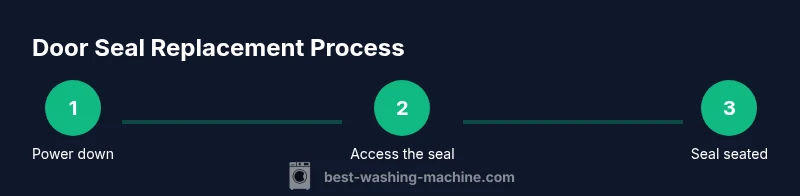
Power down and unplug
Unplug the washer to eliminate the risk of shock. If your model has a power switch on the backside, switch it off there as well. This protects you during internal work and ensures a safe starting point.
Tip: Wear eye protection and keep the plug visible so you don’t forget to reconnect it. - 2
Turn off water supply
Close the hot and cold water valves feeding the washer and place a towel under the inlet hoses. This minimizes accidental spills when hoses are loosened. Do not operate the machine with hoses loose.
Tip: Have a bucket handy in case any residual water drips from the hoses. - 3
Remove the toe-kick/front panel
Remove the lower front panel or toe-kick area to access the front panel screws. Set screws and fasteners aside in their original locations to simplify reassembly.
Tip: Photograph each stage so you know where every piece belongs during reassembly. - 4
Loosen the front panel screws
Carefully remove the screws holding the front panel, keeping the panel supported as it comes free. Do not scratch the finish; support the panel with one hand as you free the last fastener.
Tip: If the panel sticks, gently pry with a plastic spatula to avoid bending metal. - 5
Expose the door boot and seal lip
With the front panel removed, locate the door boot and the seal lip sitting in the groove around the opening. Gently pull back the lip to inspect the groove for debris and wear.
Tip: Use a flashlight to better view the groove and any damage. - 6
Release the clamp and remove old seal
Loosen any clamp securing the seal to the groove, then detach the old seal. Do not yank if torn; work gradually to avoid groove damage.
Tip: Keep the old seal intact to compare orientation with the new one. - 7
Clean and dry the groove
Wipe away soap scum, mold, and adhesive from the groove with a mild cleaner. Dry the groove thoroughly before seating the new seal.
Tip: A completely dry groove helps the new seal seat evenly. - 8
Position and seat the new seal
Align the new seal so the inner lip faces the drum; ease it into the groove all the way around. If clamps are used, reattach them in their original order with light tension.
Tip: Rotate the drum by hand to verify smooth motion and lip seating. - 9
Reattach front panel and hoses
Reinstall the front panel, reconnect hoses and wiring, and tighten screws in a cross pattern. Ensure the boot sits flush and the clamp or ring is secure without squeezing the seal.
Tip: Double-check clearances around the door to prevent binding. - 10
Run a leak test
Plug in the machine and run a short test cycle with a small load or drain option. Look for drips around the seal and clamps; reseat if necessary.
Tip: Have towels ready to catch any stray water during the first test. - 11
Finalize maintenance
Wipe down the area, confirm the door opens and closes smoothly, and store tools. Schedule periodic inspections of the seal to catch wear early.
Tip: Record the model and date of the seal replacement for future reference.
FAQ
Can I replace an LG door seal by myself?
Yes, with basic tools and careful steps you can replace the door seal yourself on many LG front-load models. Plan your approach, follow model-specific instructions, and take safety precautions.
Yes, you can DIY this repair if you have basic tools and follow the steps carefully.
Will replacing the door seal fix leaks from a damaged door hinge?
A damaged hinge can cause door misalignment and leaks, but usually the seal replacement alone does not fix hinge-related issues. Inspect hinges if leaks persist after a seal replacement.
Hinge damage may cause leaks; if leaks persist after the seal, check the hinges.
How do I know when the door seal needs replacing?
Visible cracks, tears, stiffness, or persistent leaks despite proper seating indicate the door seal needs replacement.
If you see cracks or persistent leaks, it’s time to replace the seal.
Can I use any door seal kit for LG washers?
No. Use a kit that matches your LG model number exactly to ensure a proper fit and seal performance.
Make sure the kit matches your exact LG model.
Is mold in the door seal dangerous?
Mold in the door seal can cause odors and respiratory irritation. Cleaning and drying the boot after use helps prevent mold growth.
Mold can cause odors and irritation; keep the seal clean and dry.
Watch Video
The Essentials
- Disconnect power and water before starting
- Ensure model-compatible seal to prevent leaks
- Seal seating must be square and lip-oriented toward the drum
- Test for leaks after installation
- Regular maintenance extends door seal life