How to Replace a Door Seal on an LG Washing Machine
Learn how to replace the door seal on an LG washing machine with our safe, step-by-step guide. Tools, parts, safety tips, and maintenance ideas to prevent leaks and mold for long-lasting performance.


By replacing the door seal on an LG washing machine, you stop leaks, restore efficiency, and prevent mold. This guide covers removing the front panel, detaching the old boot, installing a compatible LG seal, and resealing connections. You’ll need a compatible door-seal kit, basic hand tools, a drain pan, and towels. Follow safety steps, verify model compatibility, and test for leaks before reusing.
Why replacing the door seal matters
The door seal (also called the door boot) is the primary barrier that keeps laundry water inside the drum during cycles. On LG front-load washers, the seal sits around the opening and works with a spring-loaded retaining ring to maintain a tight seal every time you spin. Over time, heat, detergent residue, and frequent opening can cause the seal to crack, shrink, or deform. A worn seal is a leading cause of persistent leaks, mold growth, and dampness around the base of the washer. Replacing the seal restores the machine’s leak protection, reduces moisture, and helps your unit run at peak efficiency. If you notice water pooling around the door, damp laundry, or a musty smell after cycles, inspect the seal and plan replacement before the issue worsens. The replacement is often straightforward for common LG models, but compatibility matters and using the wrong kit can worsen leaks.
Signs the door seal is failing
- Water leaks around the door during or after cycles or when the drum spins
- Visible cracks, tears, or stiff rubber in the fold
- Mold, mildew, or musty odor around the gasket area
- Excess door movement or gaps that allow water to escape
- Puddles underneath the washer after a cycle
- Soap scum and residue building up in the folds of the boot
If you notice several of these symptoms, plan a seal replacement rather than waiting for a bigger failure. Addressing minor wear early can prevent secondary damage to the drum and nearby components.
Compatibility and selecting the right seal for your LG model
LG door seals are model-specific. Before ordering a kit, locate your washer’s model number (often on a label behind the bottom front panel or inside the door opening). Confirm whether your unit is front-load or top-load, as seals differ in size and fit. When shopping for a kit, ensure it includes the seal, clamps or retaining ring, and a boot ring if required. If the model is older, you may need to source a genuine LG replacement or a compatible aftermarket kit. Always verify that the kit lists your exact model number or family code to avoid fitment issues. Correct alignment is essential; an ill-fitted seal can leak despite a perfect installation.
Preparing your workspace and safety steps
Begin by unplugging the washer and turning off both hot and cold water supply valves. Have a drain pan or towels ready to catch residual water, and keep a bucket handy for collecting leaks during disassembly. Work in a dry, well-lit area with plenty of space. Wear gloves to protect your hands from sharp metal clamps and hot surfaces. Consult your model’s manual for any model-specific cautions and never force components if they resist assembly.
What you’ll need: tools and parts
- Replacement LG door seal kit (compatibility confirmed for your model)
- Phillips and flat-head screwdrivers
- Small pry tool or plastic spatula for gentle prying
- Slip-joint pliers or internal snap-ring pliers (if used)
- Drain pan or towels to catch water
- Clean rag or sponge for wiping grease or detergent residue
- Gloves for hand protection
- Optional: camera or smartphone to document disassembly for reassembly
Having these items on hand helps keep the process smooth and reduces the risk of misplacing parts during reassembly.
Safety considerations and planning the repair
This repair involves handling electrical components near water and disturbing the drum boot. Always unplug the machine and shut off water supply before starting. Do not bypass safety interlocks or operate the unit while parts are loose. If you detect gas or scorch marks, stop and seek professional assistance. Use a drain pan to collect water and keep the work area dry to minimize slip hazards. If your model uses high-torque clamps, use the appropriate tool to avoid damaging the boot or metal ring.
Step-by-step overview
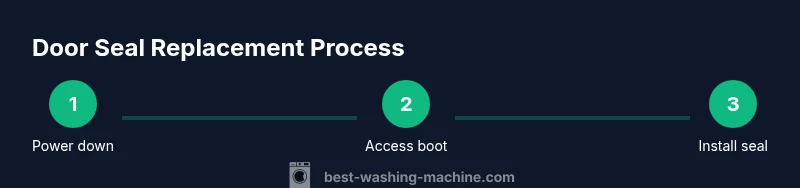
This section provides a concise roadmap; the detailed actions are captured in the dedicated STEP-BY-STEP block below. You’ll verify model compatibility, prepare the workspace, safely remove the old boot, install the new seal, and perform leak checks after reassembly. Following the steps carefully minimizes the risk of leaks and ensures a durable repair. Always refer to the kit’s instructions for any model-specific quirks and torque recommendations.
Safety and handling leaks during maintenance
Even with a new seal, improper seating or a loose clamp can cause leaks. After installation, perform a slow, controlled test: run a short cycle with the drum empty and towels in place to observe for drips. If you see any leakage, power down and recheck the seal seating and clamps. Keep metal edges and clamp positions known to avoid future damage during routine loads.
Authority sources and further reading
To support this repair, consider consulting reputable sources on appliance safety and care. The following provide general guidelines on safe electrical repair practices and household appliance maintenance. These references offer broader context for responsible DIY repair and leak prevention.
How to maintain the door seal for longevity
After replacement, wipe the seal dry after each cycle to prevent mold buildup in the folds. Use a mild detergent solution for routine cleaning and avoid harsh solvents that can degrade rubber. Do smaller loads to reduce friction on the boot, and periodically inspect the seal for signs of wear or cracking. Regular checks help catch issues before they become leaks.
Tools & Materials
- Replacement LG door seal kit(Ensure compatibility with your LG model number and front-load/top-load type; include clamps or boot ring as needed)
- Phillips screwdriver(Medium-size Phillips head for securing screws)
- Flat-head screwdriver or plastic pry tool(Gently release trim panels without damaging plastic)
- Pliers (slip-joint)(Use for clamps and clips)
- Drain pan or shallow tray(Catches residual water during removal)
- Towels or rags(Absorb moisture and protect floors)
- Gloves(Protect hands from sharp edges and hot surfaces)
- Camera or smartphone(Take photos during disassembly to aid reassembly)
Steps
Estimated time: 90-120 minutes
- 1
Power down and prep safety
Unplug the washer and shut off the hot and cold water valves. Move the machine away from the wall and lay towels to catch any stray water. Keep a drain pan handy.
Tip: Take a quick photo of the panel layout before removing screws to help reassembly. - 2
Gain access to the door boot
Remove the lower front panel or access panel if required by your model. Loosen metal clamps or retaining rings holding the boot in place and gently detach the boot from the groove.
Tip: Work slowly to avoid tearing the boot; use a plastic pry tool to minimize damage. - 3
Remove the old seal
Peel the old seal away from the drum groove and the outer boot. Inspect the groove for corrosion or residue and clean thoroughly with a rag.
Tip: Check for a separate retaining spring or clamp and note its position for reassembly. - 4
Clean and inspect the groove
Wipe the groove clean of detergent residue and dry it completely. Look for cracks, pinholes, or damage that could compromise the new seal.
Tip: If the groove is damaged, consider replacing the drum or consulting a professional. - 5
Install the new seal into the groove
Start by aligning the seal’s inner lip with the drum groove, inserting evenly all the way around. Rotate the boot so the outer edge seats correctly against the front panel.
Tip: Ensure the seal sits evenly with no twists or folds. - 6
Secure the seal with clamps or ring
Reattach the retaining ring or clamps to hold the seal in place. Tighten gradually around the circumference and verify there’s no movement.
Tip: Do not overtighten; overtightening can damage the seal or drum. - 7
Reconnect hoses and reassemble
Reconnect any hoses or water lines, reseal trim panels, and confirm all screws are snug. Replace any panels you removed in reverse order of disassembly.
Tip: Double-check that hoses aren’t kinked and that the drum rotates freely. - 8
Test for leaks and finalize
Plug in the washer and run a short, empty cycle with towels in the drum. Watch the door seal area for leaks and re-tighten clamps if needed.
Tip: If leaks persist, recheck seal seating and consider reseating the lip on the groove.
FAQ
Can I replace the LG door seal myself?
Yes, with the right kit and careful steps you can replace the door seal yourself. Follow a model-specific guide and ensure you disconnect power and water first to stay safe.
Yes, you can replace it yourself if you follow the model-specific guide and safety steps.
What tools do I need to replace the door seal on LG washers?
Common tools include screwdrivers, pliers, a pry tool, a drain pan, and of course the replacement seal kit. Always refer to your kit’s instructions for any model-specific tools.
You’ll typically need screwdrivers, pliers, a pry tool, and the replacement seal kit.
How do I know if the seal is the problem or a drain hose?
Leaking during cycles near the door usually implicates the seal, while leaks near hoses or the back of the washer suggest a hose issue. Inspect both areas and test after replacement.
Leaks at the door usually mean the seal; leaks from hoses point to hoses. Inspect both, then test.
How long does it take to replace the door seal?
Most DIY replacements take about 60 to 120 minutes depending on model access and your familiarity with appliance repair.
Most replacements take about one to two hours.
Is it safe to run a washing machine after replacing the seal?
Yes, after installing the new seal, run a short test cycle with towels to check for leaks. If leaks appear, power off and recheck seating and clamps.
Yes, but always test carefully and recheck if leaks show up.
Where can I buy a replacement LG door seal kit?
Look for LG-approved replacement kits from reputable retailers. Confirm model compatibility before purchasing to ensure a proper fit.
Buy a model-compatible LG door seal kit from a reputable retailer.
Watch Video
The Essentials
- Verify model compatibility before buying a seal kit
- Follow safety steps: unplug, drain, and dry work area
- Ensure proper seal seating and clamp security during installation
- Test with a controlled leak check after installation