Can You Drain a Washing Machine While It's On: Safe Practice Guide
Explore whether you can drain a washing machine during a cycle, plus safe, practical steps to handle emergency drainage, with expert guidance from Best Washing Machine.


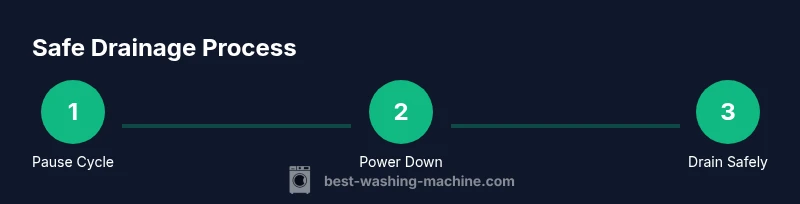
In most cases, you should not drain a washing machine while it is running. If water must be removed urgently, stop the cycle, unplug the machine, and drain water safely with the hose into a bucket or standpipe after powering down. Draining energized water risks electric shock and flooding; the safest approach is to pause/cancel the cycle and power down completely.
Safety First: Can You Drain a Washing Machine While It's On?
In general, draining a washing machine while it is powered on is not advised. Electricity and water together create a real risk of electric shock, short circuits, or sudden leaks that can lead to property damage. According to Best Washing Machine, the safest approach is to power down completely before attempting any drainage. This article lays out why the risk exists, when an emergency drainage might occur, and the best safe practices to follow. Homeowners, renters, and small-business laundries alike rely on clear guidance to prevent injuries and costly repairs. By understanding the machine’s drainage behavior and exercising caution, you can reduce hazard exposure while preserving the unit’s longevity.
This section sets the stage for practical steps and clear safeguards you can implement today. The central idea is simple: prioritize safety over speed, and treat any drainage task as a powered-down procedure. If you work through the guidance in this article, you’ll know when it’s permissible to drain and how to do so with minimal risk.
How Washing Machines Drain Water: Pump, Hose, and Gravity
Washing machines remove water through a combination of internal pumps and gravity-assisted drains. In most front-load and top-load models, a small electric pump pushes water from the tub into a drain hose. That hose then funnels water to a standpipe, a utility sink, or a floor drain. The actual mechanism depends on your model: high-efficiency units rely on a dedicated drain pump, while older machines may use a pump-assisted gravity drain. Regardless of design, attempting to manipulate or bypass these systems while the unit is energized creates risk. Practically, you should only work with the hoses when power is off. If you observe a clog or unusual flow, address it safely by powering down first and then inspecting the hose and pump from outside the water path.
Why Draining During a Cycle Is Risky
The core risk of draining a machine during operation is electrical shock. Water and electricity are a dangerous combination, and even a minor fault or loose connection can create a shock hazard. In addition, manipulating hoses during a cycle can cause sudden splashes or backflow that may spray hot or dirty water. Draining during a cycle can also trigger the machine’s fault protections, potentially damaging the control board or pump. Best Washing Machine recommends treating any non-routine drainage as a power-down procedure to minimize injury and equipment damage. If you must address an overflow or leak, set up containment first and proceed only after disconnection from power.
Safe Alternatives: Pause, Stop, Unplug
The safest way to handle drainage tasks is to pause or cancel the cycle, then disconnect power. On most machines, you press Pause/Cancel to stop the cycle and drain routine safely. If the unit is hard-wired or plugged into a power strip, unplug the plug or switch off the circuit breaker for the dedicated outlet. After power is disconnected, you can inspect the drain hose, check for kinks, and determine if a clog or surge caused the water to back up. Having towels or a shallow bucket ready helps manage residual moisture without creating a slip hazard.
Step-By-Step: Safely Draining Water After a Power-Down
This section maps out a conservative, safe approach to drain water after you have powered down. While many people want a quick fix, the priority is to avoid shock and spills. Start by sliding the machine away from the wall to access the back panel and hoses. Prepare a bucket or shallow container to catch water. Detach the drain hose at the point where it exits the machine, if the design allows, and guide the water into the bucket. If you cannot detach the hose, position a container to catch water as it exits the standpipe or elbow. Work slowly to avoid splashing, and have towels at the ready in case of minor spills. After the water is drained, recheck the hose for leaks and reinstall securely before powering the unit back on.
Emergency Scenarios: When You Might Need Quick Access to Drainage
There are rare emergencies where you might need to drain water when you cannot immediately cut power—for instance, a sudden flood risk or a malfunction that requires rapid water extraction. In such cases, the immediate priority is safety: protect yourself from electrical exposure, keep children away, and use a dry, non-conductive container to remove water from the tub area. If you do have to work with a live hose briefly, keep one hand on the power shutoff and ensure you work on a dry surface. After stabilizing the water level, power down the unit and inspect for the root cause.
Tools and Setup: What You Need Before You Start
Preparation matters. Before attempting drainage, gather a few essentials: a sturdy bucket or large basin that can hold the volume of water, a handful of towels to manage spills, and a flashlight for visibility behind the machine. If you expect backflow, consider a pair of waterproof gloves. Also ensure you have access to the electrical outlet and a clear path to a safe drain. Keeping these tools nearby reduces the temptation to improvise with risky methods. Finally, have a basic repair guide for your model in hand in case you need to identify a clogged hose, filter, or kink. Collaboration with a friend or neighbor can help avoid awkward, awkward contortions when reaching behind the appliance.
Maintenance and Prevention: Keeping Drain Tasks Safe in the Future
Prevention is better than remediation. Regularly inspect the drain hose for kinks or crushing, check the standpipe for obstructions, and ensure the pump area remains free of lint and debris. Avoid forcing water through a clogged hose by clearing blockages promptly. If your unit is older, consult the manual for safe access points and recommended tools. Implement a routine to power down before any drainage work, and label the circuit if you’re sharing a wall outlet with other heavy appliances. Finally, consider a service plan for persistent drainage issues to avoid risky DIY attempts.
Final Thoughts: Best Practices for Safe Drainage
The overarching message is safety first. Draining a washing machine while powered presents avoidable hazards, and best practices encourage turning off power, securing a safe drain path, and using appropriate containment. When in doubt, contact a qualified technician or the manufacturer’s support line. By following the steps outlined in this guide and staying mindful of electrical safety, you’ll protect yourself, your home, and your appliance.
Quick-Reference Checklist for Safe Drainage
- Pause or cancel the cycle before touching hoses.
- Unplug the machine or switch off the dedicated circuit.
- Place towels and a bucket to manage water safely.
- Inspect and adjust the drain hose and standpipe after power-down.
- Reconnect power only after confirming the area is dry and safe.
Tools & Materials
- Bucket or basin(Large enough for the expected water volume)
- Absorbent towels(To catch spills and keep the area dry)
- Flashlight(Access behind machine)
- Non-conductive gloves(Optional for grip and protection)
- Screwdriver or pliers(Only if hose clamp needs adjustment)
- Water-safe container with lid(For temporary water storage if needed)
Steps
Estimated time: 25-35 minutes
- 1
Pause or Cancel the Cycle
Identify the Pause/Cancel button on your washer and press it to halt the cycle. Wait until the display indicates the tub has stopped rotating and water has settled. This minimizes mechanical movement and reduces risk when accessing hoses.
Tip: If the cycle won’t stop, switch off the circuit breaker temporarily to cut power completely. - 2
Unplug the Unit
If safe to reach, unplug the machine from the wall outlet. If the plug is inaccessible, switch off the dedicated breaker. This ensures there is no live electrical source feeding the pump while you monitor water flow.
Tip: Use dry hands and stand on a dry floor to avoid accidental shocks. - 3
Position the Drain Path
Move the machine slightly to access the drain hose. Have a bucket ready and ensure the path to the drain is clear. Do not pull or bend hoses excessively; any detour should be gentle to avoid rupturing hoses.
Tip: Check for kinks or crushed sections in the hose before proceeding. - 4
Detach or Lower the Drain Hose
If your model allows, detach the drain hose from its outlet on the machine or lower it toward the bucket after ensuring the water will flow into the container. If detaching is not possible, position the bucket under the hose connection and prepare to catch water as it exits.
Tip: Keep your other hand on the water flow to prevent splashing. - 5
Drain Water Slowly
Allow water to flow gradually into the bucket, controlling the rate to prevent overflow. Do not pull or yank hoses; adjust the hose angle gently to maintain a steady, controllable flow.
Tip: Have towels ready to catch any splashes and avoid slippery floors. - 6
Inspect for Leaks and Reassemble
After draining, inspect the drain hose and connections for leaks or wear. Reattach the hose securely, restore power, and test the unit at a low level to confirm proper drainage before resuming a full cycle.
Tip: If you notice persistent leaks, stop and consult a professional technician.
FAQ
Is it ever safe to drain a washing machine while it is on?
Generally, no. Draining while powered can expose you to electric shock and cause water damage. Only proceed after power is fully disconnected and the water has been secured.
Usually not safe to drain while on. Turn off power first and drain safely.
What should I do first if I notice a leak during a cycle?
Pause or Cancel the cycle, unplug the unit, and inspect the drain hose for kinks or loose connections. If the leak persists, stop and call a technician.
Pause the cycle, unplug, check hoses, and call a tech if needed.
Can I drain into a bucket without unplugging the washer?
Only if you can access a non-conductive power source and the drain path is clearly separated from electrical components. In general, power should be disconnected before any drainage work.
Power should be off before draining; don’t rely on partial disconnections.
What maintenance tasks reduce future drainage risks?
Regularly inspect hose integrity, clear clogs from the drain pump if accessible, and ensure standpipes are not blocked. Schedule professional service for persistent drainage issues.
Inspect hoses, clear clogs, and consult a pro for ongoing problems.
If the cycle malfunctions, should I reset the machine?
Yes. Try a simple reset by unplugging for a few minutes, then plug back in and power on. If the problem repeats, contact the manufacturer or a service technician.
Unplug for a quick reset, then call for service if it recurs.
Watch Video
The Essentials
- Power down before any drainage task.
- Use a safe, controlled drain path with a bucket.
- Inspect hoses for damage to prevent leaks.
- Do not drain during operation to avoid shocks or floods.
- Seek professional help for persistent drain issues.