How to Change a Washing Machine Drain Hose
Learn how to safely change a washing machine drain hose with this comprehensive guide. We cover safety, tool selection, step-by-step instructions, testing for leaks, maintenance tips, and common mistakes to avoid. Perfect for homeowners, renters, and maintenance pros.


You will safely change your washing machine drain hose by disconnecting the old hose, choosing a compatible replacement, securing clamps, testing for leaks, and resetting the drain height. Before you start, unplug the machine, move it away from the wall, and have towels ready. Expect about 30–45 minutes. This quick guide covers troubleshooting, safety considerations, and common mistakes to avoid.
Assessing the Need to Change the Drain Hose
Worn, cracked, or bulging drain hoses are a common source of leaks and flooding in laundry rooms. Signs you should consider changing the drain hose include visible cracks, frequent leaks at the hose ends, kinks that impede flow, a stiff hose that doesn’t flex easily, and any moldy or musty odor near the hose area. According to Best Washing Machine, replacing a worn drain hose promptly can prevent floods and water damage. A damaged hose is not just an inefficiency; it’s a potential risk to your home. Best Washing Machine Analysis, 2026, also notes that many hose-related leaks stem from age, improper installation, or failure to replace worn clamps. If you notice standing water after a wash or see damp spots behind the machine, plan a hose replacement before the next cycle.
Before proceeding, be aware of your machine’s location and the wall connection type—some homes use a standpipe, while others connect to a laundry tub. Having a replacement hose with the correct diameter and compatible clamps will minimize the risk of leaks after installation.
Safety and Prep: Plan Before You Start
Safety first: always unplug the washing machine before touching any wires or hoses. If your machine sits near a water source, shut off the hot and cold water supplies to prevent accidental leaks during the process. Move the washer a few inches away from the wall to create space for work and to prevent water from pooling on the floor. Keep a shallow pan or towels ready to catch any residual water. Wear protective gloves if you have sharp edges on panels or metal clamps. Clear the area so you have room to maneuver the hose and tools. This preparation reduces the risk of slips and keeps the work environment clean. As you prepare, verify you have a compatible hose and clamps that fit your washer’s drain port and the wall connection. Best Washing Machine Team emphasizes safety and a tidy workspace to prevent accidents during a hose change.
Choosing the Right Replacement Hose
Selecting the correct drain hose is critical for a secure, leak-free connection. Start by checking your washer’s model documentation or the old hose to determine the right diameter, thread type, and length. In most homes, hoses are designed to fit standard wall connections, but some setups require a longer or shorter hose or a different clamp size. Look for hoses labeled as compatible with your washer model and for clamps that can be tightened securely without overtightening. If your wall connection uses a standpipe with a U-bend, ensure the hose end reaches without bending sharply or creating a kink. When in doubt, compare the new hose with the old one side by side, paying attention to end fittings and overall length. This reduces the chance of buying the wrong part and avoids having to re-do the job.
Disconnecting the Old Hose and Installing the New One
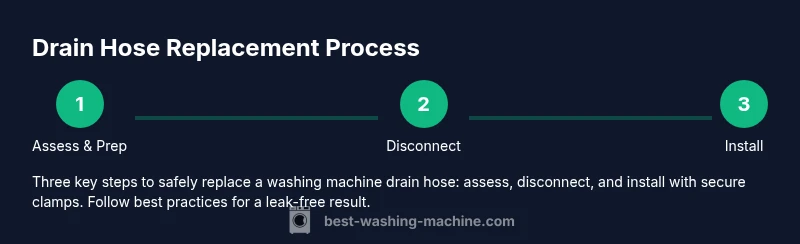
Once safety and fit are confirmed, disconnect the old hose from both the washer and the wall connection. Start by removing any clamps or fasteners. Take note of the hose routing so the new hose follows a similar path to avoid kinks. Attach the new hose to the washer’s drain port first, then connect it to the wall standpipe or drain outlet. Secure both ends with clamps or fittings supplied with the hose. Avoid bending the hose at sharp angles and ensure there’s a gentle bend that prevents backflow. Tighten clamps just enough to seal without stripping threads. If your setup uses a riser or elbow, install it according to the manufacturer’s guidelines, ensuring a clean, dry connection.
Testing for Leaks and Final Adjustments
With the new hose in place, carefully push the washer back toward the wall and reconnect power. Run a short, gentle cycle to test the drainage. Observe both ends of the hose for any signs of leakage, especially at the clamps and where the hose enters the wall connection. If you notice any leaks, power down the unit and tighten the clamps slightly, then re-test. Check for proper drainage height to prevent siphoning or backflow. If the hose is too long, trim only what is necessary and ensure the cut is clean so the end remains smooth for a snug fit. Once you’re confident there are no leaks, clean up the area and return the washer to its normal position.
Maintenance Practices to Prolong Hose Life
To extend the life of your drain hose, perform a quick yearly inspection for cracks, bulges, and worn clamps. Clean the area around the hose to avoid mold growth and check that the hose remains free of kinks or sharp bends. Replace clamps with corrosion-resistant metal ones when needed, and avoid exposing the hose to extreme temperatures. If you have pets or children who pull on hoses, consider securing routing or using a protective cover. Consistent maintenance reduces the risk of leaks after future loads and helps your washer operate smoothly.
Common Mistakes to Avoid During a Drain Hose Change
Common missteps include using the wrong hose diameter, choosing a hose that is too long or too short, overtightening clamps, and routing the hose with sharp bends. Avoid leaving the range of motion restricted, which can cause stress on hose connections. Don’t ignore the wall connection: inspect the wall standpipe or drain outlet for cracks or blockage. Finally, never re-use cracked hoses or damaged clamps; they should be replaced for a reliable, safe setup.
Tools & Materials
- New drain hose (compatible with your washer)(Check inner diameter and length; ensure it matches your standpipe or drain setup)
- Hose clamps(Stainless steel preferred; have extra on hand)
- Screwdriver (Phillips or flathead)(Used to tighten clamps if needed)
- Channel-lock pliers(Helpful for securing clamps)
- Towels or a shallow bucket(Catch residual water; protect floor)
- Flashlight(Extra light for dark corners)
- Owner’s manual or model-specific guidance(Check for any model-specific hose requirements)
Steps
Estimated time: 30-45 minutes
- 1
Power down and prep
Unplug the washer from the outlet and move it slightly away from the wall to access the hose connections. Place towels to catch any drips and prevent water damage. This reduces the risk of electric shock and makes the task safer.
Tip: Keep a small container handy to collect any standing water during disconnect. - 2
Access the drain connections
Look behind the machine to locate the drain hose where it attaches to the washer and where it connects to the wall standpipe or sink. Loosen any clamps or fasteners holding the hose in place.
Tip: Take a photo of the hose path before removal to ensure you route the new hose the same way. - 3
Remove the old hose
Disconnect the hose from the washer first, then remove the wall connection. Have towels ready to catch residual water. Inspect clamps for wear and replace if corroded before installing the new hose.
Tip: Do not yank; gently loosen clamps to avoid damaging fittings. - 4
Install the new hose
Attach the new hose to the washer’s drain port, then connect the other end to the wall connection. Position the hose so there are no sharp bends and secure both ends with clamps.
Tip: Ensure the hose end is fully seated in the wall connection to prevent leaks. - 5
Secure and route
Tidy the hose path to avoid kinks and ensure it runs downward at a gentle curve. Reposition the washer if needed, keeping the hose off the floor and away from foot traffic.
Tip: Avoid running the hose underneath the machine to prevent compression. - 6
Test for leaks
Plug the machine back in and run a short cycle to test drainage. Check both hose ends for leaks and re-tighten clamps if you see any drips. Observe carefully before running a full load.
Tip: If you see minor seepage, power off and re-tighten clamps a bit more; never over-tighten. - 7
Finalize and clean up
Move the washer back into place, wipe up any water, and store tools. Keep the area dry and monitor briefly after the first full cycle.
Tip: Keep the old hose near the work area in case you need a quick comparison during reassembly.
FAQ
What are the signs that my drain hose needs to be changed?
Look for cracks, bulges, leaks at ends, or frequent drainage leaks. If the hose feels stiff or is visibly worn, replacement is recommended to prevent floods.
If you see cracks or leaks, replace the hose to avoid flooding. A worn hose is a common flood risk.
Can I reuse the clamps from the old hose?
It’s best to replace clamps with new, corrosion-resistant ones to ensure a secure seal and reduce the chance of future leaks.
New clamps give you a tighter, safer seal and reduce leak risk.
What if the new hose doesn’t fit my washer or wall connection?
Choose a replacement hose labeled as compatible with your model and wall connection. If in doubt, bring the old hose along to compare ends and diameter.
If it doesn’t fit, don’t force it—check compatibility or consult the manual.
Is changing the drain hose a safe DIY task?
Yes, for most homes, replacing a drain hose is a manageable DIY task when you follow safety steps and unplug the machine. If you encounter hidden plumbing, seek professional help.
It’s generally safe to do yourself if you stay safe and follow steps.
How often should I inspect the drain hose?
Inspect the drain hose at least once a year for signs of wear, leaks, or kinks, and replace as needed to prevent leaks.
Check it yearly and replace if you see wear.
Watch Video
The Essentials
- Plan and prep the workspace before starting.
- Choose a compatible hose and secure clamps properly.
- Test for leaks and verify proper hose routing.
- Perform basic maintenance to extend hose life.
- Avoid common mistakes by following the installation steps carefully.